
Plants
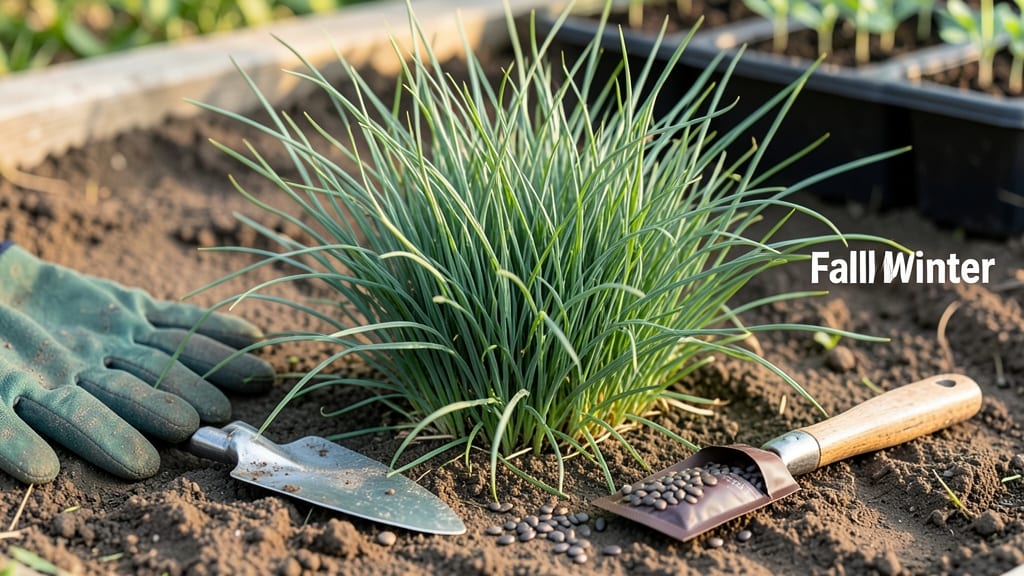
Planting rye grass 🌾 in Texas isn’t just about dropping seeds—it’s about timing them perfectly to outsmart the heat, humidity, and unpredictable freezes. The difference between a thriving cover crop and a failed lawn comes down to knowing when to act, and the window is narrower than you might think.
Most Texas gardeners assume spring is the only time to plant, but fall is actually the game-changer for fast germination and frost resistance.
Whether you’re aiming for erosion control or a lush winter lawn, getting the timing right means your rye grass will establish roots before the first cold snap hits.
In this guide, I’ll break down the ideal months for planting in your specific Texas zone, plus how to prep your soil for maximum success. Skip the guesswork and learn exactly when to plant for a head start on next year’s greenest growth.
Ready to transform your yard or pasture? Let’s dive into the science behind Texas-friendly planting schedules that actually work.
Best planting months for rye grass in Texas: climate zones explained
Texas spans multiple USDA hardiness zones (8a–10b), which means planting windows vary drastically from North to South. In North Texas (zones 8a–8b), where winters are colder, aim for late August through mid-October to give seeds time to germinate before the first frost—typically around December 15.
Meanwhile, South Texas (zones 9a–10b) gardeners can plant as late as November due to milder winters, with frost rarely hitting before January 15.
Rye grass thrives in soil temperatures between 60–75°F, making early fall the sweet spot. If you plant too early (before August), the heat can cause premature bolting—when the grass flowers and dies back.
Conversely, planting after October risks weak roots before winter freezes. Central Texas (zones 8a–9a) falls in between, with September being the goldilocks month for most regions.
Here’s how to match your Texas region to the perfect planting window:
For spring planting, Texas gardeners can also sow rye grass in February–March to take advantage of cooler temperatures before summer heat sets in. However, spring plantings are riskier because summer droughts can stress young seedlings.
If you choose this route, irrigate consistently and consider shade cloth during peak afternoon sun.
One common misconception is that rye grass can be planted year-round in Texas. While it’s true that rye grass is cold-hardy, planting in summer (April–July) leads to poor germination and bolting. The grass needs cool soil and air temperatures to establish roots.
Even in South Texas, where winters are mild, late fall plantings (November) should only be attempted in microclimates with minimal frost risk.
Pro tip: Use a soil thermometer to confirm temperatures are below 80°F before planting. If your soil is still too warm, wait 2–3 weeks—patience now means thicker, frost-resistant coverage later. For lawns or erosion control, aim for 60–70°F soil; for cover crops, 55–65°F is ideal.
If you’re unsure about your local frost dates, check the Texas A&M AgriLife Extension or use USDA Plant Hardiness Zone Map. These resources provide hyper-localized data that can shift your planting window by 1–2 weeks depending on elevation or urban heat islands.
Remember, rye grass isn’t just for lawns—it’s a powerhouse for erosion control and winter forage. In North Texas, it can survive down to 0°F with proper establishment, while South Texas varieties may only need protection from light freezes (25–30°F).
Planting at the right time ensures your rye grass outperforms weeds and survives Texas’ unpredictable winters.
Best planting months for rye grass in Texas: climate zones explained
Texas spans multiple USDA zones (8a–10b), meaning North Texas (like Dallas) and South Texas (like San Antonio) have wildly different frost timelines. For rye grass germination, soil temps must stay between 60–75°F—too hot or cold, and seeds fail to sprout.
The ideal window shifts north-to-south: August–October in cooler zones, September–November in warmer ones.
Rye grass thrives as a winter cover crop or lawn filler, but its success hinges on planting 4–6 weeks before first frost. In North Texas, that’s mid-October; in South Texas, it stretches to early December.
Spring planting (for overseeding) works too, but aim for February–March—after soil warms but before summer’s brutal heat.
| Texas Region | USDA Zone | First Frost | Ideal Planting Window | Soil Temp Goal |
|---|---|---|---|---|
| North Texas (Dallas, Fort Worth) | 8a–8b | Mid-December | August 15–October 15 | 60–70°F |
| Central Texas (Austin, Waco) | 8a–9a | Late November | September 1–November 1 | 65–75°F |
| South Texas (San Antonio, Corpus Christi) | 9a–10b | January 15 | September 15–November 15 | 70–75°F |
🌾 Pro Tip: Use a soil thermometer to confirm temps—seeds won’t germinate below 55°F.
Missed the fall window? Spring planting is your backup, but act fast. February–March gives rye grass 6–8 weeks to establish roots before summer’s heat stresses it. In South Texas, where winters are milder, you can even plant as late as early April—just water deeply to combat heat stress.
For eroded slopes or bare lawn patches, prioritize fall planting. Rye grass grows aggressively in cool weather, outcompeting weeds and preventing soil erosion. Spring plantings work best for overseeding warm-season grasses like Bermuda or St. Augustine, filling gaps until summer grasses wake up.
Watch for chinch bugs (Texas’s #1 rye grass pest) after planting. These tiny insects thrive in dry soil—keep your new lawn consistently moist for the first 3 weeks to deter them. A light pre-emergent in early fall also helps.
Remember: Rye grass bolts (goes to seed) when days lengthen in spring. If you’re using it as a cover crop, time planting to mow or till it down before it flowers—usually by late April in most of Texas.