
Plants
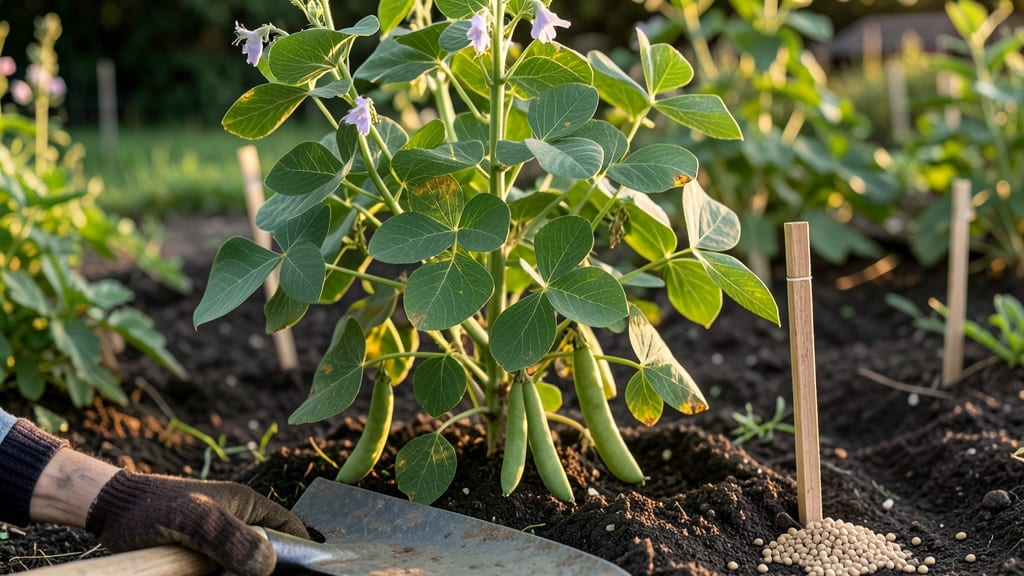
Planting soybeans in Alabama at the wrong time can mean the difference between a thriving crop and a lost investment. With USDA zones 7b-8a offering a long growing season, Alabama gardeners have a prime opportunity—but only if they time it right. Miss the window, and you risk frost damage, pest outbreaks, or poor germination, all of which can cut your yield by nearly half.
Most Alabama farmers swear by the April-June window for spring planting, when soil temperatures consistently hit 60°F+ and the last frost has passed (usually by mid-March). But what if you're considering fall planting for double-cropping?
The trade-offs between early and late planting can be confusing, especially when soil moisture and pest pressure come into play.
In this guide, I’ll break down the exact planting dates that work best for your region—whether you’re in North Alabama’s cooler microclimates or South Alabama’s warmer zones.
You’ll also discover how to adjust for your specific soil type, variety, and even weather forecasts to maximize your harvest from August through October.
Ready to grow soybeans like a pro? Let’s dive into the science-backed strategies that Alabama’s top farmers use to boost yields and avoid common mistakes—so you can enjoy a bountiful harvest without the guesswork.
Optimal Alabama soybean planting dates: spring vs fall breakdown by region
Alabama’s diverse climate means soybean planting dates vary dramatically from North Alabama’s cooler hills to South Alabama’s subtropical lowlands. For backyard growers and farmers alike, timing is critical to avoid frost damage or summer heat stress.
Let’s break down the best windows for each region, starting with the 50°F soil temperature threshold soybeans need to germinate.
In North Alabama (USDA Zones 7b), where last frosts linger until mid-April, aim for April 15–May 15 planting. This gives plants enough time to mature before first frosts in November. Central Alabama (Zone 8a) gardeners have more flexibility, with ideal dates spanning April 1–June 1.
Meanwhile, South Alabama’s warmer climate allows for extended windows, including late-spring and even fall plantings.
Here’s a quick comparison of planting windows by region, including frost risk and soil temperature considerations:
| Region | Last Frost Date | Optimal Planting Window | Soil Temp Threshold | Frost Risk After Planting |
|---|---|---|---|---|
| North Alabama | Mid-April | April 15–May 15 | 50°F+ | High (late frosts) |
| Central Alabama | Early April | April 1–June 1 | 50°F+ | Moderate |
| South Alabama | Mid-March | March 15–June 15 | 50°F+ | Low |
| Fall Planting (All Regions) | N/A | August–September | 60°F+ | High (winterkill risk) |
For spring planting, always wait until soil temperatures consistently stay above 50°F—use a soil thermometer to check. North Alabama growers should prioritize early-maturing varieties (MG IV) to avoid early November frosts.
Meanwhile, South Alabama’s longer season allows for later plantings, even into early July, with MG V–VII varieties thriving.
One emerging trend in Alabama is fall-planted soybeans, particularly in double-crop systems following wheat. This approach helps escape summer pests like thrips and weed pressure, but it requires careful planning.
Fall plantings should occur between August and early September, with varieties chosen for cold tolerance. However, winterkill remains a risk, so only attempt this in South Alabama’s warmer microclimates.
Regardless of your region, always monitor Alabama Cooperative Extension’s frost forecasts and adjust planting dates if unseasonal cold snaps threaten.
For example, the 2022 late-March freeze caught many growers off guard—so stay flexible and be ready to cover young plants if frost is predicted. Pro tip: Use row covers or black plastic mulch to warm soil faster in cooler regions.
If you’re planting in containers or small gardens, start seeds indoors 4–6 weeks before your region’s last frost date. Transplant seedlings outdoors once soil warms to 60°F and nighttime temperatures stay above 55°F. This gives container-grown soybeans a head start, especially in North Alabama’s shorter season.
For commercial growers, consider staggered plantings to extend harvest windows. Plant 20% of your crop early (April) and 80% later (May–June) to spread out labor and reduce market gluts.
This strategy also helps manage disease pressure, as staggered maturity reduces the risk of white mold or root rot spreading uniformly across fields.
Finally, don’t overlook soil preparation. Alabama’s clay-heavy soils benefit from gypsum amendments or compost incorporation before planting. Aim for a pH of 6.0–7.0 and ensure drainage is adequate—soybeans hate soggy roots. Test your soil in early spring and adjust as needed to avoid nutrient deficiencies that stall growth.
With these regional guidelines, you’ll maximize your soybean yield in Alabama while minimizing risks. Whether you’re a backyard gardener or a large-scale farmer, timing is everything
5 Critical factors that determine your exact planting timeline
Timing your soybean planting isn’t just about checking a calendar—it’s about balancing soil conditions, pest risks, and variety maturity for your specific Alabama region. Even a few days off can mean the difference between a high-yield harvest and a disappointing crop.
Let’s break down the five key factors that help Alabama farmers pinpoint the perfect planting window for their fields.
First, soil temperature is non-negotiable. Soybeans need soil that’s consistently 60°F+ to germinate properly. In North Alabama, this typically happens by mid-April, while South Alabama can start as early as late March.
Use a soil thermometer to confirm—planting too soon in cold soil leads to poor germination rates and stunted growth.
Next, consider your maturity group (MG). Alabama’s climate suits MG 4–7 varieties best, with MG 4 ideal for North Alabama’s shorter season and MG 7 thriving in South Alabama’s longer heat.
Matching your variety to your region’s frost-free days ensures pods mature before the first frost hits in mid-November.
Don’t overlook pest pressure, especially in Alabama’s humid summers. Thrips and spider mites thrive in hot, dry conditions, which peak in June and July. Planting too early exposes young soybeans to these pests, while late planting can leave them vulnerable to late-season diseases like white mold.
Scout your fields regularly and adjust planting dates if pest forecasts warn of outbreaks.
Your irrigation access also plays a role. Alabama’s April-June planting window often coincides with dry spells, so reliable water is critical. Without irrigation, delayed planting can stress seedlings, especially in Central Alabama’s clay soils, which dry out quickly.
Plan ahead to avoid water shortages during critical growth stages like flowering and pod set.
Finally, weather forecasts can shift your timeline. A late frost in April or heavy rains in May might delay planting by weeks. Check the Alabama Cooperative Extension Service for localized alerts and adjust your schedule to avoid planting in waterlogged or overly dry soil.
Flexibility here can save your entire crop.
- Soil Temperature: Wait for 60°F+ soil (North AL: mid-April | South AL: late March).
- Maturity Group: MG 4–7 for Alabama; match to your region’s frost-free days.
- Pest Pressure: Avoid peak thrips/mite seasons (June–July) with early planting.
- Irrigation Access: Ensure water for dry spells; clay soils need extra moisture.
- Weather Forecasts: Delay planting if late frost or heavy rains are predicted.
By weighing these factors, you’ll fine-tune your planting schedule to minimize risks and maximize yields.
For example, a farmer in Huntsville (North AL) might plant MG 5 soybeans in late April to avoid frost, while one in Mobile (South AL) could start MG 7 in early April for a longer growing season. The key is localized flexibility—no two Alabama farms have identical conditions.
Ready to put this into action? Grab your soil thermometer, check the 7-day forecast, and mark your calendar for the optimal planting window based on your region. Your future harvest depends on it! 🌱