
Plants
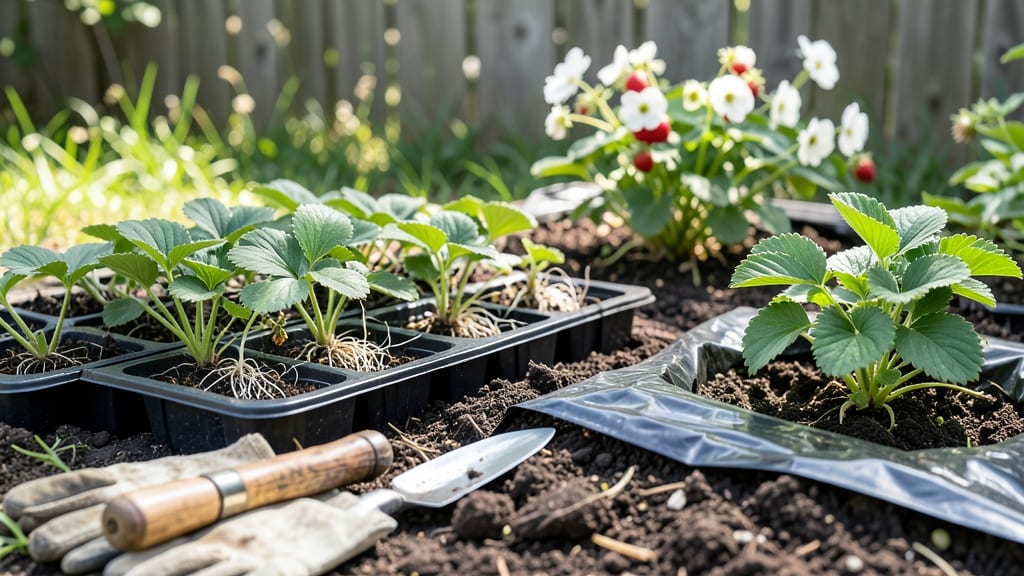
Planting strawberries in New York at the wrong time can mean the difference between a bountiful harvest and a sad pile of frost-bitten leaves. With USDA Zones 5b-7a and unpredictable frost dates, timing is everything for your 🍓 plants to thrive.
Most gardeners in New York swear by two key windows: early spring (March-April) and late summer (August-September). But why? Spring planting gives you a jumpstart on the growing season, while fall planting lets you take advantage of cooler temperatures and avoids summer heat stress.
The secret lies in understanding your local frost dates—because planting too early can leave your strawberries vulnerable to late freezes.
Whether you're growing in containers or in the ground, getting the timing right ensures stronger plants and bigger yields. I’ll walk you through the exact months to plant, how to prepare your soil, and which varieties do best in New York’s climate.
Let’s make sure your strawberries get the perfect start.
Ready to turn your garden into a sweet, berry-filled paradise? The first step is knowing when to put those plants in the ground—and trust me, the difference is night and day.
Best planting months for strawberries in New York by variety type
New York’s USDA Zones 5b-7a create a unique challenge for strawberry growers—late frosts can turn your juicy harvest into a wilted nightmare if timed wrong. The key? Matching your strawberry variety to NY’s two planting windows: early spring and late summer.
Let’s break down the exact months for each type to maximize your berry bounty.
For June-bearing strawberries (the classic all-at-once harvest variety), your planting window is narrow but critical. Aim for March 15–April 15 in most of NY, but adjust 1–2 weeks later in colder zones like the Adirondacks or Finger Lakes.
These plants need 60–90 days of warm soil to establish roots before last frost—typically mid-April in NYC but May 1 in Buffalo.
Ever-bearing varieties (like Seascape or Tristar) offer two harvests: spring and fall. Plant these 4–6 weeks before last frost (early spring) OR in late summer (August 1–September 15) for a fall harvest. The late-summer window is your secret weapon for avoiding frost damage while still enjoying September-October berries.
Day-neutral strawberries (like Albion or Evie) are the most forgiving, producing fruit all season long. Plant them March 1–April 30 for a spring harvest or July 15–August 15 for a summer-to-fall crop. Their flexible timing makes them perfect for NY’s unpredictable climate.
Soil temperature is your true north—wait until the ground reaches 40–50°F (use a soil thermometer!) before planting. In Upstate NY, this often means waiting until April, while Long Island or NYC may see earlier soil warming. Mulch heavily with straw or shredded leaves to insulate roots from late frosts.
Here’s your NY-specific planting timeline at a glance—because one wrong month can mean no berries instead of pounds of sweetness.
| Variety Type | Ideal Planting Window | Harvest Window | NY-Specific Notes |
|---|---|---|---|
| June-Bearing | March 15–April 15 | June–July (1 harvest) | Best for short-season zones (5b–6a); needs full sun. |
| Ever-Bearing | March 1–April 30 OR August 1–September 15 | May–June AND September–October | Perfect for Long Island/NYC; mulch heavily in fall. |
| Day-Neutral | March 1–April 30 OR July 15–August 15 | June–October (continuous) | Best for containers or urban gardens; drought-tolerant. |
Pro tip: Bare-root plants (cheaper and hardier) should be planted in early spring, while potted strawberries (more expensive but immediate harvests) can go in late summer.
If you’re in Zone 7a (e.g., Western NY), you can even squeeze in a second spring planting in February under row covers.
Remember: NY’s microclimates vary wildly. A city garden in Brooklyn might be 5°F warmer than a rural farm in the Catskills. Use local frost data (check NOAA’s Climate Normals) and adjust your planting date by 1–2 weeks if your area runs hotter or colder than average.
Now that you’ve got the perfect months locked down, your next move? Prep your soil—because even the best timing won’t save poorly amended dirt. Aim for pH 5.5–6.8 and well-draining soil to avoid root rot during NY’s unpredictable rains. 🌱
How to calculate your exact planting date using NY’s frost risk data
New York’s frost dates vary wildly—from April 15 in NYC to May 1 in Buffalo—so relying on a one-size-fits-all calendar won’t cut it. To pinpoint your ideal planting window, start by checking NOAA’s frost maps for your specific ZIP code.
These maps show both the average last frost date and a 10-day buffer zone to account for unpredictable late freezes.
For example, if your area’s last frost date is April 20, aim to plant 4-6 weeks earlier (mid-March) for spring varieties. This gives roots time to establish before soil warms. For late-summer planting, target August 15–September 1—after the peak heat but before the first frost risk in October.
🌱 Pro Tip: Urban areas like New York City often experience heat islands that delay frost by 1–2 weeks, while Upstate regions near lakes may see earlier freezes. Adjust your timeline accordingly.
- 📍 Step 1: Find your USDA Zone (NY ranges from 5b-7a).
- 🌡️ Step 2: Check your local frost-free date (e.g., April 15 for NYC, May 1 for Buffalo).
- ⏳ Step 3: Subtract 4-6 weeks for spring planting (e.g., March 15–April 1).
- 🌿 Step 4: For fall, plant 8–10 weeks before first frost (e.g., August 15–September 1).
- 📊 Step 5: Add a 10-day buffer if your area has unpredictable frost patterns.
Don’t forget to account for soil temperature, which should be at least 40°F (4°C) for planting. Use a soil thermometer to confirm—cold soil can stunt root growth. If temperatures are too low, wait a week or two.
For container growers, you have more flexibility since pots warm up faster. Plant 2 weeks earlier than in-ground dates, as containers absorb heat more quickly. Just ensure pots have drainage holes to prevent root rot from spring rains.
🌿 Final Tip: If you’re unsure, ask your local garden center for their recommended planting dates—they track real-time frost data and soil conditions for your area.