Plants
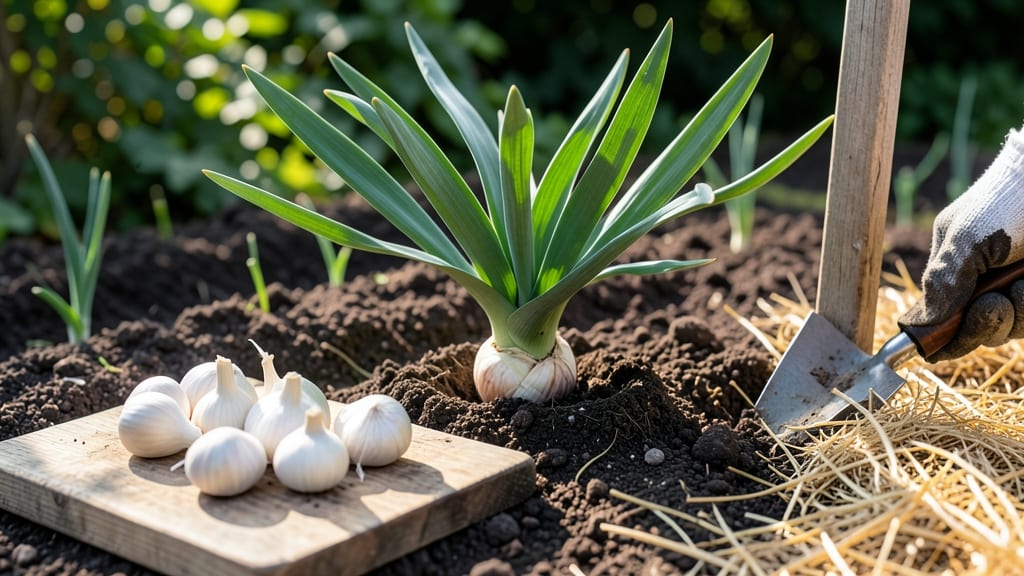
Timing your garlic planting in New York could mean the difference between a bountiful harvest of plump, flavorful bulbs and a disappointing crop that barely survives the winter.
Unlike many plants, garlic thrives when planted in fall or early spring, but getting it wrong can leave your 🧄 vulnerable to frost or stunted growth.
New York’s USDA Zones 5a-7b bring unique challenges, from early frosts in Upstate regions to later cold snaps in NYC. The key is planting 4-6 weeks before the ground freezes, typically between October and November for fall planting—or March to April for a spring alternative.
This ensures your garlic establishes roots before winter sets in.
In this guide, I’ll break down the exact months to plant garlic in your specific New York region, plus the best cold-hardy varieties that perform well in our climate.
You’ll also learn how to prep your soil, space cloves correctly, and protect your crop from late frosts—so you can enjoy a harvest from July to August the following year.
Whether you’re a seasoned gardener or just starting, these tips will help you avoid common mistakes and grow garlic that’s bold in flavor and abundant in yield. Let’s get your garlic in the ground at the perfect time for a successful growing season.
Best planting months for garlic in New York (avoid frost & maximize yield)
New York's USDA Zones 5-7 create unique challenges for garlic growers. Unlike milder climates, timing is everything—plant too early, and you risk rot from wet soil; too late, and frost damage stunts growth.
The ideal window is October to November for fall planting, with a backup window in early March to April for spring.
Most gardeners in New York focus on fall planting because garlic needs 6-8 weeks of cold to form bulbs. This means planting 4-6 weeks before your first hard frost—typically late October for NYC and early November for Upstate areas like Buffalo.
For spring planting, aim for March 1st or earlier to avoid late frosts.
Here’s the critical rule: Garlic cloves must establish roots before the ground freezes. In Zone 5 (Upstate NY), soil temps drop below 32°F by mid-November, while Zone 7 (Long Island) may hold 50°F soil temps until late November.
Use a soil thermometer to confirm temps are above 40°F before planting.
If you’re unsure about your exact frost dates, check the National Weather Service or your local Cooperative Extension office. For example, Syracuse (Zone 5b) averages its first frost on October 15th, while Albany (Zone 6a) holds until October 25th. Adjust your planting date accordingly.
Spring planting is riskier in New York due to late frosts and pest pressure. If you choose this route, opt for early-maturing varieties like 'Silverskin' and plant in containers for easier frost protection.
However, fall planting yields larger bulbs because garlic benefits from vernalization—the cold period that triggers bulb formation.
Pro tip: Use a planting calendar tailored to your specific county. For example, Dutchess County (Zone 6a) has a 3-week earlier frost date than Suffolk County (Zone 7b). Local Master Gardener programs often provide free frost-date guides—check your Cornell Cooperative Extension resources.
Once you’ve nailed the planting month, focus on soil prep. Garlic thrives in loamy, well-draining soil with a pH of 6.0–7.0. Amend heavy clay soils with compost or sand to prevent waterlogging, which is a major issue in New York’s wet springs.
Test your soil in early fall to address any deficiencies before planting.
Finally, remember that New York’s microclimates matter. A south-facing slope in Adirondacks (Zone 4) may stay frost-free longer than a valley in Finger Lakes. Observe your garden’s sun exposure and wind patterns—garlic planted in windy areas needs extra mulch protection to prevent desiccation during winter.
With the right timing and prep, you’ll harvest plump, flavorful garlic bulbs by late July or August—just in time for summer recipes! 🌱
Best planting months for garlic in New York (avoid frost & maximize yield)
New York’s USDA Zones 5-7 create a unique challenge for garlic growers—plant too early, and frost zaps your cloves; too late, and you miss the ideal 4-6 week window before winter dormancy.
The key is planting garlic in October or November for a fall harvest the following summer, or in early March-April for a smaller spring crop. Upstate NY’s colder winters (Zone 5) demand earlier planting than NYC’s milder Zone 7.
For most of New York, aim to plant garlic when soil temperatures drop below 40°F (4°C) but before the ground freezes solid. This typically falls between mid-October and late November.
In NYC and Long Island (Zone 7), you might squeeze in a late-November planting, while Upstate gardeners should start by early October to avoid early frosts. Always check your last frost date—planting 4-6 weeks before ensures your garlic establishes roots before winter.
Here’s the golden rule: garlic needs 10-12 weeks of cold exposure to form bulbs properly. If you plant too late, your cloves may rot over winter. Conversely, planting too early (like August) gives garlic time to sprout before frost, which weakens it.
Timing is everything—especially in New York’s unpredictable climate with sudden cold snaps.
| Region | USDA Zone | Best Planting Window | Soil Temp Threshold | Key Tip |
|---|---|---|---|---|
| NYC/Long Island | Zone 7 | Late October - Late November | Below 40°F (4°C) | Use mulch to protect from late frosts. |
| Upstate NY (Albany, Syracuse) | Zone 5-6 | Early October - Mid-November | Below 45°F (7°C) | Plant hardneck varieties for cold resilience. |
| Western NY (Buffalo, Rochester) | Zone 5-6 | Mid-September - Early November | Below 40°F (4°C) | Extend season with row covers if late planting. |
| Spring Planting (Anywhere) | Zones 5-7 | Early March - Mid-April | Above 40°F (4°C) | Smaller bulbs; use for green garlic. |
If you’re unsure about your exact frost dates, use the National Weather Service’s frost calendar for your nearest city. For example, NYC’s average first frost is October 28, while Buffalo’s is October 15.
Planting garlic 6 weeks before these dates gives it time to root before winter. Pro tip: Use a soil thermometer to confirm temperatures—garlic cloves need consistent cold to form bulbs, not just survival.
Spring planting is possible but yields smaller bulbs—ideal for green garlic harvests. Plant in early March when soil is workable but before temperatures rise above 50°F (10°C).
This method skips the cold requirement, so bulbs won’t develop fully. For flavorful, full-sized garlic, stick to fall planting and embrace New York’s winter chill.
Remember: garlic planted in fall will harvest in July-August of the following year. The longer it sits in cold soil, the larger your bulbs will grow. Don’t rush—patience pays off with bold, flavorful cloves ready for your kitchen. 🧄