Plants
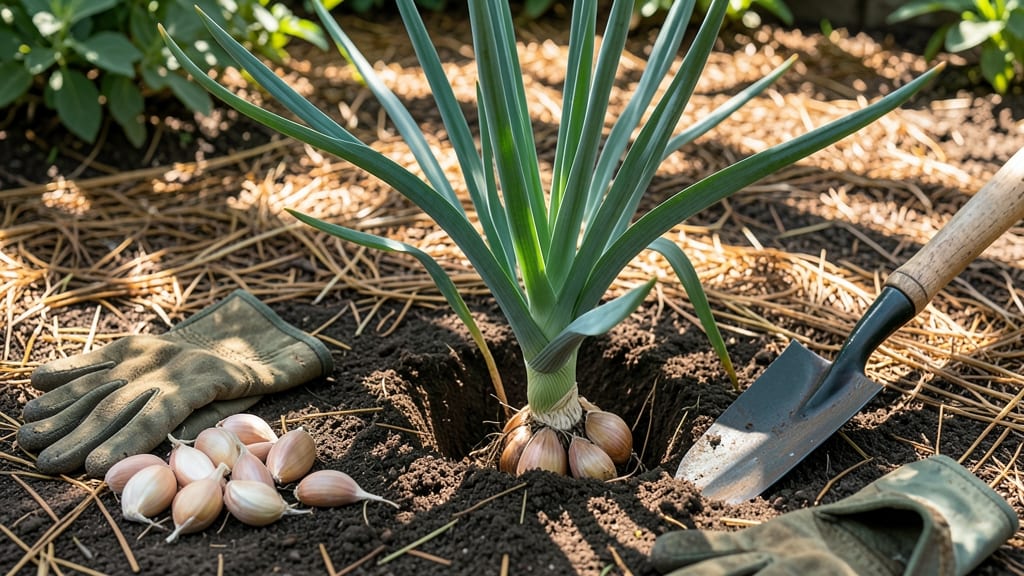
Timing your 🧄 garlic planting in New Jersey could mean the difference between a thriving harvest and wasted effort. The right window—typically between October and November—gives this hardy plant the cold exposure it needs to develop strong bulbs next summer.
For gardeners in zones 6a-7b, fall planting is the golden standard, but getting the exact timing right matters. Plant too early, and your cloves might sprout before winter; too late, and they won’t establish roots before the ground freezes.
I’ll break down the perfect schedule so you don’t miss this crucial window.
Why does this matter? Because garlic planted at the right time in NJ produces larger, more flavorful bulbs by July or August—when your neighbors might still be struggling with weak harvests. Let’s make sure you’re one of the lucky ones with a bumper crop.
Whether you’re a seasoned gardener or just starting, these insights will help you avoid common mistakes and set your garlic up for success. Ready to dig in?
Optimal fall planting dates for garlic in New Jersey (by Zone)
New Jersey’s USDA zones 6a-7b create distinct planting windows for garlic. In Northern NJ (Zone 7a), the last frost typically hits around November 15, while Southern NJ (Zone 7b) can wait until November 25.
To maximize bulb size, aim to plant 4-6 weeks before the ground freezes, usually between mid-October and early November.
Hardneck varieties like ‘Music’ or ‘German White’ thrive in NJ’s climate, but timing matters. Plant too early, and cloves rot in wet soil; too late, and bulbs won’t mature fully. Soil temperature should be 40-50°F at planting depth (4 inches) for best root establishment.
🌱 Fall Planting Timeline for NJ Garlic
Zone-Specific| Zone | Ideal Planting Window | Soil Temp | Key Note |
|---|---|---|---|
| Northern NJ (7a) | October 15 – November 5 | 40–50°F | First frost risk after Nov 15 |
| Southern NJ (7b) | October 20 – November 15 | 40–50°F | Warmer microclimates extend window |
| Both Zones | Avoid after Nov 20 | N/A | Risk of winterkill increases |
✂️ Pro Tip: Use a soil thermometer to confirm temps before planting.
For hardneck garlic, which produces scape shoots in spring, planting in early October gives bulbs enough time to establish roots before winter. Softneck varieties like ‘Silverskin’ can tolerate slightly later planting but may yield smaller bulbs. Check your local NJ Agricultural Extension for frost date updates each year.
Adjust your planting date if unseasonably warm fall weather delays frost. A 4-week buffer after the average first frost date ensures garlic survives winter dormancy. For example, if frost arrives November 20, plant by October 15.
In cooler microclimates (e.g., Highlands or North Jersey mountains), plant on the earlier side of the window. Warmer areas like Southern Shore can wait until mid-November without risking winter damage.
Use mulch (straw or leaves) after planting to insulate bulbs from temperature swings. A 4-inch layer prevents soil heaving and protects cloves from freeze-thaw cycles. Remove mulch in early spring to allow soil warming.
Spring planting (March-April) is possible but yields smaller bulbs. If you miss fall, plant only softneck varieties and expect a 50% reduction in size. For hardneck success, fall is non-negotiable.
Monitor weather forecasts in late October. If a hard freeze (20°F or below) is predicted within 2 weeks of planting, delay until conditions stabilize. Garlic cloves need consistent cold to form bulbs, but extreme cold can damage emerging roots.
For organic gardeners, amend soil with compost or aged manure 2-3 weeks before planting. Aim for pH 6.0-7.0—garlic tolerates slightly acidic soil but thrives in neutral conditions. Test soil in early fall to adjust lime or sulfur as needed.
Hardneck garlic planted in October will produce scape shoots by May, signaling bulb development. Harvest in July-August when lower leaves brown. Late-planted garlic may not scape, but bulbs still form—just smaller.
How to time your garlic planting for maximum yield in NJ
Timing your garlic planting in New Jersey isn't just about picking a month—it's about reading your local microclimate and preparing your soil and cloves just right. For hardneck varieties, the 4-6 week window before the ground freezes is critical.
In Zone 7a (northern NJ), aim for mid-October to early November, while Zone 7b (southern NJ) gardeners have until late November.
Start by selecting large, plump cloves (about 1 inch in diameter) from your harvest or a trusted supplier. Smaller cloves yield smaller bulbs, so don’t skimp on size. Break apart a whole bulb, ensuring each clove has its papery skin intact—this protects against rot and disease.
Now, let’s talk soil. Garlic thrives in well-draining, slightly acidic soil (pH 6.0-7.0). Work in 2-3 inches of compost or aged manure a few weeks before planting to boost fertility without overfeeding. Avoid fresh manure, which can burn cloves and invite pests.