
Flowers
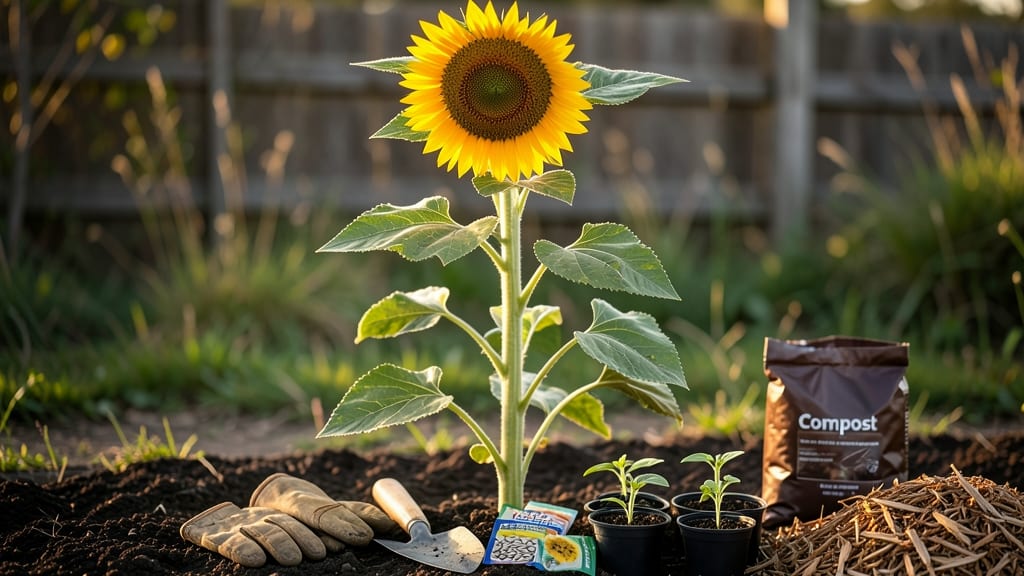
Planting sunflowers in Alabama isn’t just about dropping seeds in the dirt—it’s about timing them perfectly to beat the heat and avoid frost.
The ideal window of mid-April to early June gives your 🌻 seeds the best shot at thriving, but even a few weeks can make the difference between towering blooms and wilted disappointment.
Alabama’s 7b-8b climate zones mean you’ve got about 215 frost-free days to work with, but that doesn’t mean you can plant anytime. Too early, and a late frost could zap your seedlings; too late, and your sunflowers might struggle in the sweltering summer heat before they even bloom.
I’ll break down the exact soil temperature triggers and regional microclimates—whether you’re in northern Alabama’s cooler pockets or southern areas baking under early summer sun—to help you pick the perfect moment for planting.
By the end, you’ll know not just when to plant, but how to give your sunflowers the head start they need for those show-stopping, 10-foot-tall stalks that’ll be the talk of your neighborhood.
Alabama’s sunflower planting calendar by heat zone: best months and soil prep tips
Alabama’s USDA zones 7b-8b create a unique challenge for sunflower growers. The state’s long growing season (215 frost-free days) means you can plant sunflowers as early as mid-March in southern regions, but northern Alabama gardeners should wait until mid-April to avoid frost damage.
The key is aligning your planting with soil temperatures of at least 50°F and last frost dates that vary by county.
For most of Alabama, the optimal planting window runs from mid-April to early June. This schedule ensures your sunflowers have 100-120 days to mature before the first frost in mid-November.
In northern Alabama (zone 7b), focus on late April to May plantings, while southern Alabama (zone 8b) gardeners can start as early as March in protected microclimates.
Here’s a quick reference for Alabama’s sunflower planting calendar, including soil prep essentials:
Before planting, prepare your soil by removing weeds and working in 2-3 inches of compost. Alabama’s clay-heavy soils in many regions benefit from sand or perlite to improve drainage.
A balanced fertilizer (10-10-10) can be lightly worked into the top 6 inches of soil, but avoid over-fertilizing—sunflowers thrive in moderately fertile soil.
For container growing, use well-draining pots with 1-gallon capacity per plant and plant seeds 1 inch deep. Containers warm up faster than garden soil, so you can start 2-3 weeks earlier than in-ground plantings.
Just ensure your containers have drainage holes to prevent root rot in Alabama’s humid summers.
After planting, maintain 1-2 inches of mulch around your sunflowers to suppress weeds and retain moisture. In Alabama’s heat, mulch also helps regulate soil temperature, preventing sudden swings that can stress young seedlings.
Water deeply once a week during establishment, then reduce to every 10 days once plants reach 12 inches tall.
One common mistake in Alabama is planting too late for giant varieties. If you miss the June 1 deadline, opt for fast-maturing dwarf varieties (like ‘Teddy Bear’ at 3-4 feet) that can still bloom by late summer.
These varieties also work well for fall plantings in October, giving you a second chance at sunflowers before winter.
Monitor your sunflowers for pest pressure, especially in Alabama’s humid climate. Sunflower moths and aphids are common; address infestations early with neem oil or insecticidal soap. Also watch for powdery mildew, which thrives in Alabama’s heat—improve airflow by spacing plants 12-24 inches apart based on variety.
With the right timing and soil prep, your Alabama sunflowers will reward you with vibrant blooms from July through October. Track your local frost dates using the Alabama Agricultural Statistics Service or USDA Plant Hardiness Zone Map to fine-tune your schedule each year. Happy growing! 🌻
Alabama’s sunflower planting calendar by heat zone: best months and soil prep tips
Alabama’s USDA zones 7b-8b create a unique challenge for sunflower growers. The last frost date varies from mid-March in southern Alabama to early April in the north, while summer heat can push soil temperatures above 90°F.
To succeed, time your planting with soil warmth and frost-free windows—typically mid-April to early June for optimal results.
Sunflowers are warm-season annuals that won’t germinate well in cold soil. Aim to plant when soil temperatures consistently reach 50°F at 2 inches deep. In northern Alabama, this usually means waiting until late April, while southern regions can start as early as mid-March under protective covers.
| Stage | Action | Notes |
|---|---|---|
| Soil Prep | Test pH (6.0-7.0) | Alabama’s clay soil benefits from compost |
| Planting Window | Mid-April to June | Northern AL: Wait until late April |
| Depth | 1 inch deep | Cover with 2 inches of mulch |
| Germination | 7-14 days | Keep soil moist until sprouts appear |
Before planting, amend your soil with organic matter like compost or aged manure. Alabama’s native clay-heavy soil drains poorly when wet, which can cause seed rot. Mix in sand or perlite to improve aeration, especially in low-lying areas where water pools.
A light application of 10-10-10 fertilizer at planting time provides essential nutrients without overwhelming young seedlings.
For extended blooms, consider a second planting in early July. This late-summer crop will mature just as temperatures begin to cool, giving you fall flowers before the first frost.
Choose dwarf varieties like ‘Teddy Bear’ for containers or giant types like ‘Mammoth’ for dramatic height—both thrive in Alabama’s heat when planted at the right time.
Monitor your garden for early signs of stress, like yellowing leaves or stunted growth. These often indicate poor soil conditions or inconsistent watering. Sunflowers are drought-tolerant once established, but they need deep watering weekly during their first month to develop strong roots.
Mulching with straw or wood chips helps retain moisture and suppress weeds.
Remember that Alabama’s microclimates vary dramatically. Urban areas with heat islands may experience earlier planting windows, while rural regions with cooler nights might need to wait longer. Always check your local Alabama Cooperative Extension Service for frost date updates and soil temperature forecasts before planting.