
Plants
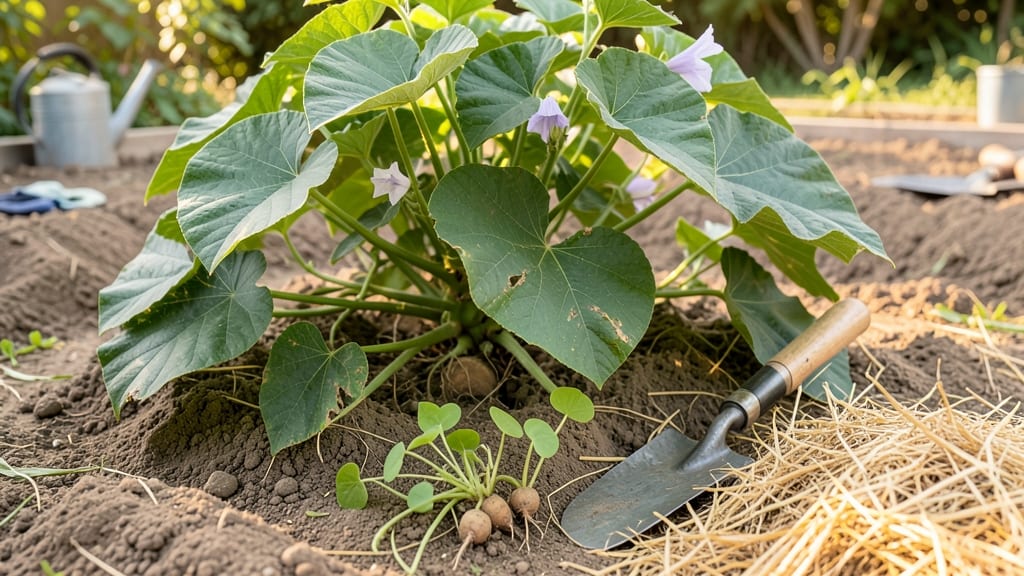
Planting sweet potatoes in Alabama isn’t just about checking the calendar—it’s about waiting for that critical soil warmth that triggers fast, reliable germination. With the right timing, you could be harvesting homegrown 🍠 by late fall, but rush it, and you risk rot or stunted growth.
Alabama’s warm climate (USDA zones 7b-8b) gives gardeners a 3-month window from late spring to early summer, but the key isn’t the date—it’s the temperature. Slips (young plants) need soil at at least 65°F to thrive, and frost-free conditions are non-negotiable.
I’ll show you exactly how to time your planting for maximum success, including how to test soil temperature and adjust for Alabama’s microclimates. Whether you’re in Birmingham’s heat or Huntsville’s cooler hills, these insights will help you avoid common mistakes.
Ready to grow sweet potatoes that outperform store-bought? Let’s dive into the fast-track to a harvest that’ll make your garden the envy of the neighborhood.
Alabama’s ideal planting window: soil temperature triggers for sweet potatoes
Alabama’s warm, humid climate creates the perfect conditions for sweet potatoes, but timing is everything. Unlike cool-season crops, sweet potatoes demand soil temperatures of 85°F or higher for reliable germination.
Planting too early—when soil is still cool—leads to rotting slips and wasted effort. The key is waiting until the last frost date has passed and the ground has warmed.
In most of Alabama, this window falls between late May and early June. However, regional microclimates mean your exact timing should align with your USDA Zone (7b-8b).
Northern areas like Huntsville may need to wait until mid-June, while southern regions like Mobile can plant as early as late April in protected microclimates. Always prioritize soil temperature over calendar dates.
To test soil warmth, use a soil thermometer buried 2-3 inches deep. Aim for 85°F+ for slips or 75°F+ if starting seeds. Morning is the best time to check, as soil cools overnight. If temperatures dip below 60°F, germination slows dramatically, increasing the risk of disease.
Here’s how Alabama’s major cities compare for optimal planting windows:
| Region | Ideal Planting Window | Soil Temp Requirement | Last Frost Date |
|---|---|---|---|
| Northern AL (Huntsville) | Mid-June | 85°F+ | March 20 |
| Central AL (Birmingham) | Late May - Early June | 85°F+ | March 15 |
| Southern AL (Mobile) | Late April - May | 75°F+ (earlier) | March 1 |
Even if your neighbors plant in May, don’t rush—cool, wet soil invites fungal diseases like black rot. Use a clear plastic mulch to warm soil faster if needed, but never plant until the ground is consistently warm.
Slips (young plants) are more forgiving than seeds, so they’re the preferred method in Alabama’s climate.
For a 120-day growing season (ideal for sweet potatoes), aim to plant by July 1 at the latest. This ensures harvests coincide with October’s cooler temps, when vines naturally yellow and sweet potatoes mature. Late plantings risk small yields due to Alabama’s first frost around November 15.
Pro tip: Extend your season by using row covers or planting in raised beds, which warm up faster. Just avoid heavy clay soils—sandy loam drains best and prevents rot. Always amend with compost to improve warmth retention and drainage.
🌱
3 Critical factors that determine your planting date in Alabama
Alabama’s climate varies dramatically from the coastal humidity of Mobile to the drier hills of Huntsville, and these differences directly impact your sweet potato planting date. The three most critical factors aren’t just the calendar—they’re your soil type, elevation, and recent weather patterns.
Ignoring these can lead to rotten slips or stunted growth, even if you plant at the "right" time.
First, sandy soils warm up faster than clay, meaning you can plant 2-3 weeks earlier in sandy areas. Use a soil thermometer to confirm 65°F+ soil temperature at a 4-inch depth—this is your green light.
Clay soils, common in central Alabama, may need additional mulch or black plastic to reach this warmth.
Elevation plays a sneaky role. For every 1,000 feet you climb in Alabama, temperatures drop by about 5°F. That means Mountain City (higher elevation) may need to wait until mid-June while Dothan (lower) can start in late April.
Check your local USDA hardiness zone—Alabama spans 7b to 8b, and even small differences matter.
Weather patterns create the final puzzle piece. If your spring was unusually wet, hold off planting until the soil dries enough to avoid fungal rot in your slips.
Conversely, a dry April might mean you can plant 2 weeks early since the ground warms faster. Monitor 7-day forecasts for heatwaves—these can jumpstart your growing season.
Planting too early risks cold soil, which causes slips to rot before sprouting. Planting too late shortens your 105-day growing season, leaving sweet potatoes undersized.
Aim for a balance: the last frost date (typically March 15 in most of Alabama) plus 4-6 weeks of warm soil prep equals your sweet spot.
Pro tip: If you’re unsure, start slips indoors in late April (using 6-packs) and transplant them outside once soil hits 65°F. This gives you a safety net against late frosts or cool snaps.
Just remember—transplant shock is less of an issue for sweet potatoes than for other veggies, so they adapt well once in warm soil.
🌱