
Plants
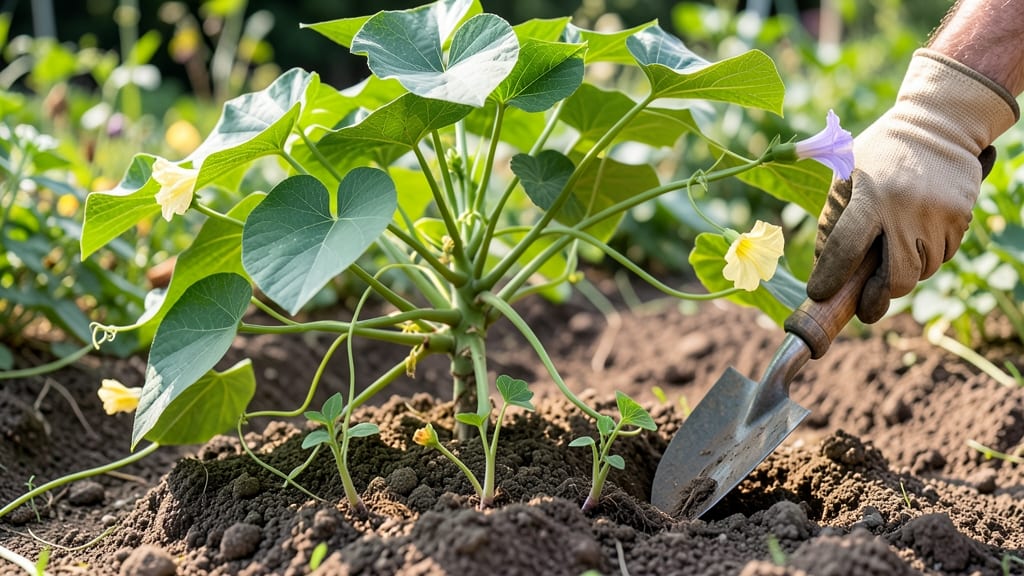
If you've ever wondered when to plant sweet potatoes in Florida, the answer isn't just about timing—it's about working with the state's unique climate to avoid bitter tubers and maximize your harvest.
Unlike northern gardeners, Florida's frost-free zones mean you can grow these heat-loving 🍠 plants year-round, but spring remains the sweet spot for most gardeners.
Planting too early can lead to disease-prone vines, while waiting too long might mean smaller yields before the fall harvest window. The key is starting slips when soil temperatures hit 65°F+—typically between March and June—giving your plants 120 days of warm weather to thrive before the cooler months arrive.
In this guide, I'll break down the exact planting schedule for Florida's different regions, from the panhandle to the Keys, so you can avoid common mistakes like overwatering or crowding.
You'll also learn how to prep your soil and slips for Florida's humidity, ensuring a bumper crop of sweet, starchy tubers by harvest season.
Whether you're a first-time grower or a seasoned gardener, these insights will help you time your planting perfectly—so you can enjoy homegrown sweet potatoes from October through December without the guesswork.
Optimal sweet potato planting months in Florida’s climate zones
Florida’s frost-free climate means you can grow sweet potatoes year-round, but timing still matters. Unlike northern states, Florida’s humid heat and rainfall patterns demand precise planting windows to avoid disease pressure and poor tuber development.
The ideal window spans March through June, aligning with rising soil temperatures and natural rainfall cycles.
Unlike cooler regions, Florida gardeners skip the "last frost" rule entirely. Instead, focus on soil temperature—wait until it reaches at least 65°F (18°C)—and humidity levels drop slightly after spring rains.
Planting too early risks vine rot from prolonged moisture, while late planting may yield smaller tubers before fall’s first heatwave.
Here’s how to break it down by Florida’s three main climate zones:
For North Florida, aim to plant by early May to avoid the region’s heavy spring rains, which can drown slips. Central Florida’s extended window lets you stagger plantings for a continuous harvest, while South Florida’s heat means July plantings should be avoided—opt for early summer instead.
Pro tip: Use a soil thermometer to confirm readiness. Sweet potatoes hate cold soil, and temperatures below 60°F (15°C) stunt growth. In North Florida, wait until April if March soil stays cool. Pair this with well-draining soil to prevent waterlogged roots, a common issue in Florida’s clay-heavy areas.
If you miss the spring window, don’t despair—July plantings still work in most of Florida, but expect a smaller yield due to summer’s intense heat. For fall harvests, prioritize March–April plantings, as tubers need 90–120 days to mature.
In South Florida, you can even plant in August for a winter harvest, but mulch heavily to retain moisture.
Florida’s humidity also means airflow is critical. Space slips 12–18 inches apart in rows 3 feet apart to reduce fungal diseases like black rot. Raised beds help in waterlogged areas, while drip irrigation keeps foliage dry—another Florida-specific hack.
Remember: No frost in Florida means no excuses for poor planning. But timing still wins the harvest game. Start slips indoors in February for an early March transplant, or buy pre-sprouted slips from local nurseries to hit the optimal window without delay.
For organic gardeners, add composted leaves to beds in February to warm soil faster. Avoid fresh manure—it can burn roots in Florida’s heat. And if you’re in hurricane-prone zones, plant elevated beds to protect tubers from flooding.
Optimal sweet potato planting months in Florida’s climate zones
Florida’s frost-free climate means sweet potatoes thrive year-round, but timing still matters to avoid disease, poor yields, or bitter tubers. Unlike northern states, you don’t need to wait for spring—just soil temperatures above 65°F (18°C).
Most of Florida falls in USDA Zones 9a-11, so your planting window is longer than you might expect.
For North Florida (Zones 8a-9a), like Jacksonville or Gainesville, aim to plant slips between March 15 and April 30. The soil must warm consistently—cold snaps (rare but possible) can stunt growth.
In Central Florida (Zones 9a-9b), such as Orlando or Tampa, you’ve got flexibility from February 15 to May 15, with peak success in March and April.
Southern Florida (Zones 10a-11) gardeners can plant year-round, but spring (March-June) is ideal to align with natural rainfall patterns. Avoid planting in summer’s peak heat (July-August) unless you’re using drip irrigation and shade cloth—the vines will bolt too quickly, reducing tuber size.
| Florida Region | Best Planting Window | Soil Temp Requirement | Key Risk to Avoid |
|---|---|---|---|
| North Florida (Zones 8a-9a) | March 15–April 30 | 65°F+ (18°C) | Late frost (rare but possible) |
| Central Florida (Zones 9a-9b) | February 15–May 15 | 68°F+ (20°C) | Summer heat stress |
| South Florida (Zones 10a-11) | Year-round (peak: March-June) | 70°F+ (21°C) | Hurricane season (June-Nov) |
Pro tip: Use a soil thermometer to confirm readiness—65°F+ at 4 inches deep is your green light. In North Florida, wait until after April 1 to dodge the last frost risk, even though frost is uncommon.
For South Florida, planting in late summer (August-September) can work, but expect smaller tubers due to shorter daylight.
If you miss the spring window, don’t panic—July plantings still produce, but prioritize shade cloth and mulch to retain moisture. The key is consistent soil warmth; sweet potatoes won’t grow well in cold soil, even in Florida’s mild winters.
Aim for 120-150 days to harvest, so plan accordingly for your target timeline.
For container growing, plant 2-3 weeks earlier than in-ground—pots warm up faster. Just ensure containers are at least 12 inches deep and have drainage holes to prevent root rot, a common issue in Florida’s humidity.