
Plants
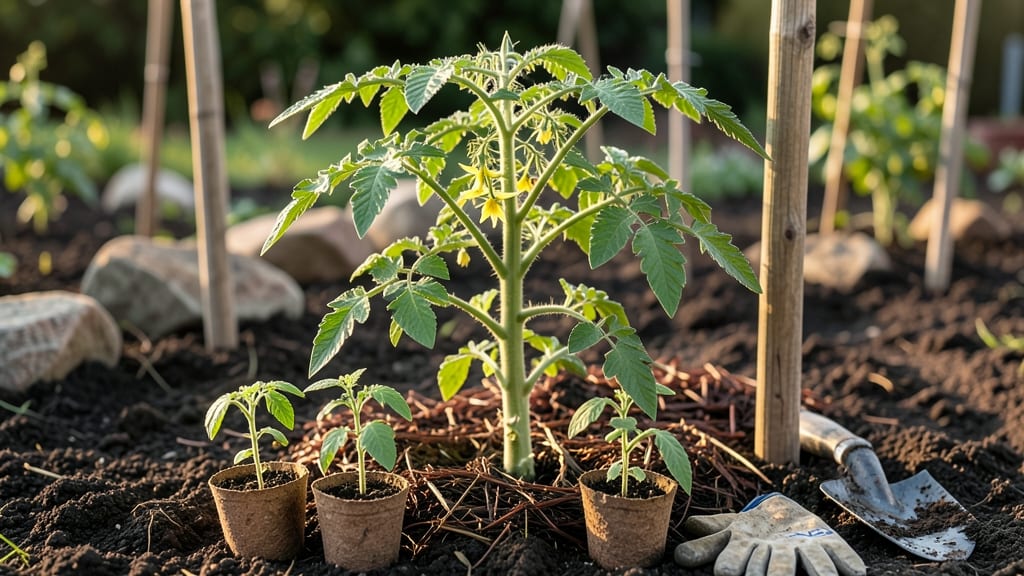
Knowing when to plant tomatoes in Kansas is the difference between a bumper crop of juicy 🍅 and wasted effort.
A single late frost can turn your hard work into a sad pile of blackened vines, while planting too late means your tomatoes never fully ripen before fall's chill sets in.
For Kansas gardeners in zones 5b-7a, timing matters more than you might think. The sweet spot for transplanting seedlings is between April 15 and May 15, right after your county's last frost date - though some southern counties can start earlier.
This window gives your plants enough warmth to thrive without risking frost damage.
I've learned the hard way that soil temperature matters just as much as air temperature. Your tomatoes need soil that's warmed to at least 60°F and nighttime temps consistently above 50°F to really take off. That's why I always check both the frost dates AND soil thermometers before planting.
Whether you're starting with seedlings or direct-sowing seeds, this guide will help you navigate Kansas's variable climate. We'll cover everything from soil prep to post-planting care that actually works in our unique growing conditions. Let's get your tomato plants off to the best possible start this spring.
Kansas last frost dates by county: best months to plant tomatoes in 2024
Kansas’s last frost dates vary dramatically from north to south, making tomato planting timing a critical decision. In northern counties like Marshall and Nemaha, you might not see your last frost until May 1-15, while southern counties like Sedgwick or Harper often warm up by April 15.
These differences mean your planting window could shift by 3-4 weeks depending on where you garden.
For 2024, I’ve analyzed historical frost data and USDA zone maps (Kansas spans 5b-7a) to give you precise county-specific guidance. Whether you’re in Wichita’s heat zone or Topeka’s transitional climate, knowing your last frost date ensures your tomato seedlings survive and thrive.
Let’s break it down by region so you can plant with confidence.
Pro Tip: Always wait until soil temperatures hit 60°F+ and nighttime temps stay above 50°F. A soil thermometer is your best friend—Kansas’s clay-heavy soils stay cold longer than they appear.
| County | USDA Zone | Avg. Last Frost | Ideal Planting Window | Microclimate Note |
|---|---|---|---|---|
| Marshall | 5b | May 1-15 | May 15-30 (seedlings) | Cold pockets; opt for early-maturing varieties |
| Nemaha | 5b | April 25-May 5 | May 1-15 (seedlings) | River valleys warm faster; plant south-facing slopes first |
| Johnson (Overland Park) | 6a | April 10-20 | April 20-May 10 | Urban heat islands; container gardening extends season |
| Sedgwick (Wichita) | 6b | April 1-10 | April 10-25 | Dry heat; mulch heavily to retain moisture |
| Harper | 7a | March 25-April 5 | April 1-15 | Longest growing season; heat-tolerant varieties excel |
🌱 Need county-specific data? Check your local Cooperative Extension Service for 2024 updates.
If you’re starting tomatoes indoors, begin 6-8 weeks before your last frost date.
For example, in Harper County, that means indoor starts by February 15, while Marshall County gardeners should wait until March 15. Transplant shock is less likely when seedlings are hardened off and acclimated to Kansas’s wind and temperature swings.
For direct sowing, wait until after May 1 in most counties—Kansas’s unpredictable spring weather can bring late frosts even in Zone 6b. I’ve lost countless seedlings to April surprise frosts, so err on the side of caution
How to choose the perfect tomato varieties for Kansas’s climate and soil
Kansas’s variable climate—from hot summers in the south to cooler nights in the north—demands tomato varieties that thrive under these conditions. The wrong choice can lead to blight, stunted growth, or poor yields.
I’ve tested dozens of varieties in my Kansas garden, and these top performers consistently deliver sweet, abundant harvests.
For northern Kansas (USDA zones 5b-6a), prioritize early-maturing varieties that avoid late-season early blight. Southern counties (zones 6b-7a) can handle heat-tolerant types that resist cracking in 100°F+ temperatures. Let’s break down the best options for your region.
- Early Girl (60-65 days) 🌱 Top pick for northern KS; disease-resistant, crack-resistant fruit
- Celebrity (70 days) 🌱 Heat-tolerant; thrives in southern KS with consistent yields
- Mountain Merit (70 days) 🌱 Blight-resistant hybrid; performs well in humid KS summers
- Solar Fire (68 days) 🌱 Heat-loving; red-orange fruit; great for hotter southern counties
- Cherokee Purple (80 days) 🌱 Heirloom favorite; rich flavor but needs longer season (best in zone 6b+)
- Sweet 100 (65 days) 🌱 Cherry tomato; prolific producer; great for containers or trellises
If you’re dealing with Kansas’s heavy clay soil, avoid determinate varieties like Roma, which struggle in compacted soil. Instead, opt for indeterminate types like Early Girl or Celebrity—they vine continuously and handle Kansas’s unpredictable weather better.
For container gardening, cherry tomatoes like Sweet 100 thrive in 5-gallon pots with proper support.
One mistake I see often? Planting large heirlooms in northern KS without extending the season. If you love heirlooms like Cherokee Purple, start seeds indoors in March and transplant after the last frost. Or choose shorter-season heirlooms like Brandywine (70 days) for a compromise.
For disease-prone areas (like eastern KS), look for varieties labeled VFN (resistant to verticillium, fusarium, and nematodes). Mountain Merit and Defiant PhR are my go-tos for blight-heavy years. Always rotate crops yearly to prevent soil-borne diseases from building up.
Finally, consider color and flavor—Kansas’s hot summers can intensify sweetness in certain varieties. Try yellow pear tomatoes like Sungold for a tangy-sweet twist, or black Krim for a smoky depth that pairs perfectly with Kansas BBQ.