
Plants
Missouri Zone 5b tomato planting deadlines: frost dates and heat requirements
Missouri’s Zone 5b climate demands precise timing for tomato planting, where last frost dates and soil temperatures dictate success. The average last frost date falls between April 15 and May 15, but this can shift by 2-3 weeks depending on your exact location in Missouri.
For example, southern regions like Springfield may see frost-free soil earlier, while northern areas like Columbia might linger closer to mid-May.
Tomatoes need warm soil (60°F+) and consistent daytime temperatures above 50°F to thrive. Planting too early risks cold soil stress, which stunts root growth and increases disease susceptibility.
My rule of thumb? Wait until the soil thermometer reads 60°F at 4 inches deep—this is your green light for transplanting.
Missouri’s heat accumulation also plays a critical role. Tomatoes require 1,500-2,000 growing degree days (GDD) to mature. In Zone 5b, this typically translates to a 90-110 day growing season, meaning you’ll need to plant early varieties by April 15 and late varieties by May 31 to avoid harvest delays.
Here’s the critical planting window breakdown for Missouri:
| Stage | Action | Notes |
|---|---|---|
| Indoor Seed Start | Feb 15 - March 15 | 6-8 weeks before last frost |
| Hardening Off | April 1 - April 15 | Acclimate seedlings to outdoor temps |
| Transplant Outdoor | April 15 - May 15 | After soil reaches 60°F |
| Direct Sow | May 1 - May 31 | For late varieties or succession planting |
| Succession Planting | June 1 - June 15 | Extend harvest with heat-tolerant varieties |
For direct sowing (planting seeds directly in the ground), aim for May 1–May 31, but only if your soil is consistently warm.
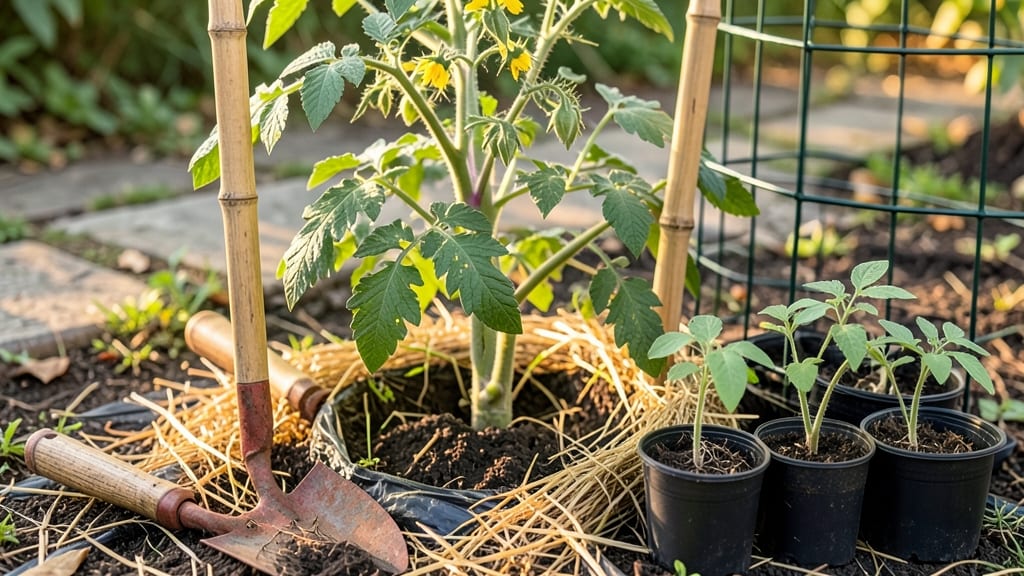
Missouri’s clay-heavy soils can stay cold longer, so consider using black plastic mulch to raise soil temperatures by 5–10°F. This trick is a game-changer for extending your planting window in cooler microclimates.
Pro tip: Use Missouri’s frost-free date maps from the Missouri Botanical Garden or Almanac to pinpoint your exact last frost date. For instance, Kansas City typically sees its last frost around April 20, while St. Louis averages April 10.
Adjust your timeline accordingly—planting too early in northern Missouri can mean frost-killed seedlings.
Heat-loving tomato varieties like ‘Celebrity’ or ‘Better Boy’ thrive in Missouri’s summer heat but need a long, warm season.
If you’re in a shorter-season area, opt for early-maturing varieties like ‘Stupice’ (60 days) or ‘Mountain Merit’ (70 days) to maximize your harvest before the first frost in mid-October.
Missouri’s humidity and summer storms also influence planting. Avoid transplanting during rainy periods, as soggy soil can lead to root rot. Instead, choose clear, sunny days with mild temperatures (60–75°F) for the best transplant shock recovery. Your goal? Get those roots established before the July heatwave hits.
Finally, don’t overlook microclimates. A south-facing wall or raised bed can warm up faster than open ground, allowing you to plant 1–2 weeks earlier. Conversely, low-lying areas or northern exposures may need a delayed start. Always scout your garden for these nuances before setting your calendar.
Missouri Zone 5b tomato planting deadlines: frost dates and heat requirements
Missouri’s Zone 5b climate demands precision when planting tomatoes—timing can mean the difference between a bountiful harvest and frost-killed seedlings.
The average last frost date hovers around April 15, but this varies yearly, so always check local forecasts or use the USDA Plant Hardiness Zone Map for your specific county. Tomatoes thrive best when transplanted after soil temperatures consistently reach 60°F, typically by late April or early May.
Missouri’s spring soil warming is slower than Southern states, so don’t rush planting. Cold soil delays germination and weakens young plants. Use black plastic mulch or row covers to accelerate warming by 2–3 weeks.
For direct sowing, wait until May 15–31 when nighttime temperatures stabilize above 50°F, reducing frost risk.
| Stage | Action | Missouri Timeline |
|---|---|---|
| Indoor Seed Start | Sow seeds 6–8 weeks before last frost | February 15–March 15 |
| Hardening Off | Acclimate seedlings to outdoor temps | Late March–Early April |
| Transplant Outdoors | After soil reaches 60°F and last frost | April 30–May 15 |
| Direct Sowing | For late varieties, sow after May 15 | May 31–June 15 |
Missouri’s microclimates add another layer of complexity. Urban areas like St. Louis often warm up faster than rural zones, while northern Missouri (e.g., Kansas City) may need to wait until May 1 for safety.
If you’re in doubt, opt for heat-tolerant varieties like ‘Celebrity’ or ‘Better Boy,’ which handle Missouri’s humidity and heatwaves better than delicate heirlooms.
Never plant tomatoes before the last frost date—even hardened seedlings can’t survive temperatures below 40°F. Use row covers or a cold frame for early starts, but remove them by late May to prevent overheating.
For succession planting, sow a second batch in early June to extend your harvest into October.
Missouri’s short growing season (only 165 frost-free days) means every day counts. Prioritize early-maturing varieties (60–75 days to harvest) like ‘Early Girl’ or ‘Stupice’ to maximize yield. Pair this with proper spacing (18–24 inches apart) and caging or staking to avoid disease from crowded foliage.
Pro tip: Monitor the National Weather Service’s Missouri frost predictions or use apps like PlantNet to track real-time soil temps. Adjust your planting window by 1–2 weeks if spring arrives late—your tomatoes will thank you with juicier, sweeter fruit! 🌿