
Plants
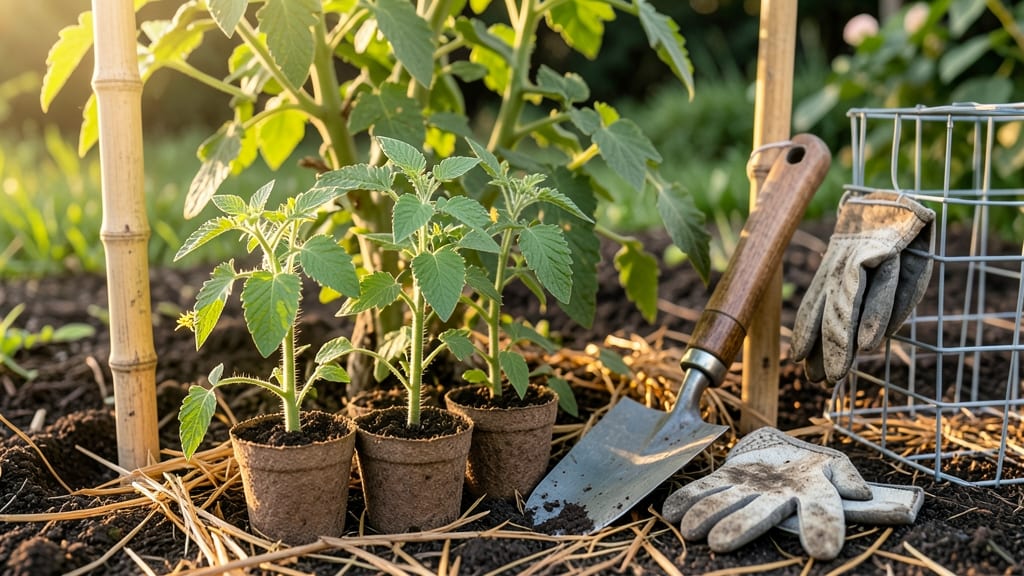
Timing when do you plant tomatoes in Pennsylvania can make or break your harvest—especially when unpredictable spring frosts lurk around every corner.
Whether you're a first-time gardener in Pittsburgh or a seasoned grower in Lancaster, getting those 🍅 seeds in the ground at the right moment is the key to avoiding wilting disappointment.
Pennsylvania's diverse climate zones (like 6a-7a) mean your neighbors might be harvesting while you're still waiting for warm soil. The average last frost date hovers around April 15, but that doesn't mean you should rush—soil temperature matters just as much as calendar dates.
Let's break down exactly when to start seeds indoors, transplant seedlings, and even stretch your season with smart timing.
You'll discover how to read your local frost maps, choose varieties that thrive in your zone, and use simple tricks like black plastic mulch to warm the soil faster. No more guessing games—just a clear, actionable timeline tailored to Pennsylvania's unique growing conditions. Let's get those tomatoes growing strong!
From early starts in zone 5 to late-season extensions in zone 7, we'll cover everything you need to know. Whether you're planting in raised beds or containers, these insights will help you maximize your harvest from June through October. Ready to turn your garden into a tomato powerhouse?
Pennsylvania tomato planting timeline by hardiness Zone (5, 6, and 7)
Pennsylvania spans USDA Zones 5-7, which means your tomato planting window can vary by 2-3 weeks depending on where you live. In Zone 5 (like Erie or State College), you’ll need to wait longer for warm soil, while Zone 7 (like Pittsburgh or Philadelphia) offers a longer growing season.
The key is planting after your average last frost date, but also ensuring soil temperatures hit 60°F (15°C)—cold soil stunts tomato growth.
Most Pennsylvania gardeners aim to transplant seedlings 2-4 weeks after the last frost, but starting indoors in March gives you a head start. If you’re growing from seed, begin them 6-8 weeks before your target transplant date.
For example, Zone 5 gardeners might start seeds by March 15, while Zone 7 can wait until April 1. Always check your local NOAA frost maps for precise dates—spring in PA can be as unpredictable as a Philadelphia snowstorm!
Here’s how to align your planting with Pennsylvania’s zones, including microclimate tips for urban vs. rural areas:
If you’re in a Zone 5 area like Erie, consider starting heat-loving varieties like ‘Celebrity’ or ‘Early Girl’ indoors by March 1 to beat the short season.
For Zone 7, you can even squeeze in a fall crop by planting heat-tolerant types like ‘Solar Fire’ or ‘Heatmaster’ in July—they’ll ripen before frost hits in October.
Pro tip: Use a soil thermometer to confirm readiness. Tomatoes won’t thrive in soil below 55°F (13°C), even if daytime temps are warm. If your soil is still chilly, opt for cold-tolerant varieties like ‘Stupice’ or ‘Mountain Merit’—they handle cooler temps better than standard varieties.
For container growers, Zone 6 and 7 gardeners can plant 1-2 weeks earlier since pots warm up faster. Just ensure your containers are at least 12 inches deep and use fast-draining mix to prevent root rot.
Place them in south-facing spots and move them indoors if a late frost is forecasted.
Remember: Pennsylvania’s first frost typically arrives between October 15–30, depending on the zone. To maximize your harvest, choose determinate varieties (bush types) for early planting—they ripen faster and handle cooler temps better than indeterminate vining types, which need more heat and time.
Always monitor local weather updates, especially if you’re in a transition zone like the Poconos (Zone 5/6) or Delaware Valley (Zone 7). A sudden cold snap can devastate young plants, so have row covers or a greenhouse ready to protect your investment.
🌱
Best tomato varieties for early vs. late planting in Pennsylvania
Choosing the right tomato varieties for Pennsylvania’s unpredictable climate can make or break your harvest. Early plantings in USDA Zone 5 (like Erie) need cold-tolerant types, while Zone 7 (like Pittsburgh) benefits from heat-resistant hybrids.
Matching your variety to your planting window ensures you avoid late frosts or summer wilting.
For early spring plantings (March–April), opt for determinate varieties like 'Stupice' or 'Mountain Merit'. These bush types handle cooler soils and light frosts better than their indeterminate cousins.
In Zone 6 and 7, you can push the envelope with 'Sungold' or 'Celebrity'—both thrive when planted by May 1.
| Variety | Type | Best Planting Window | Days to Harvest | Notes |
|---|---|---|---|---|
| Stupice | Determinate | March 20–April 15 | 60–70 | Cold-hardy, great for Zone 5 |
| Mountain Merit | Determinate | April 1–May 1 | 65–75 | Resistant to early blight |
| Sungold | Indeterminate | May 1–June 1 | 60–65 | Sweet, heat-tolerant, needs staking |
| Celebrity | Indeterminate | April 15–May 15 | 70–80 | Disease-resistant, reliable |
| Brandywine | Indeterminate | May 15–June 1 | 80–90 | Heirloom, needs long season |
If you’re planting late in the season (June or later), prioritize fast-maturing varieties like 'Early Girl' or 'Patio'. These can produce fruit before first frost (typically mid-October) even in Zone 5.
For container growing, dwarf varieties like 'Tiny Tim' are ideal—they mature quickly and fit in 5-gallon pots.
Pro tip: Check your last frost date (use NOAA’s frost maps) and count backward from your variety’s days to harvest. For example, if your Brandywine needs 90 days and your frost date is October 15, plant by July 15 to avoid disappointment.
Always err on the side of earlier planting—tomatoes grow faster in warm soil than cool!
For succession planting, mix early and late varieties. Start with 'Stupice' in March, then add 'Sungold' in May for a continuous harvest from June through September. This strategy maximizes yield and minimizes blight risks from overcrowding.
Remember: Soil temperature matters more than air temperature. Use a soil thermometer to confirm 60°F+ before planting—cold soil delays germination and stunts growth. If your soil is still chilly in May, try black plastic mulch to warm it up faster.