
Plants
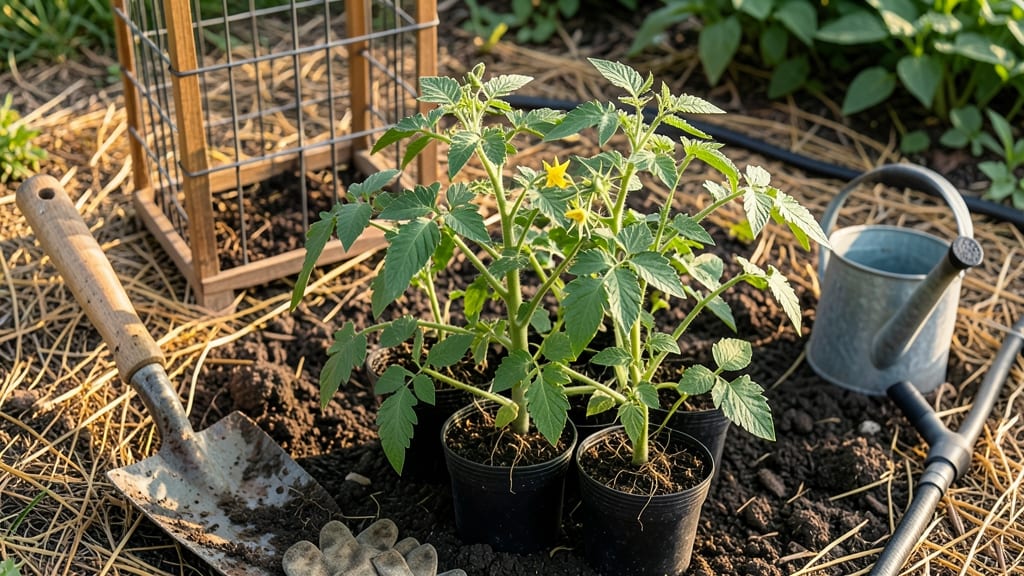
When do you plant tomatoes in Washington State isn't just about following a calendar—it's about outsmarting the state's wildly varying microclimates, from the Puget Sound's coastal mildness to the inland valleys where frost can linger well into May.
Plant too early, and your 🍅 seedlings could turn into a sad, icy snack; too late, and you'll miss the 75-day growing window for most varieties.
I've spent years watching Washington gardens thrive (or wilt) based on when they hit the dirt, and the difference between a bumper crop and a bust comes down to knowing your last frost date.
Whether you're in the USDA Zone 7 lowlands or the cooler Zone 5 highlands, the right timing ensures your plants have enough warmth to fruit before fall's chill sets in.
What you'll discover here are the exact planting windows for your specific elevation zone, plus pro tips to stretch your season with row covers or early starts indoors. No more guessing—just data-backed dates to help you grow tomatoes that rival the ones at your favorite farmers' market.
Let's dive into how to sync your planting schedule with Washington's unpredictable weather, so you can enjoy homegrown tomatoes from summer straight through fall—without the frost-related heartbreak.
Washington State tomato planting dates by elevation Zone and frost risk
Washington State’s varied geography—from the Puget Sound’s maritime climate to the Columbia Basin’s hot inland valleys—creates a patchwork of last frost dates that can confuse even seasoned gardeners. Tomatoes, being warm-season plants, need precise timing to thrive.
In Zone 7 (like Seattle), you might plant in early May, while Zone 3 areas (like Spokane) wait until late May or even June. Let’s break down the ideal transplant windows by elevation and microclimate.
First, know your USDA hardiness zone. Washington spans Zones 3-9, but elevation plays a bigger role than the zone number. A 1,000-foot increase can drop temperatures by 3-5°F, delaying your planting window by weeks.
For example, Mount Rainier’s foothills (Zone 5) have later frosts than Wenatchee’s orchards (Zone 6). Always check your local frost data—tools like the National Weather Service or Plant Maps provide hyper-local averages.
Here’s the critical rule: Plant tomatoes outdoors only after the average last frost date AND when soil temperatures reach 60°F. Cold soil stunts root growth, leaving plants vulnerable to blight and rot. In coastal areas, this might be March-April, while inland zones often wait until May.
If you’re seed-starting indoors, begin 6-8 weeks before your last frost date to ensure seedlings are robust enough for transplanting.
For Puget Sound gardeners (Zones 7-9), aim to transplant tomato seedlings between mid-April and early May. The San Juan Islands can start even earlier (late March), thanks to milder winters.
Meanwhile, Eastern Washington (Zones 4-6) should hold off until mid-May to June, especially in Palouse or Okanogan regions where late frosts are common. Always have row covers ready—even a light frost can kill young plants.
Microclimates add another layer of complexity. A south-facing slope warms up faster than a north-facing valley, potentially shaving 2-3 weeks off your planting window. Urban areas like Spokane or Tacoma may experience heat islands, allowing earlier planting, while rural highlands (like Methow Valley) lag behind.
Use a soil thermometer—60°F is your magic number for safe transplanting.
| Region | USDA Zone | Avg. Last Frost | Ideal Transplant Window | Notes |
|---|---|---|---|---|
| Puget Sound (Seattle, Bellingham) | 7-9 | Mid-April | Late April - Early May | Coastal fog delays warming; use row covers. |
| Western Cascades (Olympia, Aberdeen) | 7-8 | Early May | Early May - Mid-May | Rainy season extends frost risk. |
| Eastern WA (Spokane, Wenatchee) | 4-6 | Mid-May | Late May - June | Late frosts common; choose cold-hardy varieties. |
| Columbia Basin (Pasco, Yakima) | 6-7 | Early May | Late April - Early May | Hot summers; prioritize shade cloth. |
| Mountainous Areas (Leavenworth, Stevens Pass) | 5-6 | Late May | June | Short season; opt for fast-maturing varieties. |
If you’re seed-starting indoors, begin 6-8 weeks before your last frost date. For Puget Sound gardeners, that’s late February to early March, while Eastern WA starts in March-April.
Use grow lights to prevent leggy seedlings—tomatoes need 14-16 hours of light daily. Harden off seedlings 1 week before transplanting by gradually exposing them to outdoor conditions.
Pro tip: Use a garden journal to track your local frost dates over years. In Spokane, for example, last frosts can vary by 2 weeks from year to year.
If you’re in a high-risk zone, consider starter plants from local nurseries—they’re already hardened off and ready to go. Just ensure they’re container-grown to avoid transplant shock.
For container gardening, timing shifts slightly. Potted tomatoes warm up faster, so you can plant 2-3 weeks earlier than in-ground plants. However, containers dry out quicker—water daily in summer. If you’re in Zone 7 or lower
How to adjust tomato planting for Washington’s unpredictable weather patterns
Washington’s weather can shift from chilly coastal breezes to sudden heatwaves in a single week, making tomato planting a delicate balancing act. If you miss the frost window or rush too early, your plants may bolt or freeze.
The key is flexibility—adjusting for your microclimate and using tools like row covers or cold frames to extend your season.
Start by checking your soil temperature—tomatoes need soil at at least 60°F to thrive. Use a soil thermometer in the morning; if it’s cooler, wait a few days or use black plastic mulch to warm the soil faster.
In Zone 7-8 (Eastern WA), this might mean delaying planting until early June, while Zone 6-7 (Western WA) gardeners can plant as early as mid-April in sheltered spots.
For areas prone to late frosts (like the Cascade foothills), opt for fast-maturing varieties like 'Early Girl' or 'Stupice'—they can produce fruit in 55-60 days, giving you a harvest before fall chill sets in.
Pair these with floating row covers to protect young plants from unexpected cold snaps. Remove the covers once flowers appear to prevent heat stress.
Late Frost Warning
If your area has a history of late spring frosts (like the Columbia Basin or Palouse), avoid planting tomatoes outdoors before May 15th. Instead, start seeds indoors 8-10 weeks early and use grow lights to harden them off. Transplant only after the average last frost date has passed—check local Cooperative Extension Service records for your exact zone.
Pro tip: Plant basil or marigolds nearby—their scent deters pests and masks the tomato’s aroma, reducing damage from hornworms during unpredictable weather swings.
In cooler microclimates (e.g., San Juan Islands or Mount Rainier foothillscontainer gardening with heat-loving varieties like 'Solar Fire' or 'Heatmaster.' Move pots to sheltered, sunny spots during the day and bring them indoors or under covers at night if temperatures dip below 50°F.
This gives you 3-4 extra weeks of growing time.
Watch for early heatwaves, too—tomatoes in Zone 9 (Southwest WA) can suffer from blossom drop if daytime temps exceed 90°F. Provide afternoon shade with shade cloth or plant tall crops (like corn or sunflowers) as windbreaks.
Mulch heavily with straw or wood chips to keep roots cool and retain moisture during dry spells.
Finally, keep a planting journal to track what works in your yard. Note the exact dates you planted, any weather anomalies, and which varieties performed best.
Over time, you’ll fine-tune your schedule to Washington’s quirks—because while the official frost dates are a great starting point, your local microclimate is the real boss.