
Vegetables
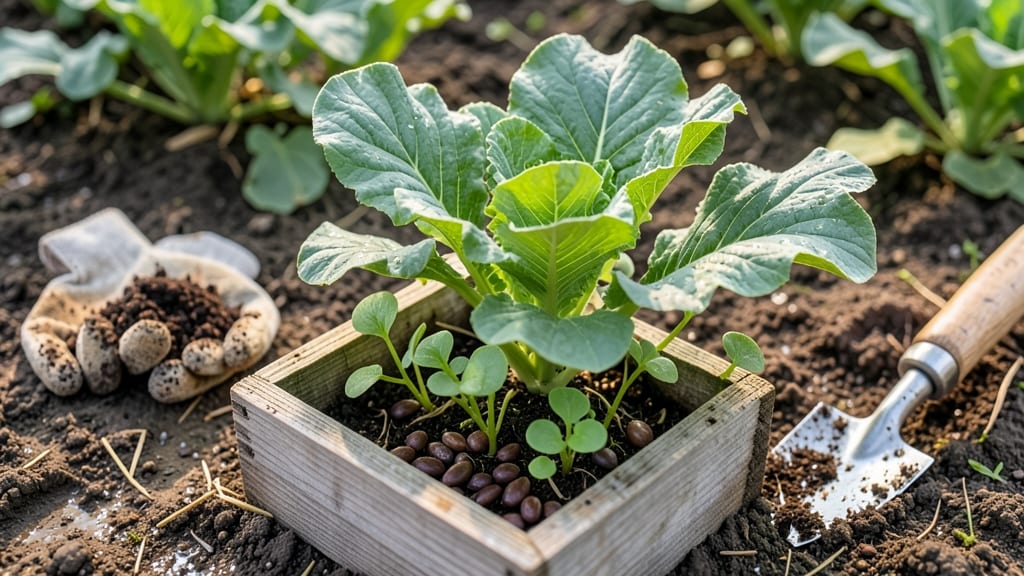
Planting turnips in the fall can mean the difference between sweet, crisp roots and bitter disappointment—but getting the timing right is easier than you think. With just 4-6 weeks before your first frost, you can grow 🥕 turnips that outshine spring harvests in flavor and texture.
In USDA Zone 6a, where many gardeners live, that means starting seeds around September 15th for a harvest in October-November. The key is understanding how your local climate affects growth, so you can avoid common mistakes like planting too late or too early.
I’ll walk you through the exact planting window, soil prep tips, and spacing tricks to maximize your yield—plus how to pair turnips with companion plants for a thriving garden. No more guesswork, just a foolproof plan for a crisp, flavorful harvest.
Whether you’re a seasoned gardener or just starting, these insights will help you grow turnips that taste like they came straight from a farmers' market. Let’s get your fall garden on track for success!
Fall turnip planting timeline by USDA Zone: weeks before first frost
Timing your turnip planting is everything for fall harvests. Plant too early, and you’ll get bolting (bitter greens). Too late, and roots won’t mature before frost. Aim for 4-6 weeks before your first frost date—this gives turnips 60-80 days to grow sweet, crisp roots.
Let’s break it down by USDA zone so you can set your calendar now.
Most gardeners in Zones 3-5 should plant by early September, while those in Zones 6-8 have until mid-October. The key is soil temperatures between 45-60°F—too warm, and seeds rot; too cold, and germination stalls. Check your local frost dates (find them via Almanac.com) and work backward from there.
Here’s how to adjust for your zone—plus which turnip varieties thrive in cooler weather:
| USDA Zone | Planting Window | Soil Temp (°F) | Best Varieties | Frost Tolerance |
|---|---|---|---|---|
| 3-4 | Late August - Early September | 50-60°F | 'Purple Top White Globe', 'Tokyo Cross' | Moderate (harvest before hard frost) |
| 5-6 | Early September - Mid-September | 45-55°F | 'Hollow Crown', 'Shogoin' | High (roots sweeten with frost) |
| 7-8 | Mid-September - Early October | 55-65°F | 'Golden Ball', 'Ruby Globe' | Moderate (cover with row fabric if needed) |
| 9-10 | Early October - Mid-October | 60-70°F | 'Seven Top', 'White Egg' | Low (harvest before 32°F) |
Pro tip: Use row covers or cold frames to extend your planting window by 2-3 weeks in cooler zones. This lets you squeeze in a second planting if your first batch bolts early. Just remove covers during the day to prevent overheating.
For container gardening, choose compact varieties like 'Tokyo Cross' and plant in 5-gallon pots with well-draining soil. Containers warm up faster, so you can plant slightly later than in-ground gardens—just monitor soil temps with a soil thermometer.
If you’re in Zone 11 or warmer, skip fall turnips—they need cooler temps to thrive. Instead, try spring planting or focus on frost-tolerant greens like kale. The same goes for high-altitude gardens (above 5,000 ft)—plant 1-2 weeks earlier to account for cooler nights.
Remember: Turnip greens are edible too! If roots get too woody, harvest the leaves first—they’re packed with nutrients and add a peppery kick to salads. Just thin seedlings to 2-4 inches apart to avoid competition.
Now that you’ve got your planting timeline locked in, let’s talk about how to maximize your yield—including succession planting and soil prep tips to keep turnips sweet and crisp until frost.
How to time your last fall turnip planting for maximum yield
Timing your last fall turnip planting isn’t just about avoiding frost—it’s about stretching your harvest window as long as possible. The secret? Succession planting and choosing the right frost-tolerant varieties.
If you plant your final batch just 3-4 weeks before frost, you’ll still get tender roots, even if temps dip below freezing. Let’s break down the best strategies to keep your turnips crisp and sweet until the last possible moment.
Start by selecting cold-hardy varieties like 'Tokyo Cross' or 'Purple Top White Globe'. These hold up better in chilly soil and won’t bolt prematurely. For Zone 5-7 gardeners, aim to plant your last batch by mid-October—this gives turnips 45-60 days to mature before hard frost.
In warmer zones (8-10), you can push it to late October, but monitor weather forecasts closely.
Here’s how to maximize your yield with succession planting and soil prep:
- 📅 Plant in Staggered Rows: Sow seeds in 2-week intervals starting 6 weeks before frost. This ensures a continuous harvest until the first hard freeze.
- 🌱 Choose Compact Varieties: 'Tokyo Cross' and 'Shogoin' mature faster (45-50 days) and handle cooler temps better than larger types.
- 💧 Water Deeply Before Frost: A deep soak 2-3 days before frost helps roots sweeten naturally—a process called vernalization.
- ❄️ Use Row Covers for Extra Protection: Lightweight fabric extends harvest by 1-2 weeks in zones with light frosts (28-32°F).
- 🌿 Harvest Greens First: If roots get woody, snip the greens (they’re edible!) to reduce competition and extend the plant’s life.
For container gardeners, opt for 5-gallon pots with well-draining soil and plant your last batch 1 week later than in-ground gardens—containers stay warmer. Add a mulch layer (straw or leaves) to insulate roots and prevent soil temp swings. This simple trick can add 7-10 days to your harvest window.
One common mistake is over-fertilizing late in the season. Too much nitrogen promotes leafy growth at the expense of root development. Instead, use a light balanced fertilizer (5-10-10) 4-6 weeks before harvest to boost root size without bitterness.
And always water in the morning to reduce fungal risks from evening moisture.
If you’re in a short-season zone (like Zone 3-4), focus on fast-maturing varieties (45-50 days) and prioritize early September plantings. Pair turnips with companion plants like lettuce or radishes—they thrive in the same conditions and won’t compete for nutrients.
Just avoid planting near cabbage family plants, which can cross-pollinate and affect flavor.
With these strategies, you’ll enjoy crisp, sweet turnips straight from your garden until the first hard frost. And if a late freeze sneaks in? Don’t worry—turnips store well in the fridge for up to 2 weeks, so you’ll still have homegrown goodness to enjoy.