
Planting
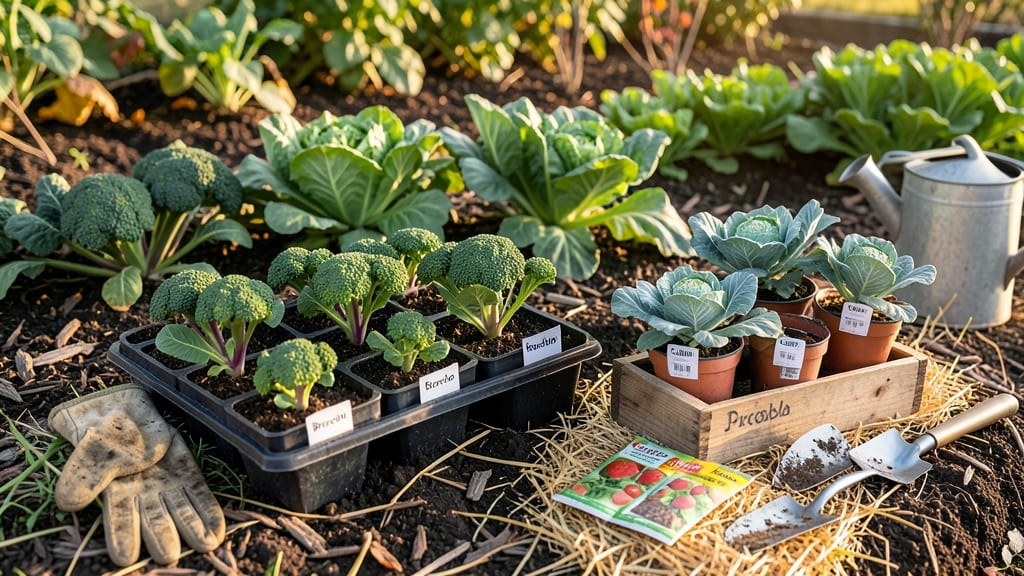
If you’ve ever stared at your Florida garden in late summer and wondered when to plant a fall garden in Florida, you’re not alone—timing is everything in this state’s unpredictable climate.
The key isn’t just avoiding summer’s scorching heat but also working with Florida’s unique growing seasons to maximize your harvest before winter sets in.
Most gardeners assume fall planting means waiting for cooler weather, but in Florida, the real secret is starting late summer—when soil temperatures begin to drop just enough to give seedlings a fighting chance.
This isn’t about rushing; it’s about strategic planning to beat the heat while still giving plants 60-90 days to mature before the first frost sneaks in.
I’ve spent years testing what works in Florida’s zones, and the best window is mid-August to early September for most regions. But here’s the catch: your exact timing depends on where you live—North Florida’s cooler nights vs. South Florida’s lingering humidity can shift your schedule by weeks.
In this guide, I’ll break down the exact months to plant, the heat-tolerant crops that thrive in Florida’s “summer hangover,” and how to prep your soil for success. Let’s turn your fall garden into the easiest (and most rewarding) harvest of the year.
Best months to plant a fall garden in Florida (by region)
Florida’s fall garden success hinges on timing—especially since the state’s three distinct climate zones (North, Central, South) experience wildly different heat tolerance thresholds and first frost dates. While South Florida might still feel like summer in October, North Florida could see frost by December.
Getting this right means avoiding heat stress in seedlings while ensuring crops mature before winter chill sets in.
Your planting window starts as early as late July in South Florida but waits until late August in North Florida. The key is watching soil temperatures—ideal planting occurs when they drop below 85°F but stay above 60°F.
This balance prevents seedling shock while allowing roots to establish before cooler weather arrives.
Here’s the region-by-region breakdown you need to nail your fall garden’s timing:
| Region | USDA Zone | Best Planting Window | First Frost Avg. | Key Heat Tip |
|---|---|---|---|---|
| North Florida (Jacksonville, Gainesville) | 8a-9a | Late August–Early September | Mid-November | Wait until soil temps < 80°F |
| Central Florida (Orlando, Tampa) | 9a-10a | Early August–Mid-September | Late November | Use shade cloth for early starts |
| South Florida (Miami, Fort Lauderdale) | 10a-11a | Late July–Early October | Rare (Dec. possible) | Prioritize heat-tolerant varieties |
For North Florida, aim to have leafy greens and root vegetables established by mid-September so they mature before the November frost.
In Central Florida, you’ve got a slightly longer window—broccoli and cauliflower can handle a late start, but spinach needs to be in by early September.
South Florida gardeners have the luxury of extended growing seasons, but don’t be fooled—September heat waves can still stress young plants. I recommend starting heat-tolerant varieties like Malabar spinach or Okinawan sweet potato as early as late July to beat the worst of the summer heat.
Pro tip: Use a soil thermometer to track temperatures. Plant when readings consistently stay between 60°F–75°F during the day. This window ensures root development without heat stress, setting your garden up for success as temperatures drop.
If you’re in Zone 9b or warmer, you can even squeeze in a second planting of fast-maturing crops like bush beans or radishes in October. Just monitor weather forecasts for unseasonal cold fronts, which can sneak up even in South Florida.
Remember, succession planting is your friend in Florida’s unpredictable climate. Stagger plantings every 2–3 weeks to extend your harvest window.
For example, plant lettuce in August, then again in September, and once more in October—this way, you’ll have a continuous supply instead of one big harvest followed by a lull.
🌱
Heat-tolerant fall vegetables that thrive in Florida’s summer hangover
Not all fall vegetables can handle Florida’s lingering summer heat, but the right heat-tolerant varieties make all the difference. The key is choosing crops that mature quickly—60–90 days—while withstanding 85°F–90°F soil temperatures.
These varieties thrive when planted in late summer, giving them time to establish roots before cooler weather arrives.
My top picks for Florida’s fall garden include Malabar spinach, Okra, and Sweet Potatoes, all of which handle humidity and heat better than traditional cool-season crops. These plants not only survive but thrive in Florida’s unique climate, rewarding you with bountiful harvests even as temperatures dip.
| Variety | Days to Maturity | Best Planting Window | Spacing | Heat Tolerance |
|---|---|---|---|---|
| Malabar Spinach | 50–60 days | Late July–Early Sept. | 12–18 inches apart | Excellent (90°F+) |
| Okra | 50–65 days | Early Aug.–Mid-Sept. | 12–18 inches apart | Very High (95°F+) |
| Sweet Potatoes | 90–120 days | Late July–Early Aug. | 12–18 inches apart | High (85°F+) |
| Bush Beans | 50–60 days | Early Sept.–Mid-Oct. | 4–6 inches apart | Good (80°F+) |
| Collard Greens | 60–75 days | Late Aug.–Early Sept. | 12–18 inches apart | Moderate (85°F) |
For South Florida, I recommend starting Malabar spinach and Okra as early as late July to avoid the worst heat. These varieties not only tolerate heat but also continue producing well into fall, giving you a longer harvest window.
In North Florida, focus on collard greens and bush beans, which handle the cooler nights better while still thriving in daytime heat.
Pro tip: Always check seed packets for heat-tolerant labels. Some varieties, like ‘Georgia Southern’ collards or ‘Clemson Spineless’ okra, are specifically bred for Florida’s climate. These hybrids often outperform traditional cool-season crops, making them a must-have in your fall garden.
If you’re new to growing these crops, start with small batches to test your soil’s heat tolerance. For example, plant a few okra pods in shade cloth if your area experiences sudden heat spikes. This way, you can monitor their progress without risking a total loss.
🌿