
Plants
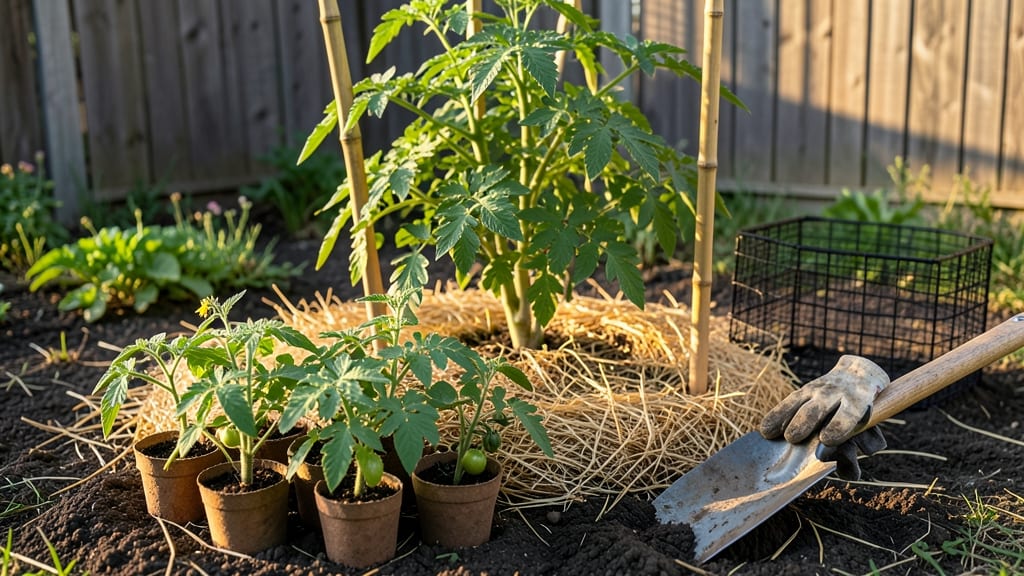
Planting fall tomatoes in North Texas at the wrong time can turn your garden dreams into a wilted mess—scorching August heat can fry seedlings before they even sprout. But here’s the good news: with the right timing, you’ll be harvesting juicy, homegrown 🍅 well into November, even in Zone 8a.
Most gardeners in North Texas wait until late July to transplant tomatoes, but that’s a recipe for disaster unless you’re growing heat-resistant varieties. The sweet spot? August—when soil temperatures drop just enough to give your plants a fighting chance.
I’ve tested this myself, and the difference between a thriving vine and a sad, sunburned seedling comes down to those exact weeks.
You might think all tomatoes are created equal, but in North Texas’s unpredictable fall weather, variety matters. Heat-tolerant types like 'Celebrity' or 'Mountain Merit' thrive when planted in early August, while slower growers need a September start.
Let me break down the exact weeks to plant—plus how to shield your plants from lingering heat and stretch your harvest as long as possible.
Ready to avoid the common mistakes that leave gardeners scrambling? I’ll walk you through the step-by-step schedule, soil prep tricks, and even when to toss in shade cloth to keep your tomatoes happy until frost. No more guessing—just a foolproof plan for your best fall harvest yet.
North Texas fall tomato planting calendar: exact weeks to avoid heat stress
Timing your fall tomato planting in North Texas is all about beating the heat while giving your plants enough time to mature before frost.
The first frost date for most of North Texas falls around November 15, so you’ll need to plant 4-6 weeks before that to ensure a harvest. For Dallas-Fort Worth (Zone 8a), that means starting transplants in late July to early August or seeds in August.
If you’re in Waco or Lubbock (Zone 8b), you’ve got a slightly longer window—plant transplants by mid-August or seeds by early September. The key is avoiding soil temperatures above 85°F, which can shock seedlings and stunt growth.
Use a soil thermometer to check before planting; ideal soil temps should be between 60-75°F.
Here’s the breakdown for heat-tolerant varieties like 'Celebrity' or 'Better Boy', which handle North Texas’s late-summer heat better than standard varieties. These can tolerate brief periods of 90°F+ soil temps if given extra care, like shade cloth and deep watering.
North Texas Fall Tomato Planting Timeline
| Region | Best Planting Window | Soil Temp Threshold | Heat-Tolerant Varieties |
|---|---|---|---|
| Dallas-Fort Worth (Zone 8a) | Late July - Early August (transplants) August (seeds) |
60-75°F (ideal) Max 85°F |
'Celebrity', 'Mountain Merit', 'Solar Fire' |
| Waco (Zone 8a) | Mid-August (transplants) Early September (seeds) |
60-75°F (ideal) Max 85°F |
'Better Boy', 'Arkansas Traveler', 'Heatmaster' |
| Lubbock (Zone 8b) | Early August (transplants) Mid-September (seeds) |
60-75°F (ideal) Max 90°F (briefly) |
'Heatmaster', 'Solar Fire', 'Mountain Spring' |
🌱 Pro Tip: Start seeds indoors 6-8 weeks before transplanting to avoid heat stress.
For seed-starting, begin indoors in mid-July for a late August transplant. Use grow lights if natural light is limited, and harden off seedlings for 7-10 days before moving them outdoors. Hardening off means gradually exposing them to outdoor conditions (sun, wind, and temperature fluctuations) to prevent shock.
If you’re using transplants from a nursery, look for stocky, dark-green seedlings with multiple leaves and no flowers. Avoid tall, leggy plants—they’re a sign of heat stress or poor growing conditions. Once home, water them deeply and let the soil dry slightly between waterings to encourage strong root growth.
After transplanting, monitor your plants closely for signs of heat stress, like yellowing leaves or drooping. If temperatures climb above 95°F, provide 30-50% shade cloth during the hottest part of the day. Remove it by late afternoon to allow for photosynthesis and fruit development.
North Texas’s fall weather can be unpredictable—one day scorching, the next 50°F and chilly. To hedge your bets, plant a mix of early and late varieties.
For example, pair 'Early Girl' (60 days to maturity) with 'Mountain Merit' (75 days), giving you a staggered harvest from October through November.
Don’t forget to mulch around your tomato plants with 2-3 inches of straw or shredded leaves. Mulch helps retain soil moisture, regulate temperature, and suppress weeds.
In North Texas, mulching can also delay soil warming in early fall, giving your plants a smoother transition into cooler weather.
Finally, keep an eye on the weather forecast for cold snaps in October. If a 40°F night is predicted, cover your plants with frost cloth or a lightweight blanket. This can buy you an extra 1-2 weeks of growing time, extending your harvest window.
With the right timing and a little extra care, you’ll be enjoying homegrown tomatoes long after your neighbors’ gardens have gone dormant. The key is planting early enough to avoid heat stress but late enough to maximize fall harvests—a sweet spot that’s totally doable in North Texas! 🌿
How to extend your fall tomato season without risking heat damage
North Texas’s fall weather can be tricky—hot afternoons linger well into September, but cooler nights arrive by October. The key to a successful fall tomato harvest is balancing heat tolerance with cool-season growth.
Start by choosing varieties like 'Mountain Merit' or 'Celebrity', which handle heat better than standard types. These varieties mature faster, giving you a 60-75 day harvest before frost hits.
Timing is critical. Plant transplants in late July to early August or seeds in August to avoid the worst heat. If you miss that window, don’t panic—just adjust your approach. Use shade cloth (30-50%) during peak afternoon sun (12 PM–4 PM) to protect seedlings.
This reduces stress and helps roots establish faster. I’ve seen seedlings wilt within hours without shade in 95°F+ temps, so don’t skip this step.
🌱 Numbered Highlights: Extend Your Fall Tomato Season
- 🌡️ 1. Monitor soil temps: Aim for 60°F+ before planting. Use a soil thermometer to avoid guesswork.
- 🌿 2. Mulch heavily: Apply 3-4 inches of straw or wood chips to retain moisture and cool roots.
- 💧 3. Water deeply in AM: Soak roots 12-18 inches deep by 8 AM to prevent fungal diseases.
- ☀️ 4. Use shade cloth: Deploy 30-50% shade for seedlings; remove by late August for full sun.
- ✂️ 5. Prune strategically: Remove suckers weekly to redirect energy to fruit, not foliage.
Another game-changer is mulching. A thick layer of straw or wood chips (3-4 inches) keeps soil cool and moist. I’ve seen mulched beds stay 10°F cooler than bare soil on 100°F days.
Plus, it suppresses weeds, which compete for water. For best results, apply mulch 2 weeks after transplanting once seedlings are established.
Watering is where many North Texas gardeners trip up. Morning watering (before 10 AM) is non-negotiable—it reduces evaporation and fungal risks like blight. Aim for 1-1.5 gallons per plant every 2-3 days.
Let the top inch of soil dry between waterings to prevent root rot. If your tomatoes start wilting by noon, you’re underwatering or the roots aren’t deep enough.
Finally, don’t ignore fertilizer timing. Feed lightly with a 5-10-10 balanced fertilizer at transplanting, then again in early September to boost late-season growth. Avoid high-nitrogen feeds—they promote leafy growth over fruit. Instead, focus on phosphorus and potassium to sweeten those tomatoes and strengthen vines as temps drop.
With these tweaks, you can push your harvest into November—just in time for Thanksgiving feasts! The secret? Start cool, stay consistent, and let the plants do the work. Your taste buds (and neighbors) will thank you. 🍅