Plants
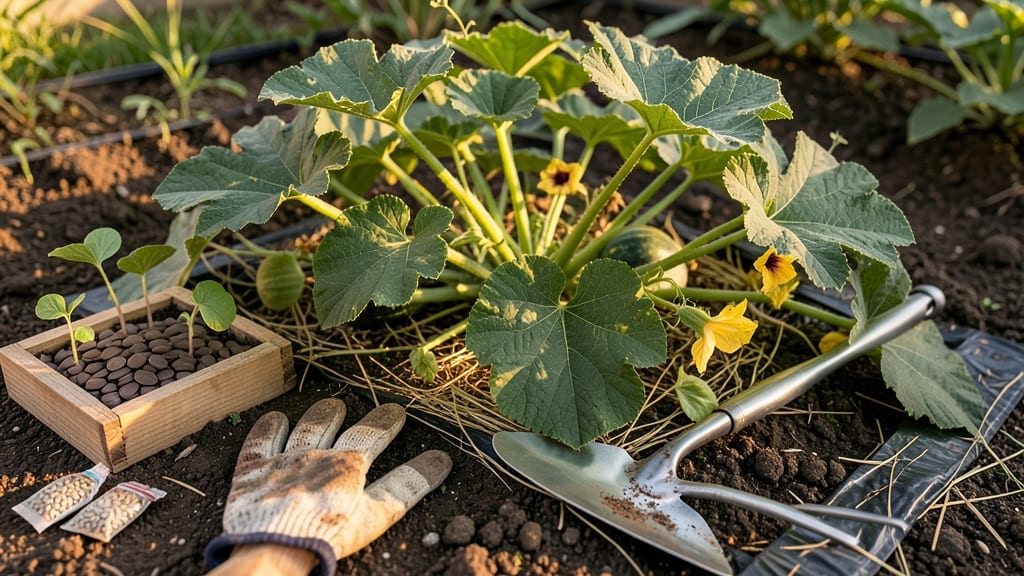
Best planting weeks in Florida for watermelon success (by region)
Florida’s frost-free climate gives watermelons flexibility, but soil temperature and heat tolerance still dictate the best planting windows. Unlike northern states, you can grow watermelons in spring, summer, and fall—but timing affects sweetness, yield, and survival. Let’s break it down by region to avoid bitter fruit or stunted growth.
In North Florida (USDA Zones 8a-9a), like Jacksonville or Tallahassee, light frosts can still occur in December, so spring planting is critical. For Central Florida (Zones 9a-9b), including Orlando and Tampa, the window is wider.
And in South Florida (Zones 10a-11), you can plant almost year-round—but summer’s intense heat demands extra care.
🚨 NON-NEGOTIABLE: Wait until soil reaches 70°F+—use a soil thermometer to check. Cold soil delays germination and invites fungal diseases. Black plastic mulch warms soil faster, giving you a 2-week head start.
| Region | Best Planting Weeks | Soil Temp Goal | Harvest Window | Key Tip |
|---|---|---|---|---|
| North Florida (Zones 8a-9a) | Mid-February to Mid-March (spring) Late June to Early July (fall) |
70°F+ | May–July (spring) September–October (fall) |
Use row covers for early spring to protect from light frosts. |
| Central Florida (Zones 9a-9b) | Late January to Early February (spring) Early July to Mid-July (fall) |
70°F+ | April–June (spring) August–October (fall) |
Stagger plantings every 2 weeks for continuous harvests. |
| South Florida (Zones 10a-11) | December–January (winter) June–July (summer) |
75°F+ (summer) | February–April (winter) August–October (summer) |
Use shade cloth (30-50%) in peak summer to prevent heat stress. |
For summer planting, focus on heat-tolerant varieties like ‘Sugar Baby’ or ‘Crimson Sweet’. These handle Florida’s 90°F+ temps better than traditional types. Plant seeds ½-inch deep in hills spaced 3–4 feet apart to improve airflow and reduce disease pressure.
If you’re in North Florida, avoid planting after June 15—summer’s humidity and heat can cause powdery mildew or blossom-end rot. Instead, opt for a fall planting in late June for a cooler-season harvest.
In South Florida, winter plantings (December–January) thrive with warmer days and cooler nights, yielding sweeter fruit.
Pro tip: Direct-sow seeds instead of transplanting—watermelon roots are sensitive to disturbance, and seedlings struggle to recover. Use a seedling heat mat if starting indoors to speed up germination in cooler months.
🌱 Florida’s secret weapon? Black plastic mulch raises soil temps by 10–15°F, letting you plant 2–3 weeks earlier in spring or extend fall harvests by weeks. Just
For container growing, choose compact varieties like ‘Tiny Tim’ and plant in 5-gallon pots with well-draining mix. Containers dry out faster, so water daily in summer and move them to partial shade during 100°F+ days to prevent wilting.
How to extend your watermelon season in Florida (with exact timing adjustments)
Florida’s heat and humidity can make watermelon growing feel like a gamble—but with the right timing tweaks, you can enjoy sweet, juicy melons nearly year-round. The key lies in succession planting and heat management to avoid the brutal July-August slump when even soil temperatures can exceed 90°F.
By staggering plantings and using shade strategies, you’ll stretch your harvest from spring through fall without overcrowding your garden.
Start with your first planting in early February (North Florida) or mid-January (South Florida) for a spring harvest. Then, plant again in late June to avoid the worst summer heat and secure a fall harvest before cooler temps arrive.
This two-planting strategy ensures you’re never without fresh watermelons—and avoids the bitter, seedy fruit that results from heat stress.
🌱 Pro Tip: Use black plastic mulch to warm soil faster in spring or shade cloth (30-50%) in summer to protect young plants from intense afternoon sun. These small adjustments can mean the difference between healthy vines and wilting seedlings.
📌 5 Exact Timing Adjustments for Florida Watermelons
- 🌱 Plant #1: Mid-February to Mid-March (North FL) or Late January to Early February (Central/South FL) for spring harvest (May-July). Aim for soil temps of 70°F+—use a soil thermometer to confirm.
- ☀️ Plant #2: Late June to Early July for fall harvest (September-October). This avoids the peak summer heat (July-August) when fruit development stalls.
- 🌡️ Succession Plant: Add 1-2 more plantings every 3-4 weeks after your first batch to stagger harvests. Example: Plant again in early April and mid-June for continuous melons.
- 🪴 Use Containers: For small spaces, plant in 5-gallon buckets with black fabric to absorb heat. Move containers to partial shade during 10 AM–2 PM in summer.
- 💧 Adjust Watering: In summer, water daily at dawn (1–2 inches deep) to prevent blossom-end rot. In fall, reduce to every 3–4 days as temps drop.
Don’t overlook soil prep—watermelons thrive in well-draining, slightly acidic soil (pH 6.0–6.8). Before planting, mix in 2–3 inches of compost and a balanced fertilizer (10-10-10) to give vines the phosphorus they need for strong roots and potassium for sweet fruit.
In sandy Florida soil, add organic matter like aged manure or leaf mold to retain moisture.
For urban gardeners, consider dwarf varieties like ‘Sugar Baby’ or ‘Tiny Tim’, which mature in 60–70 days and handle container life better than sprawling types. These can be planted as late as early July for a small but reliable fall harvest.
Just ensure containers have drainage holes and are at least 12 inches deep to accommodate roots.
Finally, monitor for pests like cucumber beetles and squash vine borers, which thrive in Florida’s warm climate. Use row covers for young plants or apply neem oil weekly to keep them at bay.
With these adjustments, you’ll turn your Florida garden into a watermelon powerhouse—no frost, no stress, just sweet success. 🍉