
Plants
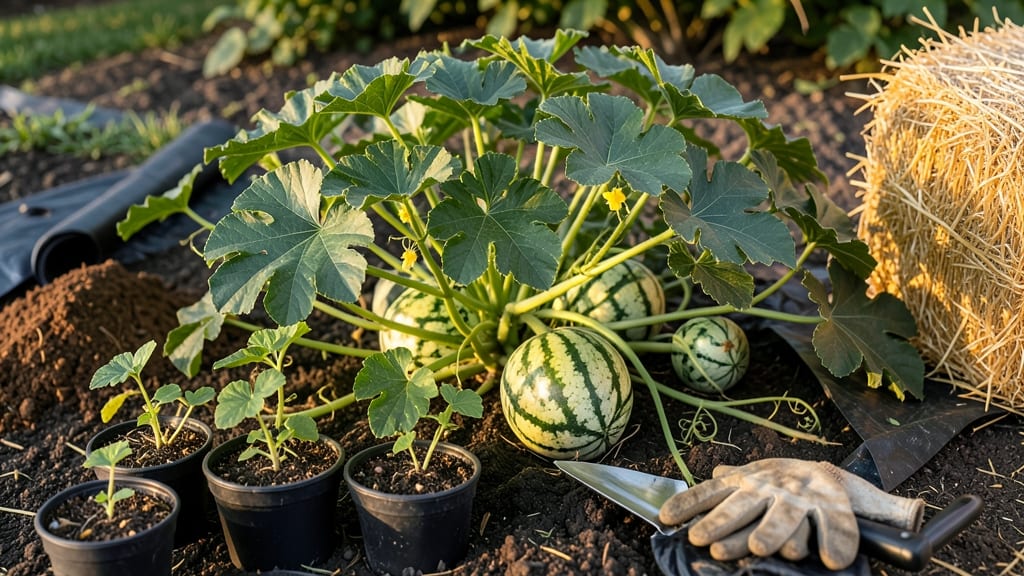
Planting watermelon in North Carolina at the wrong time can turn your summer dreams into a sad, wilted mess—especially when those 75-degree soil temperatures you crave arrive too late.
The key to juicy, vine-ripened fruit lies in knowing your exact zone and the fast germination window before the heat sets in.
Whether you're in the Coastal Plain, Piedmont, or Mountains, timing matters more than you think. I’ll break down the optimal planting dates for each USDA zone—from Zone 7b to Zone 8a—so you can avoid frost risks and maximize sweet harvests by late summer. No more guessing games.
You’ll also discover how to extend your growing season with clever tricks like row covers and heat-tolerant varieties, plus the one mistake that kills germination faster than a North Carolina thunderstorm. Let’s get those seeds in the ground right.
Ready to turn your garden into a watermelon paradise? The clock is ticking—literally. Dive in to learn the exact dates that’ll have your vines thriving and your table loaded with ripe, homegrown goodness.
North Carolina planting zones & exact watermelon seed dates for fast germination
North Carolina’s diverse climate—from the Coastal Plain to the Mountains—means watermelon planting dates vary by USDA zone. Watermelons thrive in zones 6b-8a, but timing is critical: seeds need soil temperatures above 70°F to germinate quickly.
Plant too early, and frost risks linger; too late, and summer’s heat arrives before harvest.
Most NC gardeners aim for late April to early June planting, but your exact window depends on elevation and microclimates. Coastal areas (like Zone 8a) can start earlier, while mountain regions (like Zone 6b) must wait until after the last frost—typically mid-May.
Always check your local NC State Extension frost dates for precision.
For fastest germination, use a soil thermometer to confirm temperatures. Watermelon seeds sprout best in 75–95°F soil. If your soil isn’t warm enough, consider black plastic mulch or a cold frame to accelerate warming. Transplants can handle slightly cooler soil (60°F+), but direct-sown seeds need warmth.
Here’s your zone-by-zone planting guide, including ideal transplant dates and frost risk analysis for NC’s three main regions:
If you’re direct-sowing seeds, wait until soil is consistently 70°F+—usually 2–4 weeks after your last frost date. For transplants, you can start earlier (as soon as soil is workable), but harden them off for 7–10 days before moving outdoors.
Pro tip: Use biodegradable pots to avoid root disturbance.
North Carolina’s humidity and summer heat can stress young plants, so prioritize well-draining soil and morning watering to prevent fungal diseases. Amend your soil with compost or aged manure before planting to boost nutrients—watermelons are heavy feeders and need phosphorus for strong vines and sweet fruit.
For mountain gardeners, consider succession planting every 2 weeks after your initial date to stretch your harvest. In coastal zones, you might even squeeze in a fall planting (late July) for a winter harvest, though yields will be smaller.
Always monitor 7-day forecasts for late frosts, especially in Zone 7a.
Local varieties like 'Crimson Sweet' (classic, heat-tolerant) or 'Black Diamond' (disease-resistant) perform well across NC. For shorter seasons, try 'Sugar Baby'—it matures in 70 days and handles cooler soils better than most varieties. Save seeds from your best melons for next year’s garden!
🌱
Pro tips to extend your watermelon growing season in North Carolina’s climate
North Carolina’s short growing season and unpredictable weather can challenge watermelon lovers, but with the right strategies, you can extend harvests and protect your plants. The key is balancing heat tolerance with frost protection—especially in USDA zones 6b-8a.
Start by choosing heat-tolerant varieties like ‘Crimson Sweet’ or ‘Sugar Baby’, which thrive in NC’s summer heat. These varieties mature faster, giving you a better chance to harvest before the first frost in fall.
🌱
For mountain regions (Zone 6b), consider container growing to move plants to warmer microclimates during cool snaps. In coastal areas (Zone 8a), focus on drought-resistant varieties like ‘Charleston Gray’ to handle humidity.
Finally, harvest early if frost threatens. Watermelons ripen unevenly—pick when the stem separates easily and the color deepens. Store unripe fruit in a cool, dark place to finish ripening indoors.
☀️