
Plants
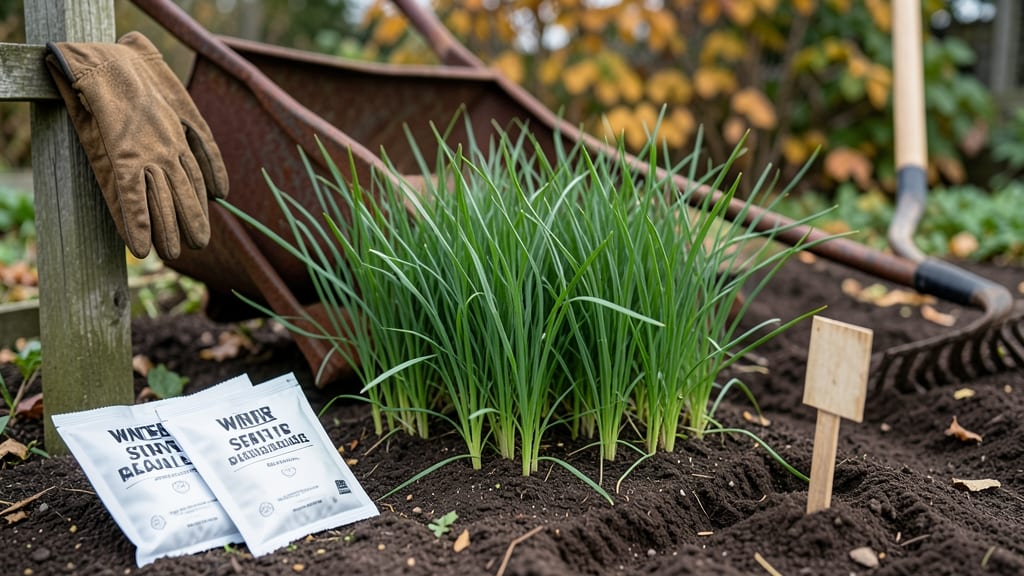
If you're asking "when do you plant winter rye in Texas", the answer isn't just about months—it's about beating the frost and setting your 🌾 winter rye up for success.
Texas' 8a-10b zones demand precision, because planting too early means wasted seed, while waiting too long risks weak winter survival.
For most Texas gardeners, the ideal window stretches from late August through October, giving the cover crop time to establish roots before the first frost hits.
North Texas growers should aim for early September, while South Texas can push planting closer to October—just be ready to protect young seedlings from unexpected cold snaps.
Why does timing matter so much? Winter rye thrives when planted 4-6 weeks before frost, which gives it time to grow a strong root system that will later protect your soil and improve its fertility.
In Texas' variable climate, this means checking your local frost dates and adjusting your schedule accordingly.
Whether you're using winter rye as a cover crop or forage, getting the timing right is the key to avoiding common mistakes that ruin growth. Let's break down exactly how to align your planting with Texas' unique seasonal patterns for maximum success.
Optimal planting months for winter rye in Texas regions
Texas' diverse climate means winter rye planting windows vary dramatically from North Texas to South Texas. In Zone 8a (North), aim for mid-August to early September—4-6 weeks before the first frost (usually December 1).
Meanwhile, Zone 10b (South) can plant until late October since frost rarely arrives before January 15.
For Central Texas (Zone 8b-9a), the sweet spot is late August through September. Check your local USDA frost map—planting too early risks excessive heat stress on seeds, while late planting may leave winter rye underdeveloped for frost protection.
Pro tip: Use the Texas A&M AgriLife Extension frost date calculator to pinpoint your exact planting window. For example, Dallas (Zone 8a) typically plants by September 15, while Austin (Zone 8b) can extend to October 1.
Soil temperature is critical—wait until soil temps drop below 80°F but stay above 50°F at night. Use a soil thermometer to monitor. In West Texas (Zone 8a), this often means planting by mid-September to avoid scorching heat.
| Texas Region | USDA Zone | Ideal Planting Window | First Frost Date | Key Consideration |
|---|---|---|---|---|
| North Texas (Dallas, Fort Worth) | 8a | Mid-August - Early September | December 1 | Plant 4-6 weeks before frost |
| Central Texas (Austin, San Antonio) | 8b-9a | Late August - October 1 | November 15 - December 15 | Soil temps must drop below 80°F |
| South Texas (Houston, Corpus Christi) | 9a-10a | Late August - Late October | January 15 (rare) | Extend window for winter forage |
| West Texas (Lubbock, Midland) | 8a | Mid-August - Mid-September | November 15 | Avoid extreme heat stress |
For cover crop purposes, prioritize planting by September 30 in most of Texas. This ensures 4-6 weeks of growth before frost, allowing winter rye to establish a dense root system that suppresses weeds and prevents erosion during winter rains.
In East Texas (Zone 8a-9a), where humidity is higher, plant by September 1 to avoid fungal diseases like leaf spot. The extra moisture can accelerate growth, but poor air circulation increases disease risk if planted too late.
Always test your soil pH (ideal range: 6.0-7.0calcareous soils common in North and West Texas, a pH test kit ($10 at garden centers) reveals if lime application is needed 2-3 weeks before seeding.
Remember: Winter rye thrives in cool weather but wilts in summer heat. Planting too early (before August 15) in South Texas risks heat stress, while late planting in North Texas may leave it vulnerable to winter dieback.
For forage production, extend your planting window to October 15 in Zone 9a-10a, but monitor soil moisture—drought conditions can stunt growth. In drizzly South Texas, winter rye may need drainage adjustments to prevent root rot.
Signs your Texas soil is ready for winter rye planting
Before planting winter rye in Texas, your soil must meet key conditions to ensure strong germination and growth. The first sign is soil temperature—ideal planting occurs when daytime temps drop below 85°F but nighttime temps stay above 50°F.
Use a soil thermometer ($15 at garden centers) to confirm these levels, especially in North and West Texas where heat lingers longer.
Next, check moisture levels. Winter rye thrives in consistently moist soil but won't tolerate soggy conditions. Stick your finger 2 inches deep—if the soil feels damp but not waterlogged, it's ready.
In South Texas, where drought is common, irrigate 2-3 days before planting to ensure proper moisture.
🌱Pro Tip: Texas' calcareous soils (common in North Texas) often need pH adjustment. Test your soil using a pH test kit—aim for a range of 6.0-7.0.
If your soil is too alkaline (pH >7.5), apply sulfur or peat moss 2 weeks before planting to lower the pH naturally.
- 1 Soil Temperature: Daytime below 85°F, nighttime above 50°F
- 2 Moisture Level: Damp but not waterlogged (2-inch deep test)
- 3 pH Balance: 6.0-7.0 (adjust with sulfur if too alkaline)
- 4 Weed Control: Tilled or mulched to reduce competition
- 5 Sunlight: Full sun (6+ hours/day) for optimal growth
Another critical sign is weed suppression. Winter rye competes poorly with weeds, so your planting area should be tilled or mulched 1-2 weeks before seeding.
In East Texas, where humidity fosters weed growth, consider applying a pre-emergent herbicide (like corn gluten meal) to give winter rye a head start.
Finally, ensure your planting area receives full sun (6+ hours/day). Winter rye may tolerate partial shade, but weak sunlight leads to stunted growth and poor frost protection. In urban gardens with limited space, prioritize south-facing plots where winter rye can access maximum sunlight.
Once these conditions are met, your Texas soil is primed for winter rye planting. The key is acting quickly—once soil temps drop below 50°F, germination slows dramatically.
Use a seed drill or broadcast spreader for even coverage, and lightly rake the seeds into the soil to ensure good seed-to-soil contact.
🌿Remember: In drought-prone areas like West Texas, irrigate immediately after planting to trigger germination. A light misting (¼ inch of water) keeps seeds moist until they sprout in 7-14 days.