
Flowers
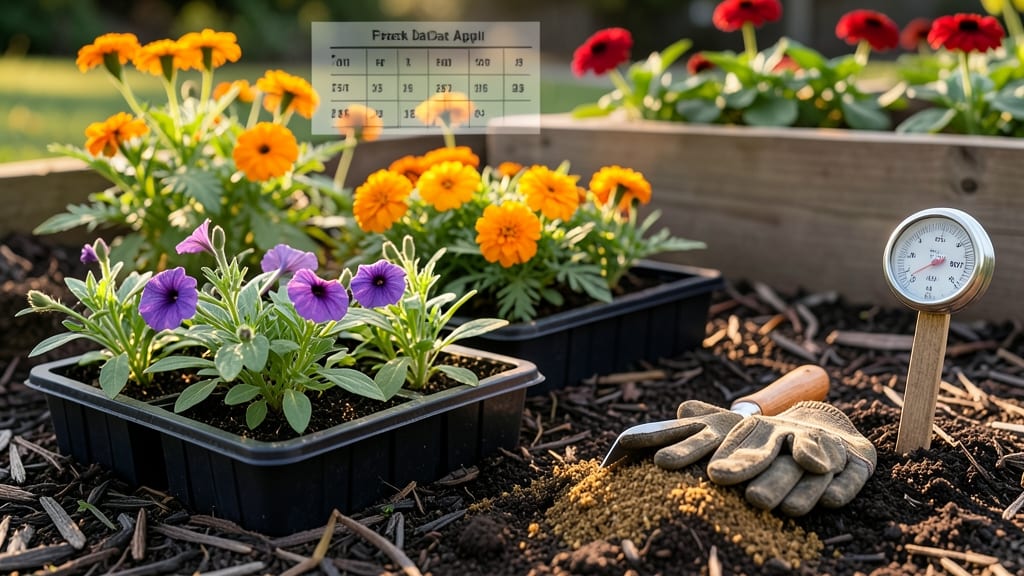
Knowing when is it safe to plant flowers in Ohio can mean the difference between a vibrant garden and a sad pile of frost-nipped petals. Ohio's spring weather is famously unpredictable, with late frosts that can sneak in even after the calendar says "spring."
For gardeners in USDA Zone 6a, timing is everything—especially when you're waiting for those 🌸 blooms to thrive. The average last frost date hovers around mid-April, but urban areas like Columbus may warm up faster than rural spots near Toledo.
That's why understanding your local microclimate is the key to planting with confidence.
In this guide, I'll walk you through Ohio's frost patterns, regional variations, and the best strategies to extend your growing season. Whether you're planting hardy annuals or delicate perennials, you'll learn exactly when to put those seeds in the ground for maximum success.
Ready to transform your garden into a blooming paradise? Let's dive into the data and tips that will have your flowers thriving all season long—without the frost-induced heartbreak.
Ohio’s 2024 frost dates by region: when to plant flowers safely
Ohio’s last spring frost can vary by 10-14 days depending on your location—from northern Cleveland to southern Cincinnati. These regional differences mean your tender annuals (like marigolds or impatiens) might be safe in one county but still at risk just 50 miles away.
To avoid frost damage, I’ll break down Ohio’s 12 key microclimates with average frost dates and planting windows tailored for flowers.
For cold-hardy perennials (e.g., coneflowers or black-eyed Susans), you can plant as early as late March in southern Ohio, but wait until mid-May in northern zones. Tender annuals like petunias or geraniums need to wait until after the last frost, typically mid-April to early May.
Always check your local USDA Hardiness Zone—Ohio ranges from 5b (north) to 7a (south)—to fine-tune your timing.
Pro Tip: Use the Ohio State University Extension’s Frost Date Calculator (link in resources) for your exact ZIP code. It accounts for elevation, urban heat islands, and historical data. For example, Toledo’s last frost averages April 20, while Columbus’s is April 10. A 5-day buffer after the average date adds extra safety for young seedlings.
🌸 Ohio Frost Dates & Flower Planting Windows by Region
| Region | Last Frost (Avg.) | First Frost (Avg.) | Safe Planting Window | Cold-Hardy Flowers | Tender Annuals |
|---|---|---|---|---|---|
| Northern Ohio (Cleveland, Toledo) | April 25–May 5 | October 10–20 | May 10–June 1 | Peonies, Lavender, Shasta Daisies | After May 15 |
| Central Ohio (Columbus, Dayton) | April 10–20 | October 5–15 | April 25–May 10 | Coneflowers, Black-Eyed Susans | After April 20 |
| Southern Ohio (Cincinnati, Lexington) | March 25–April 10 | October 1–10 | April 1–April 15 | Roses, Hydrangeas, Salvia | After March 30 |
| Appalachian Ohio (Athens, Zanesville) | April 5–15 | October 5–15 | April 20–May 1 | Hostas, Asters, Phlox | After April 25 |
🌡️ Note: Urban areas (e.g., Columbus) warm up 3–5 days earlier than rural zones due to heat islands.
If you’re planting bulbs like tulips or daffodils, the timing shifts slightly. Most bulbs should be planted in fall (October–November), but summer-blooming bulbs (like dahlias) need to wait until after the last frost in spring.
For these, use row covers if planting early to protect against late frosts.
For container gardens, you have more flexibility. Move pots indoors or to a garage or shed during cold snaps (below 40°F). Heat-loving flowers like geraniums or vinca can often survive one light frost if hardened off properly. Always check the back of
How to use frost dates to time your flower planting like a pro
Timing your flower planting in Ohio isn’t just about waiting for spring—it’s about reading the local microclimate and preparing your garden like a seasoned pro. I’ve learned that even a 1-2 week delay can mean the difference between vibrant blooms and frost-nipped failures.
Start by tracking your last average frost date (usually mid-April in most of Ohio) and adjust based on your specific zone.
For tender annuals like petunias or marigolds, wait until soil temperatures hit at least 60°F—use a soil thermometer to check! Hardier perennials, such as coneflowers or black-eyed Susans, can handle cooler soils, but even they thrive better when planted after the last frost risk has passed.
Here’s my foolproof method: mark your calendar for two weeks after the average last frost date. This buffer accounts for Ohio’s infamous late spring freezes—especially critical if you’re in Northern Ohio (e.g., Cleveland, Toledo) where frost lingers longer.
Pro tip: Sign up for local weather alerts from the National Weather Service or use apps like Old Farmer’s Almanac for real-time updates.
🌱 Numbered Highlights: Ohio Flower Planting Pro Tips
- 1. Test soil warmth: Use a soil thermometer—60°F+ signals safe planting for most flowers.
- 2. Choose cold-hardy varieties: Pansies, snapdragons, and calendulas tolerate light frosts.
- 3. Extend the season: Use row covers or cold frames to plant 2-4 weeks earlier.
- 4. Mulch strategically: Apply 2-3 inches of mulch after planting to insulate roots.
- 5. Monitor forecasts: Check 7-day forecasts before planting tender annuals.
Don’t overlook the power of heat zones—Ohio spans USDA Zones 5b to 6b, meaning Southern Ohio (e.g., Columbus, Cincinnati) enjoys a 2-3 week earlier planting window than Northern Ohio.
For example, I plant geraniums in early May in my Zone 6a garden, but my neighbor in Zone 5b waits until late May. Always verify your zone using the USDA Plant Hardiness Map.
Another game-changer? Hardening off seedlings if you’re starting indoors. Begin 10-14 days before transplanting by exposing them to gradual outdoor conditions (start with 1-2 hours/day in shade, then increase). This toughens young plants and reduces transplant shock—a common mistake that stunts growth.
Finally, keep a planting journal to track what works in your microclimate. Note which flowers thrive when planted early (like lupines or foxgloves) versus those that need warmer soil (like impatiens).
Over time, you’ll refine your timing like a pro, ensuring your Ohio garden blooms earlier and longer each season. 🌸