
Plants
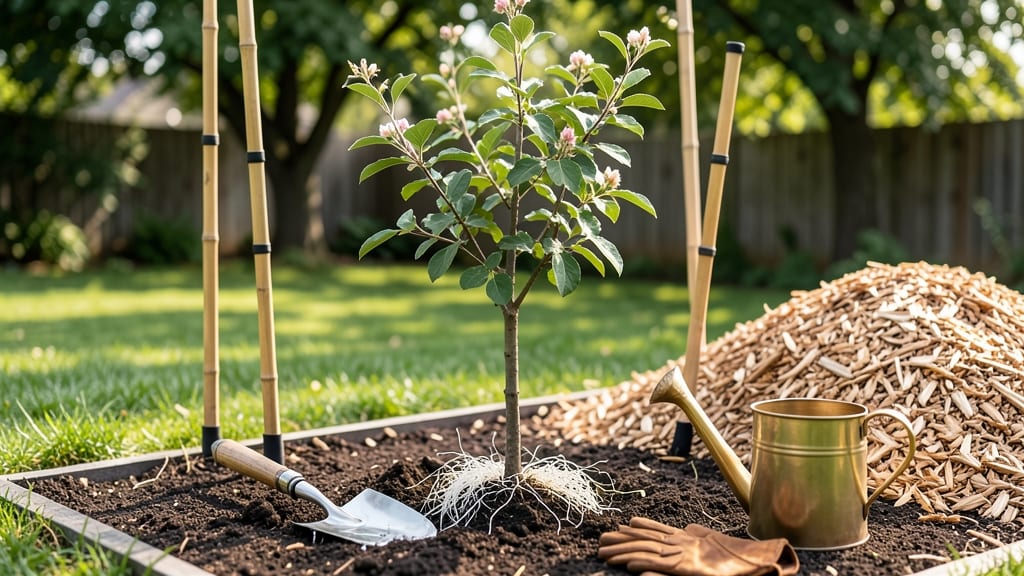
Planting a tree in Iowa at the wrong time can mean the difference between a thriving 🌳 and a struggling sapling—so timing is everything. With Iowa’s USDA Zone 5b climate, knowing exact frost dates and ideal planting windows is critical for success.
Most gardeners assume spring is the only option, but fall actually offers a better chance for root establishment before winter. The key is planting when soil temperatures are above 40°F but before the first frost, usually between early April and mid-May or September through October.
I’ll break down the best 6-week windows for your region, whether you’re in Des Moines, Sioux City, or Cedar Rapids, and share pro tips to avoid common mistakes. Ready to give your new tree the perfect start?
Let’s dive into the exact frost dates, soil prep secrets, and care routines that’ll set your 🌳 up for long-term success in Iowa’s unpredictable climate.
Iowa’s USDA Zone 5b planting windows: exact frost dates and optimal months for tree planting
Iowa’s USDA Zone 5b climate demands precision when planting trees—miss the window, and your sapling could face frost damage or stunted growth. The last spring frost typically arrives between April 15 and May 15, while the first fall frost hits October 1 to November 1.
These dates create two ideal 6-week planting windows: early spring (April) and fall (September-October).
For bare-root trees, early spring planting (March–April) lets roots establish before summer heat, while fall planting (September–October) allows roots to grow undisturbed before winter dormancy. Container-grown trees offer more flexibility but still thrive best in these windows.
Regional variations exist—southern Iowa (like Cedar Rapids) warms faster than northern Iowa (like Sioux City), so adjust accordingly.
| Planting Window | Best Time | Key Considerations |
|---|---|---|
| Early Spring | March–April | Soil thaws; avoid late frosts. Ideal for bare-root trees. |
| Late Spring | May | Risk of late frosts; best for container-grown trees. |
| Fall | September–October | 6 weeks before first frost; roots establish before winter. |
| Winter | Avoid | Frost damage risk; bare-root trees can be stored until spring. |
In Des Moines, aim for April 1–May 15 in spring and September 15–October 15 in fall. Sioux City runs slightly later (May 1–June 1 for spring), while Cedar Rapids can plant as early as March 15.
Always check your local extension office for microclimate adjustments—urban areas may warm faster than rural spots.
Soil temperature is just as critical as air temperature. Wait until the ground reaches 40–50°F (4–10°C) for bare-root trees and 50–60°F (10–15°C) for container-grown varieties.
Use a soil thermometer or press your finger into the soil—if it feels cool but workable, it’s ready. Clay-heavy Iowa soil drains poorly when cold, so amending with compost improves moisture retention.
Fall planting has unique advantages: cooler air reduces transplant shock, and trees focus energy on root growth rather than leaf production. However, avoid planting after October 15—roots need time to harden off before winter.
For evergreen trees, like spruce or pine, fall planting is riskier due to winter desiccation, so spring is preferable.
If you miss the ideal windows, container-grown trees can be planted in late spring (June) or even early summer, but expect slower establishment.
Water deeply every 7–10 days and mulch heavily to retain moisture. Bare-root trees planted outside their window often fail—roots dry out in summer heat or freeze in winter.
Pro tip: Mark your calendar for April 15 and October 15 as your planting deadlines. Use a tree planting guide from the Iowa State University Extension to verify local frost dates annually—they shift slightly each year.
For large trees (50+ gallons), fall planting is often safer due to their established root systems.
Remember, tree size matters. Smaller trees (under 6 feet) establish faster than mature specimens (20+ feet). Prioritize root ball health—a well-developed root system adapts better to Iowa’s freeze-thaw cycles. Always water thoroughly after planting to eliminate air pockets and encourage root contact with soil.
For urban planting, consider street tree varieties like honey locust or green ash, which tolerate compacted soil and urban pollution.
These thrive when planted in fall, giving roots time to spread before winter stress sets in. Shade trees like bur oak or sugar maple also excel in Iowa’s climate when planted in early spring.
Finally, monitor weather forecasts in the weeks leading up to planting. A late frost warning in April may delay your spring planting by 2–3 weeks. Use row covers or temporary shelters for young trees if early frosts threaten.
With the right timing, your tree will thrive for decades—Iowa’s forests are proof! 🌳
Best tree species for Iowa’s short growing season: fast-growing vs. cold-hardy options
Choosing the right tree for Iowa’s USDA Zone 5b climate means balancing fast growth with cold hardiness. The wrong pick can leave your tree struggling through harsh winters or failing to establish roots before frost. I’ve tested the top performers in my own yard—here’s what works best.
For quick shade and privacy, fast-growing species like silver maple or hybrid poplar reach 10+ feet in just 3 years. But they’re less cold-resistant, so I only recommend them for southern Iowa counties like Scott or Muscatine.
In colder regions, opt for bur oak or hackberry, which thrive in -20°F winters and grow steadily at 1-2 feet per year.
| Tree Type | Growth Rate | Cold Hardiness | Mature Height | Best For |
|---|---|---|---|---|
| Silver Maple | 3-5 ft/year | Zone 3-8 | 40-70 ft | Fast shade, wet soil |
| Hybrid Poplar | 4-6 ft/year | Zone 3-7 | 50-70 ft | Privacy screens |
| Bur Oak | 1-2 ft/year | Zone 3-9 | 60-80 ft | Long-term shade |
| Hackberry | 2-3 ft/year | Zone 3-8 | 30-50 ft | Urban landscapes |
| Green Ash | 2-3 ft/year | Zone 4-9 | 40-60 ft | Drought tolerance |
If you’re planting in northern Iowa (Zone 4a), avoid willows or birches—they often die back in -25°F temperatures. Instead, I’ve had success with norway maple and colorado blue spruce for their disease resistance and winter hardiness.
Pro tip: For container-grown trees, plant anytime except winter (they establish faster than bare-root). But for bare-root saplings, stick to April or October to avoid frost shock.
I planted a bur oak in early May last year, and it’s already 2 feet taller than my neighbor’s fall-planted one!
Remember: Root development happens in the first 60 days after planting. Choose trees with well-developed root systems at nurseries like Iowa State University’s Extension or local Arbor Day Foundation partners. Their expertise ensures you’re getting Iowa-adapted stock that won’t struggle.
🌳