Planting
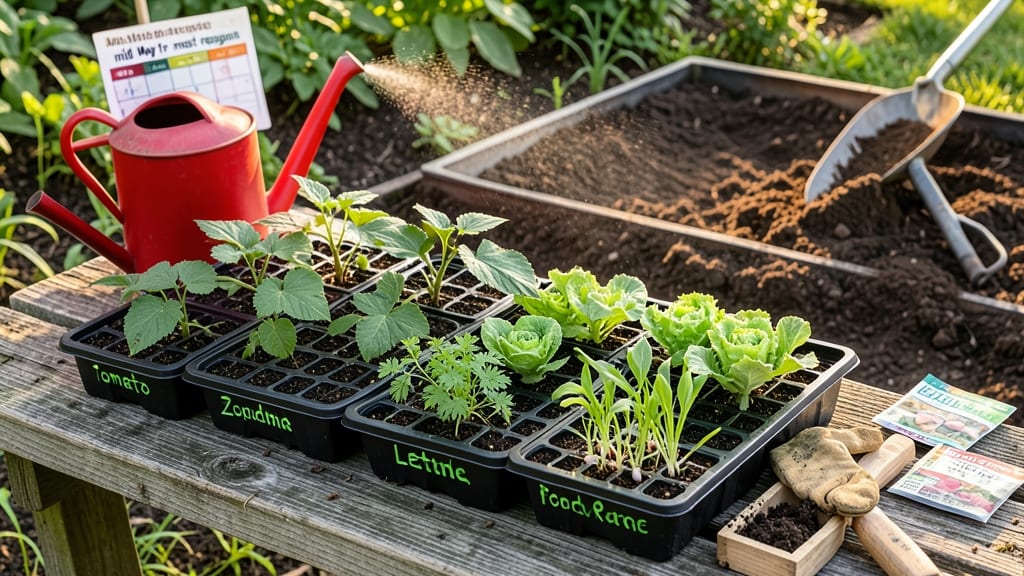
Knowing when to plant your garden in Michigan could mean the difference between a bumper crop and wasted seeds. With frost dates shifting from mid-April to late May depending on your zone, timing is everything—especially when you’ve got 150–180 frost-free days to work with.
Michigan’s 5b-6b zones create unique challenges, from the Upper Peninsula’s cooler springs to southern regions where summer heat arrives early. Whether you’re sowing 🌱 lettuce in April or waiting for soil to warm before tomatoes, getting it right avoids costly mistakes.
I’ll break down the exact planting windows for cool-season and warm-season crops, plus how to adjust for late frosts or early heat. By the end, you’ll know precisely when to start seeds indoors, transplant seedlings, and even squeeze in fall harvests.
Ready to turn your Michigan garden into a thriving oasis? Let’s dive into the zone-specific schedule that’ll have you harvesting all season long.
Michigan frost dates by zone: when to plant cool-season vs. warm-season crops
Michigan’s frost dates vary dramatically across its 5 distinct zones, from the frigid Upper Peninsula to the milder Southern Lower Peninsula. Knowing your exact last frost date is critical—plant too early and a surprise freeze will kill tender seedlings, but delay too long and you’ll miss peak harvests.
Let’s break down the average frost-free windows by zone, using data from Michigan State University and USDA Hardiness Zones 5b-6b.
For cool-season crops like lettuce, spinach, and peas, you can start seeds indoors 6-8 weeks before your last frost.
In Southern Michigan (Zone 6b), that means sowing in early March, while Northern Michigan gardeners should wait until late March or early April. Warm-season crops like tomatoes, peppers, and cucumbers, however, need to wait until soil temperatures reach 60°F (15°C) and all frost risk has passed—typically 2-4 weeks after your last frost date.
| Zone | Last Frost Date | First Frost Date | Cool-Season Planting Window | Warm-Season Planting Window |
|---|---|---|---|---|
| Upper Peninsula (Zone 5a) | May 10–15 | September 20–25 | March 15–April 1 (indoors) | May 25–June 10 |
| Northern Lower Peninsula (Zone 5b) | April 25–May 5 | September 25–October 5 | March 1–March 25 (indoors) | May 15–May 30 |
| Southern Lower Peninsula (Zone 6a) | April 15–April 25 | October 5–October 15 | February 20–March 15 (indoors) | May 1–May 15 |
| Thumb Region (Zone 6b) | April 5–April 15 | October 10–October 20 | February 15–March 1 (indoors) | April 25–May 10 |
If you’re in the Upper Peninsula, your growing season is shorter—only about 120 frost-free days—so focus on fast-maturing varieties like bush beans or radishes.
Meanwhile, gardeners in Zone 6b (like those in the Thumb Region) enjoy a 150+ day season, perfect for tomatoes, peppers, and even sweet corn. Pro tip: Use a soil thermometer to confirm soil temps are 50°F+ before planting warm-season crops—cold soil can stunt growth.
For fall planting, aim to sow cool-season crops like kale or spinach 6-8 weeks before your first frost.
In Northern Michigan, that means starting in early August, while Southern Michigan gardeners can push it to mid-August. Overwintering crops like garlic or onions should be planted in late September or October to establish roots before winter.
Don’t rely solely on average frost dates—Michigan’s weather is unpredictable! Check the National Weather Service or your local MSU Extension office for weekly updates.
I’ve planted tomatoes in early May only to see frost return in June—always have row covers or a cold frame on hand for emergencies. 🌱
Now that you know your frost-free window, let’s tackle adjusting for early springs or late frosts—because Michigan weather loves to throw curveballs. Stay tuned for season-extending tips to maximize your harvest, no matter what Mother Nature throws your way. ☀️
For specific plant recommendations, we’ll dive into the top 5 Michigan-friendly vegetables and their ideal planting timelines in the next section. Spoiler: Kale and blueberries are your secret weapons for a long, productive season! 🌿
How to adjust planting dates for early spring or late frost risks in Michigan
Michigan’s weather can be unpredictable—one day it’s 60°F, the next it drops to 32°F with frost. If you’ve ever lost seedlings to a surprise freeze, you know how frustrating (and costly) delayed planting can be.
The key? Adjusting your planting timeline based on local microclimates and using season-extending tools to give your plants a fighting chance.
Start by checking your local frost dates—they can vary by 1–2 weeks even within the same county. For example, Detroit’s last frost averages April 15, but Traverse City’s might hit May 1.
Use the Michigan State University Garden Guide or the National Weather Service for your specific area.
If you’re eager to plant early, consider cold frames or row covers. These simple tools can raise soil temperatures by 5–10°F, allowing you to plant 2–4 weeks earlier for heat-loving crops like tomatoes or peppers. Just remember: Remove covers during the day to prevent overheating.
For warm-season crops that hate cold, like beans or corn, wait until the soil reaches 60°F—use a soil thermometer to check. If you’re in doubt, start these in biodegradable pots indoors 4–6 weeks before your last frost date, then transplant after the risk of frost has passed.
Don’t forget about fall planting! Many cool-season crops, such as broccoli or carrots, thrive when planted 8–10 weeks before your first frost (usually mid-September in most of Michigan). This gives them time to mature before winter sets in.
Pro tip: Keep a gardening journal to track your local frost dates and planting successes. Over time, you’ll spot patterns—like years when frost hits late or early—and adjust your schedule accordingly. With these strategies, you’ll maximize your growing season and minimize frost-related heartbreak!