Companion Plants
If you’ve ever wondered when to plant pumpkins in Michigan, timing is the secret to avoiding frost-nipped vines and shriveled fruit. Michigan’s 5b-6b zones demand precision—plant too early, and chilly soil stalls germination; too late, and your 🎃 harvest shrinks before summer’s peak.
The ideal window? Mid-April to early June, when soil hits 60°F+ and frost threats fade.
But here’s the catch: not all pumpkin varieties play by the same rules. Early-season types like ‘Howden’ need a head start, while late bloomers like ‘Big Moon’ can wait until late May.
I’ll break down the exact dates for each, plus how to adjust for Michigan’s unpredictable weather—because even the best-laid plans need backup.
Ready to grow pumpkins that rival the Michigan State Fair’s giant entries? You’ll also learn how to prep your soil, choose the right varieties for your region, and beat common pitfalls like squash vine borers. Let’s get those seeds in the ground at the perfect moment.
From frost dates to soil temps, this guide covers everything you need to turn your backyard into a pumpkin patch—without the guesswork. Grab your gloves, and let’s dive in.
Michigan pumpkin planting calendar: frost dates & soil temperature guide
Michigan’s USDA zones 5b-6b mean your last frost date can swing wildly—from mid-April in southern Michigan to late May in the Upper Peninsula. Pumpkin seeds need soil temperatures of 60-90°F to germinate, so waiting for the right moment is critical.
Plant too early, and cold soil will stall growth; too late, and your 90-day varieties won’t mature before frost.
Most Michigan gardeners aim to plant pumpkins between mid-April and early June, but this varies by region. For example, Detroit-area growers can start in early May, while Traverse City gardeners should wait until late May. Use a soil thermometer to confirm temperatures—70°F+ is ideal for planting.
Here’s how Michigan’s frost-free growing season (typically 150–180 days) breaks down for pumpkins:
| Region | Last Frost Date | Ideal Planting Window | Soil Temp for Planting | First Frost Risk |
|---|---|---|---|---|
| Southern MI (Detroit, Ann Arbor) | Mid-April | Early May | 70–75°F | Mid-October |
| Central MI (Lansing, Grand Rapids) | Late April | Late May | 75–80°F | Late September |
| Northern MI (Traverse City, Marquette) | Late May | Early June | 80–85°F | Early October |
For long-season varieties (like ‘Big Moon’), plant as early as possible—even if soil is still cool—using black plastic mulch to warm it faster. Short-season varieties (like ‘Jack Be Little’) can tolerate later planting (up to early June) and still mature before frost.
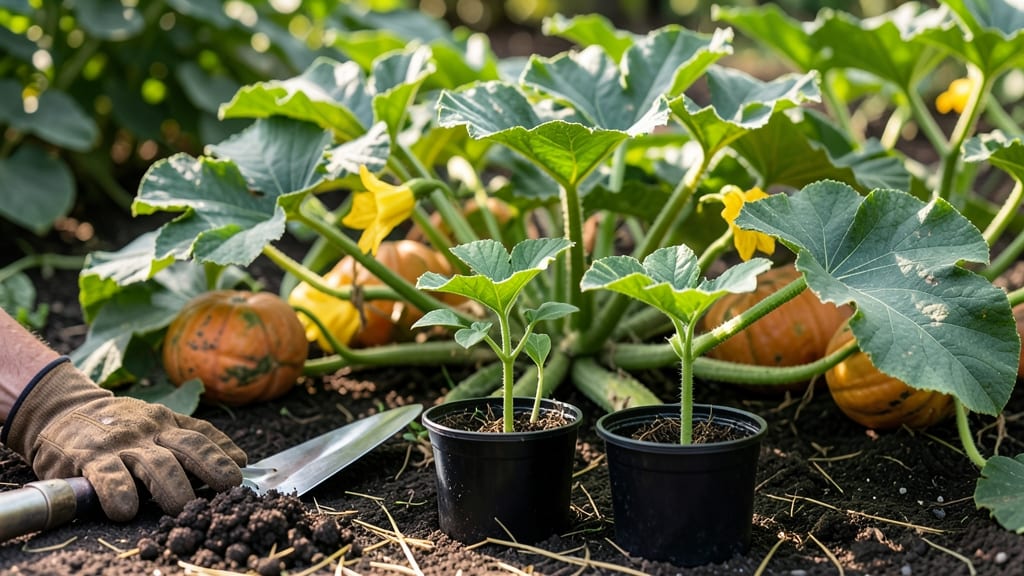
Pro tip: If your area has a history of late springs, start seeds indoors 4–6 weeks before your last frost date. Transplant seedlings when soil reaches 60°F and nighttime temps stay above 50°F. This buys you extra time for varieties needing 100+ days to harvest.
Watch for false springs—those warm spells in March or April that trick you into planting too soon. Pumpkin seeds won’t germinate below 60°F, and cold soil can cause damping off, a fungal disease that kills seedlings. Always confirm 7-day forecasts for stable warmth before planting.
Once planted, maintain soil temps above 65°F for consistent growth. Use a row cover if nights dip below 55°F to protect young plants. In USDA Zone 5b (northern Michigan), consider trellising varieties like ‘Sugar Pie’ to save space and reduce frost exposure.
Remember: Michigan’s first frost typically arrives in mid-October, but early frosts can sneak in by September in high elevations. Plan to harvest 2–3 weeks before the average first frost date to ensure sweet, mature pumpkins.
🎃
Best pumpkin varieties for Michigan’s growing season & their planting windows
Michigan’s short growing season demands smart variety selection to maximize your pumpkin harvest. Whether you're growing miniature jack-o'-lanterns or giant pie pumpkins, choosing the right type ensures success. Early varieties like ‘Howden’ (75 days) thrive in cooler climates, while late-season ‘Big Moon’ (110 days) needs a longer season.
Let’s break down the best options and their ideal planting windows.
For USDA zones 5b-6b in Michigan, timing is critical. Most pumpkin seeds should be sown 2-3 weeks after your last frost date, typically mid-May in northern Michigan and late April in southern regions.
Soil temperature should be consistently 60°F or warmer—use a soil thermometer to check. Dwarf varieties like ‘Jack Be Little’ (80 days) offer flexibility for late starts.
🌱 Variety Selection Matters: Giant pumpkins (e.g., ‘Atlantic Giant’) need 120+ days and should only be attempted in southern Michigan with a longer season. Smaller varieties like ‘Cinderella’ (90 days) are perfect for northern gardens or container growing. Always match your variety to your frost-free days—Michigan typically offers 150-180 days.
| Variety | Days to Maturity | Best Planting Window | Michigan Suitability |
|---|---|---|---|
| Howden | 75 days | Late April–early May | Excellent (early, cold-tolerant) |
| Jack Be Little | 80 days | Mid-May–early June | Great (dwarf, late starts) |
| Cinderella | 90 days | Late April–mid-May | Versatile (medium size) |
| Big Moon | 110 days | Late April (southern MI only) | Risky (needs long season) |
| Atlantic Giant | 120+ days | Late April (southern MI only) | Challenging (experts only) |
If you’re unsure about your last frost date, check your local Michigan State University Extension resources or use a frost calendar. For example, Traverse City (Zone 6a) has an average last frost of May 10, while Detroit (Zone 6b) sees it around April 25.
Adjust your planting date accordingly—soil temperature is more critical than air temperature.
For container growing, opt for dwarf varieties like ‘Jack Be Little’ and plant in 5-gallon pots filled with well-draining soil. Place containers in a south-facing spot and start seeds 4-6 weeks earlier than outdoor planting dates.
This gives you a 2-week head start on the season, which is invaluable in Michigan’s cooler climate.
Remember: Pumpkins need space—even dwarf varieties need 3-4 feet of diameter. Plan your garden layout to avoid overcrowding, which can lead to disease and poor fruit development.
With the right variety and timing, you’ll be carving (or baking!) pumpkins by October—just in time for fall festivities! 🎃