
Plants
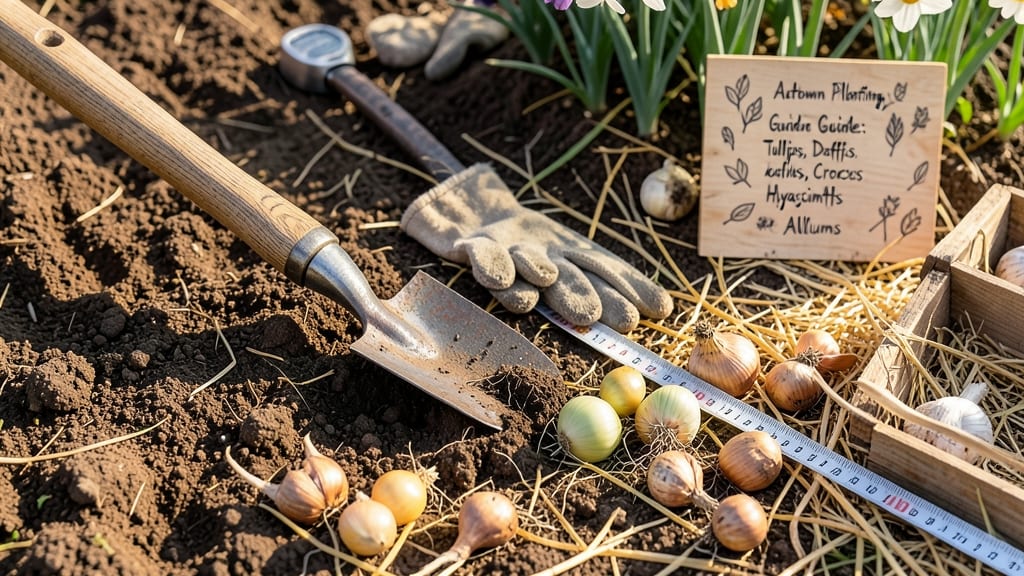
Timing your fall bulb planting just right could mean the difference between a stunning spring garden and wasted effort. The best time to plant bulbs in the fall is that critical 6-week window before your first frost—miss it, and your 🌱 might not survive the winter.
In USDA Zone 6a, that means aiming for late September to early November, but the exact dates depend on your local climate.
Why does this window matter so much? Bulbs need time to establish strong roots before the ground freezes solid. If planted too early, they might sprout prematurely and get damaged by cold snaps.
Too late, and they won’t have enough time to root before winter sets in. The key is balancing soil temperature—ideally between 50°F and 60°F—and frost dates.
Don’t stress about getting it perfect—even a few weeks off can still work if your soil drains well. I’ll walk you through how to check your local frost dates, prepare your soil, and pick the right bulbs for your region.
With these tips, you’ll be well on your way to a garden bursting with color next spring.
Ready to turn your fall planting into a spring success? Let’s break down the exact steps to ensure your bulbs thrive through winter and bloom beautifully when the time comes.
The 6-Week pre-frost window: exact timing by US hardiness Zones
Timing is the single most critical factor for successful fall bulb planting. You only have a 6-week window before the ground freezes—plant too early, and roots won't establish; too late, and bulbs risk frost damage.
The goal is to plant when soil temperatures average 60°F (15°C) but before the first hard frost hits.
Most gardeners in the U.S. should aim for mid-September to early November, but exact dates vary by USDA hardiness zone. In Zone 3-5, your window might be just 4 weeks (late August to early October), while Zones 7-10 get a more flexible 8-week window (September through November).
Here’s how to calculate your exact window: Subtract 6 weeks from your first frost date (check your local USDA zone map or Almanac frost calculator). For example, if frost arrives November 15, plant by October 1.
Late planters can still succeed in Zones 7-10 with early December plantings, but risk is higher.
Soil temperature is more important than air temperature. Bulbs need 4-6 weeks of root growth before dormancy. Use a soil thermometer to confirm temps are 50-60°F (10-15°C)—cooler than this, and roots slow dramatically. Warmer than 65°F (18°C), and bulbs may sprout prematurely.
Different bulb types have slightly different preferences. Tulips and daffodils thrive when planted in cool but not frozen soil, while crocuses and snowdrops are more frost-tolerant and can handle earlier plantings. Hyacinths and alliums prefer slightly warmer soil and do better in Zones 6-9.
Regional variations matter too. In the Pacific Northwest, milder winters extend the window to early December, while Midwest gardeners may need to plant by late October. Coastal areas often have later frosts than inland zones, so adjust accordingly.
| USDA Zone | Ideal Planting Window | Soil Temp Goal (°F) | Bulb Types | Risk Level |
|---|---|---|---|---|
| 3-5 | Late August - Early October | 50-60°F | Tulips, Daffodils, Crocuses | High (short window) |
| 6-7 | Mid-September - Mid-November | 55-65°F | Alliums, Hyacinths, Snowdrops | Moderate |
| 8-10 | September - Early December | 60-70°F | Lilies, Fritillaries, Rain Lilies | Low (long window) |
*Adjust for microclimates—sheltered areas may have later frost dates.
Pro tip: If you miss the window, don’t panic. Bulbs can be planted in early spring (as soon as soil is workable), though they may bloom 4-6 weeks later than fall-planted varieties. Daffodils and crocuses are the most forgiving for late plantings.
For container gardeners, the window is slightly more flexible. Pots warm up faster but also cool down quicker, so aim for late September to early November regardless of zone. Use black plastic pots to absorb heat and extend the season by 1-2 weeks.
Remember: The earlier you plant in cooler zones, the better the root establishment. In Zones 3-5, don’t wait past October 1—even if soil is still warm. Zones 8-10 can push it to December 1, but prioritize soil temp over calendar dates.
🌱
How to prepare your soil and bulbs for fall planting to prevent winter loss
Preparing your soil and bulbs properly is just as critical as timing. Bulbs need well-draining soil and healthy roots to survive winter dormancy. Start by testing your soil pH—most bulbs prefer 6.0-7.0.
If your soil is too acidic or compacted, amend it with compost or aged manure to improve structure and fertility.
For clay-heavy soils, mix in sand or perlite to prevent waterlogging, which can rot bulbs during winter. In sandy soils, add peat moss or coconut coir to retain moisture. Work amendments into the top 12 inches of soil, where most bulb roots will grow before dormancy sets in.
Bulb inspection is non-negotiable. Before planting, check for shriveled, moldy, or sprouted bulbs—these won’t survive. Discard any with soft spots, holes, or a musty smell. Healthy bulbs should feel firm and dry, with no visible signs of rot. Soak dry bulbs in lukewarm water for 2-4 hours before planting to rehydrate them gently.
🌱
Step-by-Step Fall Bulb Prep
- Test soil: Check pH (aim for 6.0-7.0) and amend with compost or sand if needed.
- Inspect bulbs: Discard any with mold, soft spots, or sprouts longer than 1 inch.
- Soak dry bulbs: Rehydrate in lukewarm water for 2-4 hours before planting.
- Loosen soil: Dig holes 3x wider than the bulb’s diameter for proper drainage.
- Add bone meal: Mix 1 tbsp per hole to encourage strong root growth before winter.
- Plant at depth: Follow depth guidelines (e.g., tulips: 6-8 inches deep).
- Water deeply: Soak the soil after planting to eliminate air pockets around roots.
- Mulch lightly: Apply 2-3 inches of straw or shredded leaves to insulate bulbs.
After planting, water deeply to settle the soil and eliminate air pockets around the roots. Avoid overwatering, which can cause rot—bulbs need moisture but not soggy soil. Once planted, skip fertilization until spring, as fall feeds can encourage late-season growth that won’t harden off before frost.
For container gardeners, use pots with drainage holes and fill the bottom third with gravel or perlite. Plant bulbs in well-draining potting mix and water thoroughly after planting. Move containers to a protected location (like a garage or cold frame) if temperatures drop below 20°F (-7°C).
🌿