
Plants
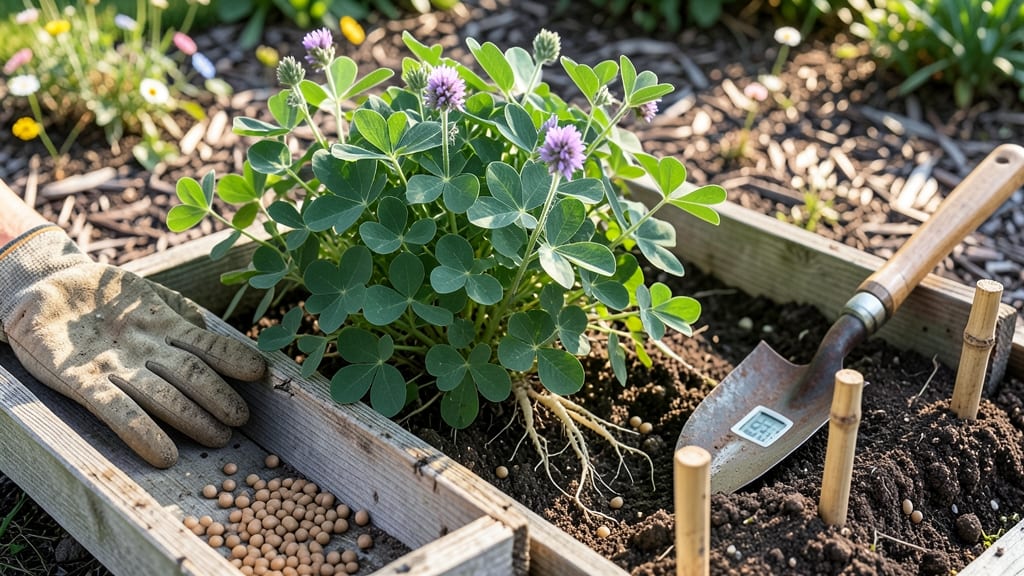
Timing your alfalfa planting in Missouri isn’t just about the calendar—it’s about dodging frost, soil temperature, and even your county’s microclimate. Plant too early, and a late freeze could wipe out your crop; too late, and you miss the sweet spot for high-yield forage before summer’s heat sets in.
With Missouri’s USDA zones 5b-6b and frost-free windows that shift yearly, knowing the exact weeks to plant—whether in early spring or late summer—is the difference between a thriving field of 🌱 alfalfa and a gamble.
I’ll break down the science behind Missouri’s frost dates, soil readiness, and how to pick the perfect variety for your location.
You’ll discover why March-April is the gold standard for most growers, but also how late-summer planting can work if you’re in a warmer microclimate. Plus, I’ll share pro tips to extend your growing season and avoid common pitfalls that trip up even experienced farmers.
Ready to turn your Missouri field into a high-protein forage powerhouse? Let’s dive into the optimal planting windows and strategies that’ll have your alfalfa standing tall and productive—no guesswork required.
Missouri’s best planting windows for alfalfa by variety (frost dates & hardiness zones)
Missouri’s USDA hardiness zones 5b-6b create a 165-day frost-free window—the perfect balance for growing alfalfa (Medicago sativa). But timing matters: plant too early, and late frosts will kill tender seedlings.
Plant too late, and summer heat stress reduces yields. The ideal window depends on your variety and location within the state.
For northern Missouri (zones 5b-6a), aim for early April to mid-May when soil temperatures consistently reach 50°F+. Southern Missouri (zones 6b-7a) can start as early as late March, but always wait for the last frost date (typically March 15 in St. Louis, April 1 in Kansas City).
Fall planting is risky but possible in southern Missouri with heat-tolerant varieties like 'Ladak' or 'Grimm'. Seedlings need 60 days to establish roots before winter, so plant by late August. Northern growers should avoid fall planting entirely due to earlier frosts.
⚠️ CRITICAL: Check your local frost dates—Missouri’s climate varies dramatically even within short distances. Use the Missouri Climate Center’s frost calendar or ask your local Cooperative Extension office for precise timing.
| Variety | Best Planting Window | Frost Tolerance | Notes |
|---|---|---|---|
| Medicago sativa 'Buffalo' | Early April - Mid-May | Moderate | Cold-hardy, great for zones 5b-6a |
| Medicago sativa 'Ladak' | Late March - Early April | High | Best for southern Missouri, heat-tolerant |
| Medicago falcata | Late August (Southern MO only) | Low | Drought-resistant, avoid fall planting north of I-70 |
| Grimm Alfalfa | Early April - Late April | Moderate | Popular in Missouri, disease-resistant |
Missouri’s western regions (like Springfield) often experience earlier springs than eastern areas (like Columbia). If you’re in zone 6b+, you can push planting to mid-March for early-maturing varieties. However, seedling survival drops dramatically if temperatures dip below 40°F.
For maximum yield, align planting with soil moisture. Missouri’s spring rains often mean April showers create perfect conditions, but drought years (like 2020) require pre-plant irrigation. Test soil moisture by squeezing a handful—if it holds shape but crumbles, it’s ideal.
Pro tip: Use a seedling blanket for 2-3 weeks post-planting in northern Missouri. This extends the frost-free window by 10-14 days without chemicals. Pair it with mulch to retain soil warmth—straw works best for alfalfa’s shallow roots.
Missouri farmers in zone 5b (like those near the Iowa border) should avoid fall planting entirely. Instead, focus on early spring and use cover crops like clover in summer to protect soil health. Southern Missouri growers can experiment with late August plantings but must monitor soil temps closely.
Remember: Alfalfa’s taproot needs deep, well-drained soil. If your Missouri plot has clay-heavy soil, amend with compost or sand before planting. The root zone must reach 3-4 feet deep for optimal forage production.
🌱
5 Critical factors that determine your alfalfa planting success in Missouri
Missouri’s alfalfa success hinges on more than just frost dates—soil temperature, moisture, and even weed competition play pivotal roles. I’ve seen firsthand how a 5°F warmer soil can mean the difference between thriving plants and stunted growth.
Let’s break down the non-negotiable factors that’ll help you pinpoint the exact week to plant in your county.
First, your soil temperature must stay above 50°F for at least 7-10 days before planting. Use a soil thermometer to check—cold soil delays germination, and alfalfa seeds won’t sprout below 45°F.
In Missouri’s USDA zones 5b-6b, this typically aligns with mid-April for most regions, but northern counties like St. Joseph may need to wait until late April.
Moisture consistency is another game-changer. Alfalfa roots need 1-2 inches of water weekly during establishment, but soggy soil leads to rot. I recommend drip irrigation or soaker hoses to keep moisture even without overwatering. In drought-prone areas like southwest Missouri, mulching with straw helps retain humidity while preventing crusting.
Weed competition can kill your alfalfa before it takes hold. Plant in well-prepared beds with minimal weeds, or use a pre-emergent herbicide like pendimethalin (follow label rates!). I’ve seen alfalfa outcompeted by cheatgrass and foxtails in just 4 weeks—don’t let that happen to you.
USDA Plant Hardiness Map isn’t just for perennials—it’s your secret weapon for alfalfa. Missouri spans zones 5b-7a, so adjust your timeline:
- Zone 5b (north): Aim for April 15-May 1
- Zone 6a (central): April 1-April 15
- Zone 7a (southeast):** March 15-April 1
Don’t overlook alfalfa variety—some handle Missouri’s late frosts better than others. ‘Ladak’ and ‘Moapa’ tolerate cold snaps, while ‘Buffalo’ thrives in heat. Match your variety to your microclimate (e.g., hilly vs. flat areas cool faster).
Pro tip: Plant a test row 2 weeks before your target date. If seedlings emerge in 7-10 days, you’re golden. If not, wait another week—your future high-protein forage depends on it. 🌱