Plants
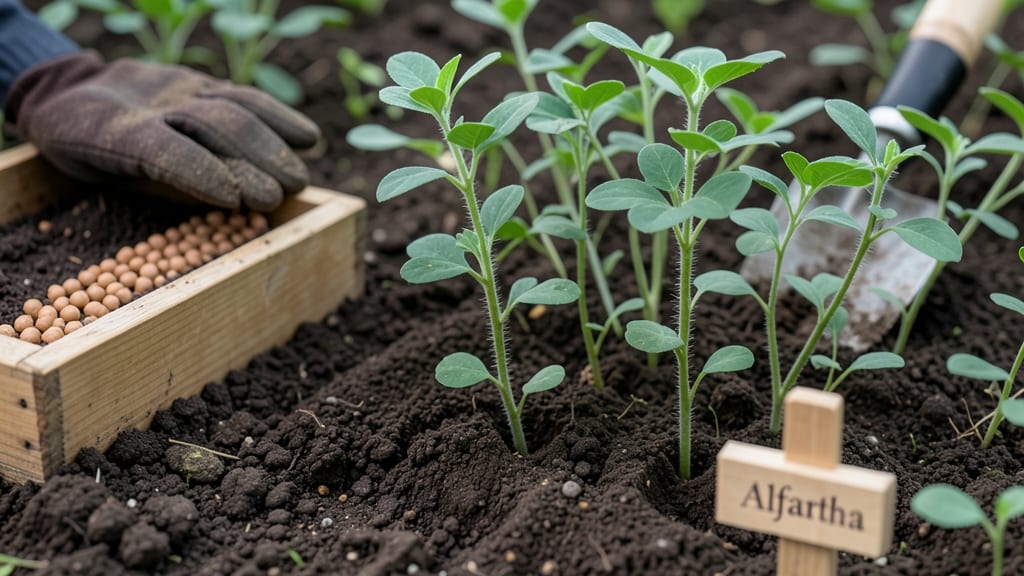
Timing your alfalfa planting just right in spring could mean the difference between a lush, nitrogen-rich crop and wasted seeds. This hardy perennial 🌱 thrives when planted after the last frost but before the soil gets too hot—typically between early March and mid-April in most regions.
Most gardeners overlook soil temperature, but alfalfa seeds need warmth—at least 50°F (10°C)—to sprout properly. Planting too early risks frost damage, while waiting too long can stress young plants in hotter climates.
In USDA Zone 6a, where frost lingers until mid-April, aim for late March to early April. For southern zones, February might work, but always check your local frost-free date and test soil warmth with a thermometer.
I’ll break down the exact window for your area, plus pro tips to adjust for late starts or early frosts—so you can grow healthy alfalfa every season.
How soil temperature determines the best alfalfa planting time
Alfalfa seeds need warm soil to germinate—60–70°F (15–21°C) is the sweet spot. Planting too early, when soil is still chilly, slows growth or triggers rot. The key is waiting for consistent warmth after the last frost, not just frost-free days.
Even if nighttime temps dip, daytime soil heat matters most for germination.
Cold soil (below 50°F/10°C) delays sprouting by weeks. In my USDA Zone 6a garden, I’ve seen alfalfa take 21 days to germinate in 50°F soil vs. just 7 days at 65°F.
That’s why I always check soil temp with a soil thermometer—not just the air temp on my weather app.
Here’s the critical rule: Plant alfalfa when your soil stays above 50°F (10°C) for at least 5 days straight. This ensures roots establish before summer heat arrives.
In cooler climates, this might mean waiting until late April or May, while warmer zones can start as early as February or March.
Don’t rely on frost-free dates alone—those tell you when to plant tender annuals, not hardy crops like alfalfa. Instead, combine frost data with soil warmth tracking. For example, my last frost is April 15, but I don’t plant alfalfa until May 1 when soil hits 60°F.
| Factor | Ideal Condition | Why It Matters |
|---|---|---|
| Soil Temperature | 60–70°F (15–21°C) | Speeds germination and root growth |
| Frost Risk | After last frost + 2 weeks | Prevents frost damage to young sprouts |
| Moisture Level | Consistently damp | Supports seed hydration without waterlogging |
| Sunlight | 6+ hours daily | Ensures energy for rapid growth |
Use a soil thermometer to test depth—alfalfa roots need warmth at 2–3 inches deep. If your soil runs cold, try black plastic mulch to absorb heat. I’ve seen this raise soil temps by 5–10°F in just days, letting me plant 2 weeks earlier in cool springs.
Watch for microclimates too. South-facing slopes warm faster than low-lying areas. In my garden, the sunniest raised bed hits 60°F by April 10, while the shady corner lags until May 1. Plant alfalfa in the warmest spots first if you’re on a tight schedule.
Pro tip: If you’re unsure about timing, start seeds indoors 4–6 weeks before your target outdoor date. Use heat mats to mimic warm soil, then transplant when outdoor soil is ready. This buys you flexibility if spring drags on.
Remember, alfalfa is hardy once established, but germination is its weak point. Rushing it risks poor stands or disease. When in doubt, wait one more week—your soil will thank you with faster, healthier growth.
🌱
How soil temperature determines the best alfalfa planting time
Alfalfa seeds need warm soil to germinate—ideally between 60–70°F (15–21°C). Cold soil slows growth, while soil too hot can dry out seeds before sprouting. This temperature window is your golden rule for spring planting success.
Most gardeners wait until after the last frost date, but soil warmth matters more. A soil thermometer (just $10 at garden centers) is your best tool—check temps at 2-inch depth in the morning. If it’s below 50°F (10°C), wait a few more days.
Northern climates (USDA zones 3–5) often need to wait until late April or May for soil to warm, while southern zones (6–10) can start as early as February or March. Microclimates—like south-facing slopes—can warm 1–2 weeks earlier than flat areas.
| Soil Condition | Ideal Planting Time | Risk if Planted Too Early |
|---|---|---|
| Soil temp < 50°F (10°C) | Wait 2–4 weeks | Seeds rot or fail to sprout |
| Soil temp 50–59°F (10–15°C) | Proceed with caution | Slow germination (3+ weeks) |
| Soil temp 60–70°F (15–21°C) | Optimal planting window | Fast, even germination |
Alfalfa’s frost tolerance is limited—young seedlings can handle light frost (28–32°F / -2 to 0°C), but repeated freezes damage roots. Use row covers if late frosts linger after planting. In Zone 4 or colder, prioritize soil warmth over frost dates.
For container growing, soil warms faster in pots. Plant 2–3 weeks earlier than in-ground, but monitor moisture—containers dry out quickly. Mulch with straw to retain heat and prevent crusting, which blocks young shoots.
Pro tip: If your area has unpredictable spring weather, sow a small test batch 2 weeks before your target date. This lets you adjust timing based on real germination results—no guesswork! 🌱