Plants
Planting alfalfa in North Carolina at the wrong time can turn your hard work into a frustrating gamble—especially when premature bolting ruins your crop before it even gets a chance to thrive.
The key to success isn’t just memorizing dates; it’s understanding how soil temperature, microclimates, and regional frost patterns interact to create the perfect window for planting.
If you’ve ever watched your alfalfa 🌱 bolt too early or struggle in inconsistent NC weather, you know timing matters more than most guides admit. The most important factor? Soil temps between 50-60°F—too cold, and germination stalls; too warm, and you risk bolting before harvest.
I’ll show you exactly how to read your local conditions and adjust for your specific zone, whether you’re in the Coastal Plain, Piedmont, or Mountains.
What you’ll discover here goes beyond basic planting charts. We’re talking about 3 proven strategies to protect your crop from NC’s microclimate quirks—like urban heat islands or frost-prone valleys—that even experienced farmers overlook. No more guessing games; just data-backed tactics to maximize your yield and avoid common pitfalls.
Ready to plant with confidence? Let’s break down the exact windows, soil secrets, and regional adjustments that will have your alfalfa thriving—no matter where you are in the state. Your future forage starts with the right timing.
Optimal planting dates for alfalfa in North Carolina by region
North Carolina’s diverse climate—from the humid Coastal Plain to the cooler Mountain regions—means your alfalfa planting window can shift by weeks. The key is planting when soil temperatures hit 50-60°F consistently, not just air temperature.
In USDA Zones 7a-8b, this typically lands in early spring (March) or late summer (August-September), but regional microclimates demand adjustments.
For example, Coastal Plain areas like Wilmington often see earlier last frosts (mid-February), while Mountain regions like Asheville may wait until late March or April. Even within the Piedmont, a 20-mile elevation change can push planting dates back by 2-3 weeks.
Always check your local NC State Extension frost data for precision.
Here’s the golden rule: Plant alfalfa seeds when daytime highs are 60°F+ and nighttime lows stay above 45°F. This prevents bolting (premature flowering), which ruins forage quality. In NC, bolting risk spikes if you plant too early in February or too late in October.
🌱 NC Alfalfa Planting Windows by Region
| Region | Ideal Planting Window | Soil Temp Threshold | Last Frost Date | Bolting Risk |
|---|---|---|---|---|
| Coastal Plain | Late February–March | 50–55°F | Mid-February | High if planted before Feb 15 |
| Piedmont | March–Early April | 55–60°F | Late February–March 15 | Moderate if planted after March 1 |
| Mountain | Late March–April | 60–65°F | March 15–April 1 | Low if planted after April 1 |
| Late Summer (All Regions) | August–Early September | 60–65°F | N/A | Low (avoid after Sept 15) |
Pro Tip: Use a soil thermometer to confirm temps—air temps can mislead!
If you’re in a transition zone (e.g., near the Sandhills or Blue Ridge Escarpment), err on the side of planting later. These areas experience microclimate shifts where frost can linger in low-lying spots.
For instance, Lenoir in the Coastal Plain might be safe by March 1, while Boone in the Mountains could still see frost until April 10.
For late-summer plantings, aim for August 1–September 15 to give seedlings time to establish before fall frosts. This window works best in warmer microclimates like Raleigh’s urban heat islands or southern Piedmont areas. Avoid planting after September 15, as cooler nights can stunt growth.
One common mistake? Relying on calendar dates instead of soil conditions. I once planted alfalfa in early March in Greensboro—only for a cold snap to drop soil temps to 42°F, triggering bolting. Always monitor 7-day soil forecasts from NC State Climate Office for adjustments.
For urban gardeners, raised beds can warm soil 2–3°F faster than in-ground plots, giving you a 2-week earlier planting window. Just ensure beds are south-facing to maximize sun exposure. In windy coastal areas, use windbreaks (like bamboo fencing) to protect young seedlings.
Finally, test your soil pH before planting—alfalfa thrives in 6.5–7.5. If your soil is too acidic, amend with lime 4–6 weeks before planting. This step alone can boost yields by 30% in NC’s clay-heavy soils.
🌱
Soil temperature secrets: how to avoid bolting and maximize yield
Alfalfa’s perfect planting window in North Carolina hinges on soil temperature, not just calendar dates. When soil dips below 50°F, seeds fail to germinate, while temperatures above 65°F trigger premature bolting—turning your forage into flowers before harvest.
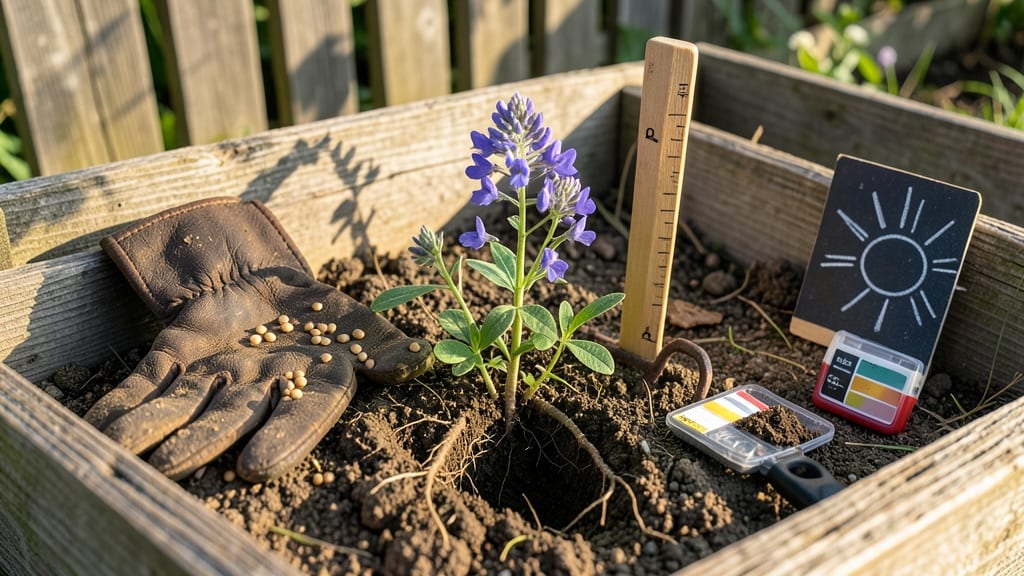
My secret? A soil thermometer ($15 at garden centers) becomes your best friend for pinpointing the ideal 50-60°F range.
North Carolina’s microclimates create wild swings—Coastal Plain areas warm faster than the Mountains, where frost lingers until April. I’ve seen alfalfa planted in March in Raleigh bolt by May, while Asheville growers wait until mid-April.
The fix? Check soil temps at 6 AM (cooler than midday) for 3 consecutive mornings before planting.
For late-summer plantings (August-September), aim for soil temps between 55-60°F—cooler than spring but still warm enough for germination. I’ve had success in Charlotte by planting September 1st when daytime highs drop to 85°F (soil cools to 58°F overnight).
Pro tip: Use a black plastic mulch to warm soil faster in cool springs or cool it down in hot summers.
Your