
Plants
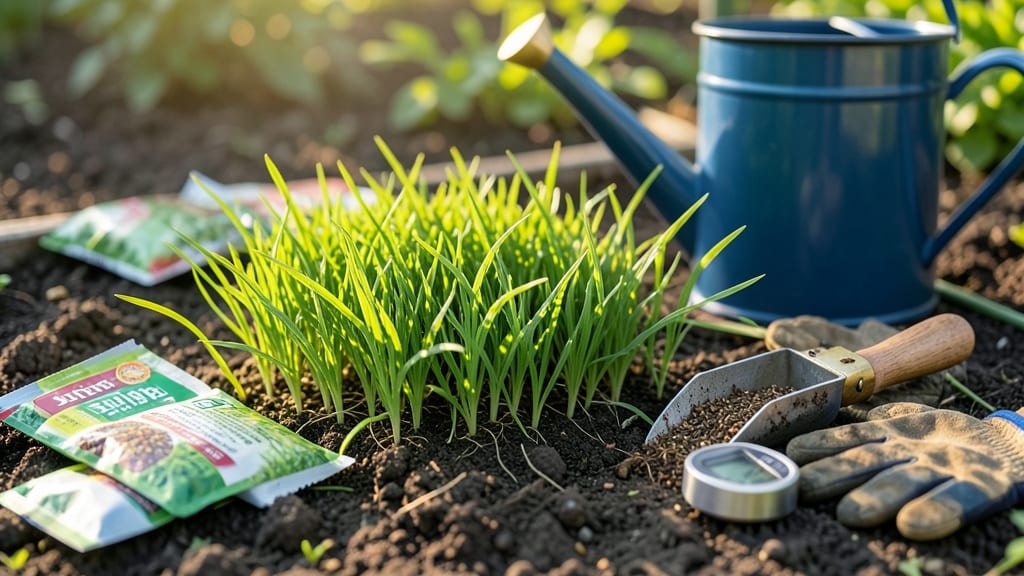
If you’ve ever stared at a patchy, slow-to-grow lawn in Georgia and wondered "when is the best time to plant grass", you’re not alone. The difference between a lush, green carpet and a sad, struggling yard often comes down to timing—and Georgia’s climate makes it tricky.
Planting your 🌱 Grass (Turfgrass) during the wrong window can mean fighting heat stress, battling weeds, or dealing with frost damage. But here’s the secret: the ideal months for Georgia’s 7a-8b zones are March-April (early spring) or August-September (early fall).
These windows give your grass the perfect balance of warmth, moisture, and zero frost risk.
Why does this matter? Because planting at the right time isn’t just about speed—it’s about fast germination, deep roots, and a lawn that thrives year-round. I’ll show you exactly how to nail the timing, prep your soil, and pick the right grass type for your Georgia yard.
Let’s get your lawn growing stronger and faster—without the guesswork. Ready to transform your yard? Let’s dive in.
Georgia’s ideal grass planting windows: month-by-month breakdown for fastest germination
Georgia’s USDA zones 7a-8b create a tricky balance between humid heat and unpredictable frost. Planting grass at the wrong time means battling slow germination or fungal diseases from summer heat. But nailing the timing gives you 3x faster establishment and a lawn that thrives year-round.
The absolute best windows are early spring (March-April) and early fall (August-September). These periods avoid extreme heat and frost risks while maximizing moisture availability and soil temperatures between 65-75°F—perfect for seed germination.
Here’s the month-by-month breakdown for Georgia’s two grass types: cool-season (like tall fescue) and warm-season (like Bermuda). Each has its own ideal window to avoid stress.
🌱 Georgia Grass Planting Timeline: Cool-Season vs. Warm-Season
| Month | Cool-Season Grass (Fescue, Ryegrass) | Warm-Season Grass (Bermuda, Zoysia) | Soil Temp (°F) | Germination Speed |
|---|---|---|---|---|
| February | ✅ Good (if frost-free) | ❌ Avoid (too cold) | 50-60 | Slow (5-7 days) |
| March | ⭐ Best (after last frost) | ❌ Avoid (still cool) | 60-70 | Fast (3-5 days) |
| April | ⭐ Best (ideal temps) | ⚠️ Risky (late frost) | 70-80 | Very Fast (2-4 days) |
| May | ❌ Too hot (dormancy) | ⚠️ Possible (late) | 80-90 | Slow (7+ days) |
| August | ⚠️ Possible (early) | ⭐ Best (soil warming) | 75-85 | Fast (3-5 days) |
| September | ⭐ Best (cooling temps) | ⭐ Best (peak season) | 70-80 | Very Fast (2-4 days) |
| October | ⚠️ Risky (frost) | ❌ Too cool | 60-70 | Slow (5-7 days) |
⚠️ Frost Alert: Northern GA (Zone 7a) has higher frost risk in April/May. Wait until after April 15 for cool-season grass.
For
How to prepare Georgia soil for grass planting: 3 critical steps to avoid common mistakes
Preparing your soil in Georgia is the foundation of a thriving lawn. Skipping this step leads to poor germination, weed invasion, or even complete grass failure. The key is creating loose, nutrient-rich soil with the right pH balance—especially in Georgia’s clay-heavy or sandy soils.
Start by testing your soil’s pH using a home test kit or send a sample to your local University of Georgia Extension office. Most grasses thrive in a pH range of 6.0 to 7.0.
If your soil is too acidic (<6.0), add lime 4-6 weeks before planting. For alkaline soil (>7.0), incorporate sulfur or peat moss.
⚠️ WARNING: Common Mistake—Many gardeners overlook soil testing and assume their soil is "fine." Georgia’s diverse regions (coastal, Piedmont, mountains) have wildly different soil compositions. For example, southern Georgia’s sandy soils drain too quickly, while northern Georgia’s clay holds too much moisture.
3 Critical Soil Prep Steps for Georgia Grass
Use a broadfork or tiller to loosen soil 4-6 inches deep. Pull weeds by hand or use a glyphosate-free herbicide 2 weeks before planting.
Rent a core aerator to create 3/8-inch holes every 2-3 inches. This is crucial in high-traffic areas or clay-heavy zones like Atlanta’s Piedmont region.
Mix in 2-3 inches of compost or aged manure. For sandy soils (common in savannah GA), blend in peat moss to retain moisture.
After prepping, level the soil with a rake to eliminate low spots where water pools. In Georgia’s humid climate, standing water invites fungal diseases like brown patch. For slopes, create contour rows to slow water runoff.
Finally, apply a starter fertilizer (high in phosphorus) to encourage root growth. In Georgia, March and September are ideal for this step because they align with the cool-season and warm-season planting windows, respectively.
Pro tip: If you’re overseeding in summer, water deeply the night before to help seeds make contact with moist soil. Georgia’s hot afternoons can dry seeds out before germination begins.