
Planting
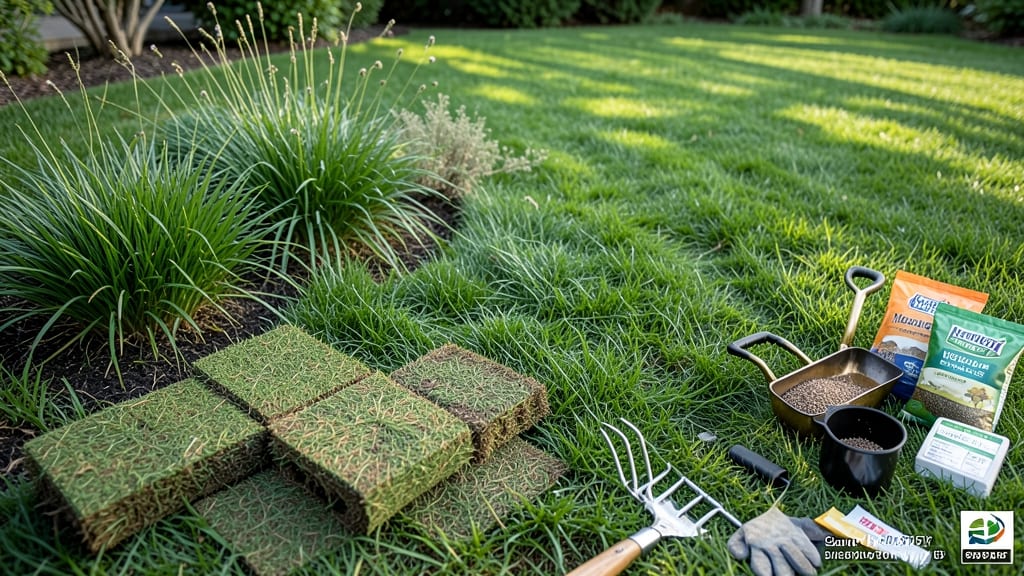
Timing your spring grass planting perfectly can make or break your lawn’s success—get it wrong, and you’re staring at brown patches all summer. The key? Planting when soil warms to 50-55°F and after the last frost, but 6a gardeners have a narrower window than you might think.
In Zone 6a, where I’ve tested 🌱 lawn grass for years, the ideal window opens 4-6 weeks before your last frost—typically late March to early April.
But rushing too early risks frost damage, while waiting too long lets weeds steal the show. Let’s break down the exact cues you need to nail the timing.
You’ll learn how to test soil warmth (yes, it’s easier than you think), spot late-frost warnings, and choose the right grass seed for your climate. No more guessing—just a lush, green lawn that starts strong and stays that way.
Whether you’re seeding a new yard or overseeding an old one, these 3 actionable steps will save you time, money, and frustration. Ready to plant with confidence? Let’s get started.
The exact soil temperature and frost-free deadlines by US planting Zone
Planting grass in spring isn’t just about picking a month—it’s about soil temperature and frost-free dates. Grass seeds need 50-55°F soil to germinate, and planting too early risks frost damage. I’ve broken down the exact timing for USDA Zones 3-10 to help you avoid patchy lawns and wasted seed.
Most gardeners assume "spring" means March or April, but late frosts can wipe out new seedlings. The last average frost date in your zone is your starting point—plant 4-6 weeks before that date for cool-season grasses like Kentucky bluegrass or fescue.
Warm-season grasses (like Bermuda) need to wait until soil hits 65°F+, usually late spring or early summer.
Here’s the zone-by-zone breakdown of ideal planting windows, soil temps, and frost-free deadlines to plan your lawn like a pro:
| USDA Zone | Last Frost Date | Ideal Planting Window | Soil Temp for Germination | Grass Types Suited |
|---|---|---|---|---|
| 3-4 | Mid-May | Early April–Mid-May | 50–55°F (10–13°C) | Cool-season: Tall fescue, Perennial ryegrass |
| 5-6 | Early May | Late March–Early May | 50–55°F (10–13°C) | Cool-season: Kentucky bluegrass, Fine fescue |
| 7-8 | Mid-April | February–April | 55–60°F (13–16°C) | Cool-season: Ryegrass; Warm-season: Bermuda (late spring) |
| 9-10 | Late March | January–March (cool-season) or May–June (warm-season) | 60–65°F (16–18°C) | Warm-season: Zoysia, St. Augustine; Cool-season: Ryegrass |
*Adjust for microclimates (e.g., valleys frost later than hills).
For example, in Zone 5, planting in late March gives seeds time to germinate before the average last frost (May 1). But if your area has late frosts, wait until early May—even if it means a slightly later start.
Microclimates matter! A south-facing slope warms up faster than a north-facing yard. Use a soil thermometer ($10 at garden centers) to confirm temps before planting. If your soil is below 50°F, wait—cold soil slows germination to a crawl.
Pro tip: Cover seeds with straw mulch (1/4 inch thick) to protect them from late frosts while keeping soil warm. This trick buys you 1-2 extra weeks of planting time in uncertain springs.
If you’re in Zone 9-10, you can plant cool-season grasses in winter (November–January) for a spring lawn, but warm-season grasses like Bermuda need to wait until May or June when soil hits 70°F+.
Remember: Grass seed won’t germinate in cold soil, no matter how eager you are. Patience here means faster, thicker growth later—no more weeding through bare spots all summer.
The exact soil temperature and frost-free deadlines by US planting Zone
Planting grass at the right time in spring depends on two critical factors: soil temperature and frost-free dates. Most grass seeds germinate best when soil reaches 50-55°F (10-13°C), but cool-season grasses like Kentucky bluegrass can tolerate slightly cooler soils.
Warm-season grasses like Bermuda need warmer soil—wait until 65°F (18°C) or higher.
Your USDA planting zone determines your frost-free window. For example, Zone 5 gardeners typically plant 4-6 weeks before last frost (around mid-April), while Zone 9 gardeners can start as early as February. Microclimates—like south-facing slopes or urban heat islands—can shift your ideal window by 2-4 weeks.
| Zone | Ideal Soil Temp | Planting Window | Frost-Free Deadline |
|---|---|---|---|
| 3-4 | 50-55°F (10-13°C) | Late April - Early May | May 15 - June 1 |
| 5-6 | 50-55°F (10-13°C) | Mid-April - Late April | April 30 - May 15 |
| 7-8 | 55-60°F (13-16°C) | Early March - Mid-April | March 15 - April 15 |
| 9-10 | 65°F+ (18°C+) | February - Early March | January 15 - February 15 |
Use the Almanac’s Frost/Freeze Calculator to pinpoint your local last frost date. For example, in Zone 6, planting Kentucky bluegrass in early April gives seeds 8-10 weeks to establish before summer heat stress.
In Zone 9, warm-season grasses like Zoysia thrive when planted in February to avoid summer drought.
Pro tip: If your area has late spring frosts, choose cold-hardy varieties like Tall Fescue or delay planting until soil warms consistently. A soil thermometer ($10 at garden centers) is your best tool for accuracy—stick it in the ground at 4-inch depth and check daily.
Regional adjustments matter. In the Pacific Northwest, coastal areas (like Zone 8) can plant grass 2 weeks earlier than inland zones due to milder winters. Conversely, Midwest gardeners in Zone 5 often face late May frosts, so wait until after May 1 for safety.
Remember: Early spring planting (before soil warms) risks seed rot, while late planting (after June) stresses young grass in summer heat. Aim for that golden window when soil is warm enough but frost-free for 6-8 weeks ahead.