
Plants
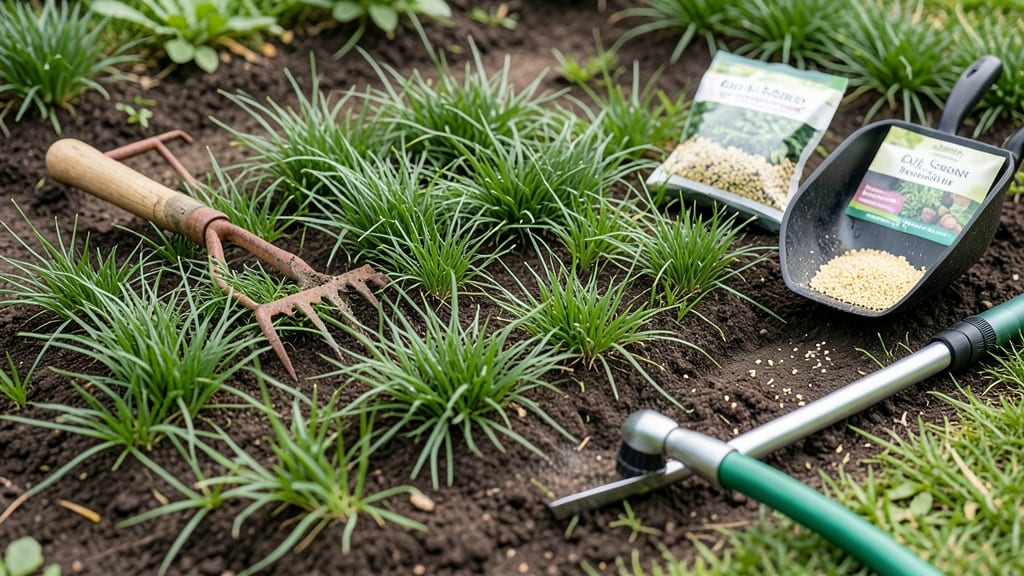
If you've ever stared at your patchy Michigan lawn wondering "when is the best time to plant grass", you're not alone. The wrong timing can mean wasted seed, weed infestations, or a lawn that never fully recovers from winter.
But get it right, and you'll have a lush, resilient yard that thrives through Michigan's 5b-6b climate challenges.
Michigan's spring and fall windows offer the perfect balance of soil warmth and moisture for grass establishment. Planting too early risks frost damage, while waiting too late means missing the optimal growth period.
The key is understanding your specific USDA zone and preparing your soil properly before those seeds hit the ground.
I'll break down exactly when to plant in Michigan - from early spring's first frost-free days to fall's cooler temperatures - plus how to choose the right grass types for your region.
Whether you're in the Upper Peninsula or southern Michigan, these proven strategies will help you avoid common mistakes and create a lawn that stays green year-round.
Ready to transform your yard? Let's dive into the proven timeline and preparation steps that will give you the thick, vibrant grass you've been dreaming of. Your Michigan lawn's success starts with knowing exactly when to plant.
Michigan’s optimal grass planting windows by USDA Zone (with exact dates)
Michigan spans USDA Zones 4b through 6a, meaning planting windows vary slightly between northern and southern regions. For most of the state, the ideal planting times are early spring and early fall—when soil temperatures stabilize and frost risks drop.
In the Upper Peninsula (Zone 4b), aim for late April to early May or late August to early September, while southern Michigan (Zone 6a) can start as early as mid-April or extend into October.
Cool-season grasses like Kentucky bluegrass and tall fescue thrive in Michigan’s climate, so timing matters more than you might think. Planting too early risks frost damage, while waiting too late can leave your lawn vulnerable to weeds and summer heat stress.
The key is soil temperature consistency—wait until the ground stays above 50°F (10°C) for at least a week.
Pro Tip: Use a soil thermometer to check temperatures at a 4-inch depth. This small tool saves you from guesswork and ensures your seed germinates properly. Michigan’s clay-heavy soils retain cold longer, so don’t rush—patience here pays off with a thicker lawn.
| USDA Zone | Region | Spring Window | Fall Window | Soil Temp Threshold |
|---|---|---|---|---|
| 4b | Upper Peninsula | Late April–Early May | Late August–Early Sept | 50°F (10°C) |
| 5a | Northern Lower Peninsula | Mid-April–Early May | Mid-August–Mid-Sept | 50°F (10°C) |
| 5b | Central Michigan | Early April–Late April | Late August–Late Sept | 50°F (10°C) |
| 6a | Southern Michigan | Mid-March–Early April | September–Early Oct | 50°F (10°C) |
*Adjust dates 1-2 weeks based on local microclimates (e.g., urban areas warm faster).
Fall planting often yields better results in Michigan because cooler temperatures reduce weed competition and stress on young grass. Aim to finish seeding by 6 weeks before the first frost—typically mid-September for most regions.
This gives roots time to establish before winter dormancy. For spring planting, don’t wait past early June, or your lawn may struggle with summer heat.
Michigan’s microclimates can shift planting windows by weeks. For example, Detroit’s urban heat island might allow earlier spring planting, while rural areas in Traverse City could need to wait longer.
Check your local Almanac frost dates and observe nearby established lawns—if they’re already green and growing, it’s likely safe to plant.
Another critical factor is rainfall timing. Michigan’s spring often brings unpredictable showers, so plan to water lightly but frequently if planting during dry spells. Fall planting benefits from steady autumn rains, reducing your need for irrigation.
Always keep newly seeded areas consistently moist (about 1 inch of water per week) until germination completes, usually in 14-21 days.
For bare spots or patchy lawns, you can overseed in late summer (August) to take advantage of cooler temps and prepare for spring. Just avoid planting warm-season grasses like Bermuda—these are ill-suited for Michigan’s climate and won’t thrive in our winters.
Stick to cool-season varieties like fine fescue or perennial ryegrass for year-round success.
Remember: Michigan’s clay soil drains poorly when wet, so avoid planting after heavy rains. If your soil is waterlogged, wait until it dries to a depth of 4 inches before seeding.
This prevents seed rot and ensures proper germination. A quick soil test (available through MSU Extension) can also reveal if your pH needs adjustment—ideal grass pH is 6.0-7.0.
By aligning your planting with Michigan’s USDA Zone guidelines and local conditions, you’ll give your lawn the best possible start. The effort pays off with a denser, healthier turf that outcompetes weeds and withstands our harsh winters. Happy planting!
How to prepare your Michigan lawn for planting (soil, seed, and weather prep)
Preparing your Michigan lawn for grass planting isn’t just about throwing seed on bare soil—it’s about creating the perfect foundation for thick, resilient growth. Michigan’s clay-heavy soils and variable weather demand extra attention, so let’s tackle this step by step to avoid common pitfalls.
First, test your soil’s pH using a home kit (available at garden centers). Michigan lawns thrive with a pH between 6.0 and 7.0. If your soil is too acidic (<6.0), add lime 4-6 weeks before planting.
For alkaline soil (>7.0), mix in sulfur or peat moss to lower the pH gradually.
- Remove debris, rocks, and weeds by hand or with a dandelion digger.
- Use glyphosate herbicide (like Roundup) 1-2 weeks before planting to kill remaining weeds.
- Rent a core aerator to pull 3-4 inch plugs from compacted soil.
- For clay soil, mix in 2-3 inches of compost or sand to improve drainage.
- Michigan’s cool-season climate favors tall fescue, Kentucky bluegrass, or perennial ryegrass blends.
- Avoid warm-season grasses like Bermuda or Zoysia—they struggle in Michigan’s winters.
- Use a broadcast spreader for large areas or hand-spread for small patches.
- Apply ½ pound of seed per 100 sqft for new lawns; ⅓ pound for overseeding.
- Lightly rake seed into soil (¼ inch deep) to ensure contact with earth.
- Cover with a thin layer of straw to retain moisture and deter birds.
Don’t forget to water lightly but frequently after planting—keep the soil moist (not soggy) for the first 2-3 weeks. Use a sprinkler on a gentle setting to avoid displacing seed. Once seedlings reach 3-4 inches tall, gradually reduce watering to encourage deep root growth.
If you’re planting in fall (September-October), aim to finish at least 6-8 weeks before the first frost (typically mid-October in Michigan). This gives grass time to establish roots before winter dormancy. For spring planting (April-May), wait until soil temperatures hit 50°F consistently—use a soil thermometer to check.
Pro tip: Mark your planting dates on a calendar and set reminders for watering schedules. Michigan’s weather can shift quickly, so staying proactive is key to a lush, weed-free lawn by summer.