
Plants
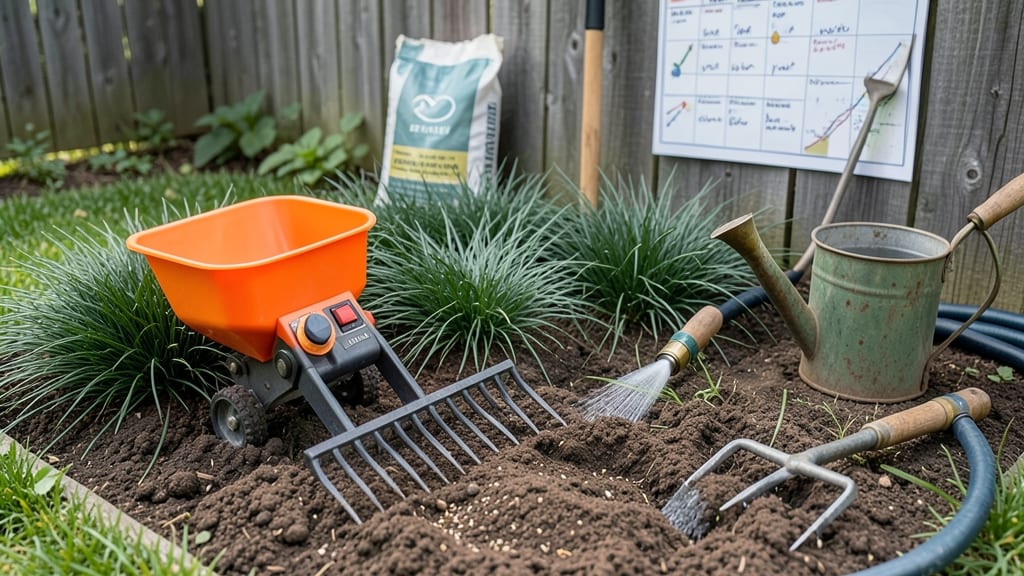
If you’ve ever poured time and effort into planting Grass Seed (Turfgrass) 🌱 in Connecticut only to watch it struggle—or worse, fail—you’re not alone. The difference between a lush lawn and a patchy disappointment often comes down to one critical factor: timing.
Planting at the wrong moment in Connecticut’s 5b-6b climate can mean wasted seed, uneven growth, or even total failure, no matter how well you prep the soil.
Here’s the truth: Connecticut’s early spring and late fall windows offer the best shot at success, but getting it wrong—like planting too late in summer or too close to frost—can derail your efforts.
Whether you’re a first-time homeowner or a lawn care pro, knowing exactly when to plant gives you the edge. I’ll break down the science behind Connecticut’s frost dates, soil temperatures, and regional microclimates so you can avoid common mistakes and set your lawn up for long-term success.
Think you can just toss seed anytime and expect results? Think again. The key lies in aligning your planting schedule with Connecticut’s 165 frost-free days, where soil temps between 50-65°F create the perfect germination window.
I’ll show you how to read the signs—like last frost dates around April 15 and first frosts near October 15—and why planting in March-April or September-October gives your grass the best fighting chance.
Ready to stop guessing and start growing? Let’s dive into the exact steps to time your planting like a pro, so you can enjoy that dense, vibrant lawn you’ve been dreaming of—without the trial and error.
Connecticut’s ideal grass seed planting windows: early spring vs late fall timing guide
Timing your grass seed planting in Connecticut is critical—get it wrong, and you’ll battle uneven growth, wasted seed, or even total failure. The best windows are early spring (March-April) and late fall (September-October), when soil temperatures and moisture align perfectly for germination.
These periods avoid the heat stress of summer and the frost risks of winter, giving your new lawn the best start.
Connecticut’s USDA Zones 5b-6b mean you’ll face last frost dates around April 15 and first frosts by October 15. Planting too early risks frost damage, while waiting too long means summer drought or weed competition.
The key? Soil temperature should stay between 50-65°F—cold enough to deter weeds but warm enough for seeds to sprout.
Here’s how the two prime windows compare—plus what to watch for in Connecticut’s variable climate:
🌱 Connecticut Grass Seed Planting Comparison
| Factor | Early Spring (March-April) | Late Fall (September-October) |
|---|---|---|
| Soil Temp | 50-60°F | 55-65°F |
| Moisture | Moderate (spring rains) | High (fall rains) |
| Weed Competition | Low (cooler temps) | Very Low (fall dormancy) |
| Frost Risk | Low (after April 15) | Moderate (after Oct 1) |
| Establishment Time | 6-8 weeks before summer heat | 8-10 weeks before winter dormancy |
| Best For | Full lawn renovation | Overseeding or patch repair |
🌿 Pro Tip: Use a soil thermometer to confirm temps—spring seeds need 50°F+, fall seeds 60°F+.
For early spring planting, aim for March to early April—this gives seeds time to germinate before summer’s heat arrives. Kentucky Bluegrass, Connecticut’s top choice, thrives in these conditions, but Tall Fescue is a drought-resistant backup if spring rains are light.
Start 4-6 weeks before your last frost date (typically April 15), and monitor weather forecasts for unexpected cold snaps.
Late fall offers a second chance for planting, but Connecticut’s unpredictable weather demands caution. September to mid-October is ideal—seeds germinate in warm soil but establish roots before winter. Fine Fescue excels here, handling cooler temps better than Kentucky Bluegrass.
Stop planting by October 1 to avoid frost damage to tender seedlings. Use a light mulch (straw, not leaves) to retain moisture without smothering growth.
Regional microclimates matter in Connecticut. Coastal areas (like New London) stay milder, extending the fall window to early November, while inland zones (like Hartford) may need to plant by late September.
Check your local frost dates—the Connecticut Agricultural Experiment Station provides updated forecasts. If you’re unsure, err on the earlier side; seeds won’t germinate in cold soil, no matter how much you water.
One common mistake? Planting in summer (June-August). Connecticut’s heat causes seeds to dry out before sprouting, and weed competition explodes. If you must plant in summer, choose shade-tolerant varieties like Creeping Red Fescue and water twice daily—but even then, success rates drop by 50%.
Save summer for overseeding thin spots with perennial ryegrass, which germinates faster in warm soil.
Finally, don’t overlook soil preparation—it’s just as critical as timing. Test your soil’s pH (6.0-7.0 ideal) and nitrogen levels before planting. Connecticut’s clay-heavy soils often need compost or sand to improve drainage. A pre-emergent herbicide applied 2 weeks before seeding can block weeds without harming grass.
With the right timing and prep, your Connecticut lawn will go from bare spots to lush green in just 6-8 weeks.
Ready to dive deeper? The next section covers step-by-step prep, from soil testing to seed selection—so you’re fully set for your planting window. 🌱
How to prepare your Connecticut lawn for grass seed success (step-by-step)
Preparing your lawn properly before planting grass seed in Connecticut is the secret to a thick, vibrant lawn. Skipping these steps can lead to poor germination, weed invasion, or uneven growth. Let’s walk through the essential tasks to set your lawn up for success.
First, you’ll want to test your soil’s pH—Connecticut’s clay-heavy soils often need adjustment. Aim for a pH of 6.0 to 7.0 for most grass types.
If your soil is too acidic or alkaline, amend it with lime or sulfur 4-6 weeks before planting. This gives the soil time to stabilize.
Next, remove existing weeds and debris. A pre-emergent herbicide applied 2 weeks before seeding can prevent weed competition. For organic options, hand-pull weeds or use a corn gluten meal pre-emergent. Clear all rocks, roots, and thatch to create a clean, level surface for seed contact.