
Plants
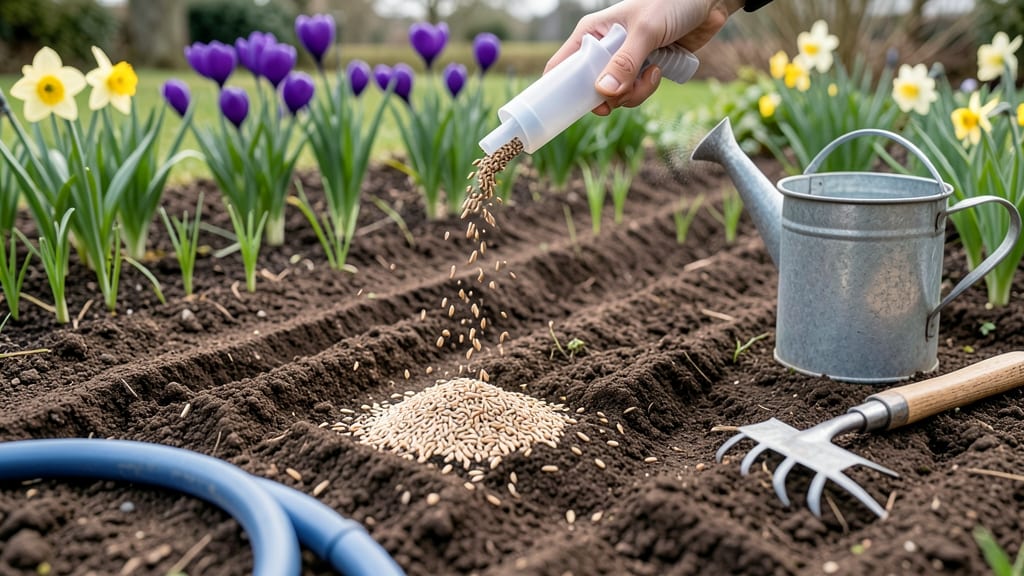
Timing your 🌱 grass seed planting in Indiana could mean the difference between a thick, vibrant lawn and a patchy disappointment. With Indiana's 5b-6b climate zones and unpredictable spring weather, getting it right takes more than just guessing.
Most gardeners know spring and fall are ideal, but do you know the exact window? Planting too early when soil temperatures dip below 50°F can stall germination, while waiting too long risks summer heat stress.
I'll break down the perfect timing—plus how to prep your yard for success—so you avoid common mistakes that waste both time and money.
Whether you're seeding a new lawn or repairing bare spots, understanding Indiana's frost-free window and soil conditions is the key to lush, even growth. Let's dive into the science behind when to plant for the best results in your yard.
You'll discover how to read your local climate cues, choose the right grass types for your region, and create the ideal conditions for your seeds to thrive. Ready to transform your lawn? Let's get started.
Optimal Indiana grass seed planting times based on soil temperature & frost dates
Indiana’s USDA Zones 5b-6b and variable climate mean timing your grass seed planting is critical for success. The best windows are early spring (after last frost) and fall (before first frost), when soil temperatures hover between 50-65°F—ideal for germination.
Northern Indiana’s cooler microclimates shift these windows slightly earlier than Southern Indiana’s warmer zones.
According to Purdue Extension, March-April and September-October are prime months. Planting too early risks cold soil (below 50°F), while late spring or early summer heat can stress seedlings. Let’s break down the perfect planting windows based on your region’s frost dates and soil conditions.
🌱 Key Takeaway: Indiana’s frost-free window spans 165 days—use it wisely! Northern Indiana’s last frost averages April 15, while Southern Indiana sees it around April 1. First frosts hit Northern Indiana by October 15 and Southern Indiana by October 25.
| Season | Ideal Planting Months | Soil Temp Requirement | Frost-Free Window | Notes |
|---|---|---|---|---|
| Spring | March-April | 50-65°F | After last frost (April 1-15) | Cool-season grasses thrive; avoid planting when nights dip below 40°F. |
| Fall | September-October | 50-65°F | Before first frost (Oct 15-25) | Grass establishes strong roots before winter; stop planting 6 weeks before frost. |
| Avoid | May-July | Above 75°F | N/A | Extreme heat causes seed dormancy; weeds outcompete seedlings. |
For Northern Indiana (e.g., Fort Wayne, Gary), aim for April 1-15 in spring and September 15-October 1 in fall. Southern Indiana (e.g., Louisville, Evansville) can push spring planting to April 15-30 and fall to October 1-15. Use a soil thermometer to confirm temperatures—50°F is the minimum for germination.
Pro tip: Fall planting often yields better results in Indiana because cooler temps reduce weed competition and drought stress. Seedlings establish deeper roots before winter, giving you a head start in spring. Just ensure you plant 4-6 weeks before frost to allow for full root development.
If you’re in a transition zone (e.g., Central Indiana), monitor local weather forecasts. Sudden cold snaps in spring or early frosts in fall can derail your lawn. For extra protection, use a lightweight frost blanket if planting near the frost window’s edge.
Remember, Kentucky Bluegrass and Tall Fescue (cool-season grasses) dominate Indiana lawns. These varieties need consistent moisture and 6+ hours of sunlight daily. Planting them outside their ideal window can lead to thin, patchy lawns or even total failure.
🌿 Action Step: Check your local frost dates (use the Old Farmer’s Almanac or Purdue Extension maps) and mark your calendar 4-6 weeks before the average last frost for spring or first frost for fall planting.
Next, we’ll dive into preparing your lawn for seeding—including soil testing, weed control, and irrigation tips tailored to Indiana’s two planting seasons. Don’t skip this step, or you’ll risk wasted seed and uneven growth!
How to prepare your Indiana lawn for grass seed planting in spring vs. fall
Preparing your Indiana lawn properly before planting grass seed makes all the difference between a thick, vibrant lawn and a patchy failure. The process differs slightly for spring vs. fall planting, but both require soil testing, weed control, and proper irrigation setup.
Let’s walk through each step to ensure your seeds get the best possible start.
First, test your soil’s pH using a home kit or send a sample to Purdue Extension. Indiana’s ideal pH range for grass is 6.0-7.0. If your soil is too acidic (<6.0), add lime 2-3 months before planting.
For alkaline soil (>7.0), mix in sulfur or peat moss to lower the pH gradually. Don’t skip this step—poor soil pH can stunt seedling growth or attract weeds.
🌱 Pro Tip: Spring planting requires earlier soil prep (6-8 weeks before seeding) because you’ll need time for amendments to integrate. Fall prep can wait until 4-6 weeks before planting, as cooler temps speed up soil adjustments.
Next, till the soil to a depth of 3-4 inches, breaking up compacted layers. For spring planting, aim to till when soil is dry enough to crumble but not bone-dry.
In fall, till after the first frost to loosen soil for root penetration. Avoid tilling when soil is too wet—this creates clumps that hinder seed-to-soil contact.
After tilling, rake the area smooth and remove debris. Create a fine seedbed with a garden rake to ensure seeds make direct contact with soil.
For slopes, consider hydroseeding to prevent erosion. Once your seedbed is ready, apply a starter fertilizer (high in phosphorus, like 10-20-10) to promote root growth.
Watering is critical during the first 2-3 weeks after planting. Keep the soil consistently moist (about 1/2 inch per week) by watering early in the morning.
Use a gentle sprinkler or soaker hose to avoid displacing seeds. In Indiana’s hot summers, water daily if temperatures exceed 85°F—seedlings dry out quickly.
For fall planting, focus on deep watering to encourage root development before winter. Reduce watering frequency as temperatures drop, but avoid letting soil dry out completely. In spring, maintain moisture until seedlings reach 3-4 inches tall, then gradually reduce to 1 inch per week once established.
Finally, mulch lightly with straw (not wood chips) to retain moisture and protect seeds from bird damage. Remove mulch once grass reaches 2-3 inches tall. With these steps, your Indiana lawn will be ready for seeding—whether you’re planting in spring’s mild warmth or fall’s cooler temps.
💧 Action Step: Gather your tools now: soil test kit, lime/sulfur, garden rake, starter fertilizer, and a sprinkler. Schedule your prep 6-8 weeks before spring planting or 4-6 weeks before fall planting to stay ahead of Indiana’s unpredictable weather.