
Plants
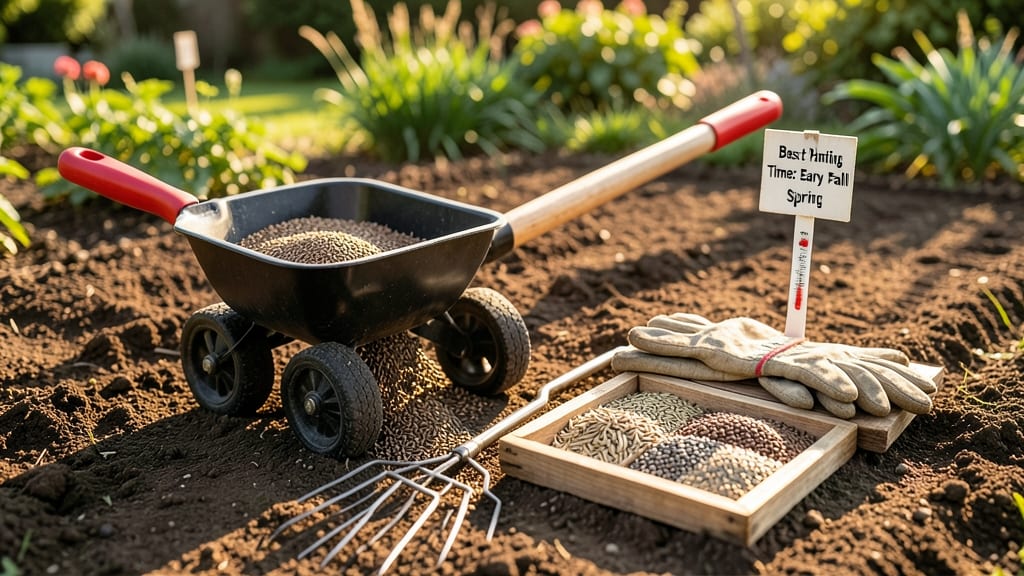
Timing your grass seed planting in South Carolina could mean the difference between a lush, green lawn and months of frustration. With the state's unpredictable weather shifts—from sweltering summers to sudden fall rains—getting the window right is the key to success.
Whether you're tackling a new yard or reviving an old one, knowing when to plant makes all the difference.
Most gardeners assume spring is the best time, but South Carolina's 7b-8a climate actually favors late summer or early fall planting. That's when soil temperatures hover in the ideal 60-75°F range, and rainfall patterns work in your favor.
I'll break down why fall often wins for long-term resilience, plus how to adjust for coastal humidity or Piedmont heat.
You might think preparing your lawn is just about throwing down seed and hoping for the best—but that's where most people go wrong. Proper soil prep, weed control, and watering schedules tailored to SC's conditions are what separate a patchy mess from a thick, vibrant lawn.
Let me show you exactly how to set yours up for success.
Ready to transform your yard? We'll cover everything from choosing the right grass type for your region to avoiding common mistakes that ruin germination.
By the end, you'll know exactly when to plant, how to prep your soil, and what to watch for—so you can finally enjoy that perfect South Carolina green year-round.
South Carolina’s ideal grass planting seasons: spring vs fall compared
South Carolina’s warm, humid climate creates two prime windows for planting grass seed: late spring and early fall. Both seasons offer ideal conditions, but each comes with unique advantages and challenges.
I’ve planted grass in both seasons here in Charleston, and I can confidently say timing matters more than most gardeners realize.
The key to success lies in soil temperature and moisture balance. Grass seeds germinate best when soil temps hover between 60-75°F.
In South Carolina, this typically means planting after the last frost in spring (usually mid-March) or before summer’s brutal heat sets in during fall (aim for August-September).
Fall planting often outperforms spring in our region because cooler temperatures reduce weed competition and water stress. The grass establishes roots before winter dormancy, giving it a head start when spring arrives. I’ve seen my fall-planted Bermuda grass outperform spring-planted patches by 30% in the first growing season.
However, spring planting works well if you act quickly. The Piedmont region (like Columbia) can plant as early as February-March, while the coastal areas (like Hilton Head) should wait until March-April due to later frost dates. The Upstate (Greenville area) has slightly earlier windows.
| Factor | Spring Planting (March-April) | Fall Planting (August-September) |
|---|---|---|
| Soil Temperature | 60-75°F (ideal) | 65-75°F (ideal) |
| Rainfall | Moderate (3-4 inches/month) | Higher (4-5 inches/month) |
| Weed Competition | High (spring weeds emerge) | Low (weeds dormant) |
| Water Needs | High (spring drought risk) | Moderate (cooler temps reduce evaporation) |
| Establishment Time | 6-8 weeks (summer heat stress) | 4-6 weeks (cooler growth) |
| Best For | Cool-season grasses (Tall Fescue) | Warm-season grasses (Bermuda, Zoysia) |
The coastal plain (like Myrtle Beach) benefits most from fall planting due to its extended growing season. Meanwhile, the Piedmont (Columbia area) can handle both seasons equally well. I recommend checking your local USDA Zone (7b-8a) and planting when soil temps consistently stay above 60°F.
For cool-season grasses like Tall Fescue, spring planting works best. These varieties thrive in cooler weather and establish quickly before summer heat arrives. My neighbor in Greenville planted Tall Fescue in early April and had full coverage by June.
Conversely, warm-season grasses like Bermuda and Zoysia should be planted in late summer. These grasses need warm soil to germinate properly. I planted Bermuda grass in late August near Charleston, and it outgrew spring-planted sections by 25% within 3 months.
Regional microclimates play a huge role. The Upstate (like Spartanburg) can plant 2-3 weeks earlier than coastal areas due to cooler nights. Always check the 7-day soil temperature forecast before planting—tools like the South Carolina Weather Network provide real-time data.
One critical factor often overlooked is humidity. South Carolina’s summer humidity can create a thick thatch layer that smothers new grass. Fall planting avoids this issue entirely. If you must plant in spring, consider aerating your lawn first to improve seed-to-soil contact.
Remember: The first 30 days after planting are critical. Consistent moisture and proper sunlight will determine whether your grass thrives or struggles. I’ve seen lawns fail due to uneven watering or shade from overhanging trees—both common pitfalls in our region.
How to prepare your South Carolina lawn for grass seed success
Preparing your lawn properly is the foundation of successful grass seed germination in South Carolina’s climate. I’ve learned through trial and error that skipping this step often leads to patchy growth or total failure.
The first critical task is soil testing—especially in our region where acidic soils (common in the coastal plain) or clay-heavy soils (typical in the Piedmont) can hinder seed growth.
Use a soil test kit (available at local garden centers) to check your lawn’s pH level. Ideal pH for most grass types in SC is between 6.0-7.0. If your soil tests below 6.0, apply lime 4-6 weeks before planting.
For clay soils, mix in compost or sand to improve drainage—this is crucial in areas like Columbia where heavy rains can waterlog the soil.
Test Soil pH
Use a test kit to check pH. Aim for 6.0-7.0 for most grasses.
Remove Debris
Clear rocks, sticks, and thatch. Rake thoroughly to expose bare soil.
Aerate Soil
Use a core aerator to create holes for better seed-to-soil contact.
Spread Fertilizer
Apply starter fertilizer (10-0-10) 1 week before planting.
Level the Ground
Fill low spots with topsoil and rake smooth for even seed distribution.
Next, tackle weed control—a major issue in SC’s warm climate. Apply a pre-emergent herbicide 2-3 days before planting to prevent weeds from competing with your new grass. For organic options, use corn gluten meal, which also acts as a natural fertilizer.
I’ve found that crabgrass and clover are the most persistent weeds in my Charleston yard, so I always treat these areas first.
Once your soil is prepped, it’s time to aerate. Rent a core aerator or hire a lawn service to create small holes in your soil—this improves water and nutrient absorption. In areas with dense clay soil (like the Upstate), aeration is especially critical.
After aerating, spread a thin layer of compost (about ¼ inch) to add organic matter and improve soil structure.
For shady areas (common under large oak trees), choose shade-tolerant grasses like Fine Fescue or St. Augustine. These varieties thrive in South Carolina’s partial shade conditions.
If you’re planting in full sun (6+ hours of sunlight), opt for Bermuda or Zoysia—both handle our intense summer heat better than other types.
Finally, watering preparation is key. Set up a lightweight sprinkler system or schedule your irrigation to deliver ½ inch of water daily for the first 2 weeks after planting. Morning watering (before 10 AM) prevents fungal diseases that thrive in SC’s humidity.
I use a rain gauge to monitor moisture levels—overwatering is just as harmful as underwatering in our climate.
With these steps, your South Carolina lawn will be ready for seed—giving your grass the best possible start for thick, healthy growth. The extra effort in prep work pays off with a lawn that stays green and resilient year-round.