
Plants
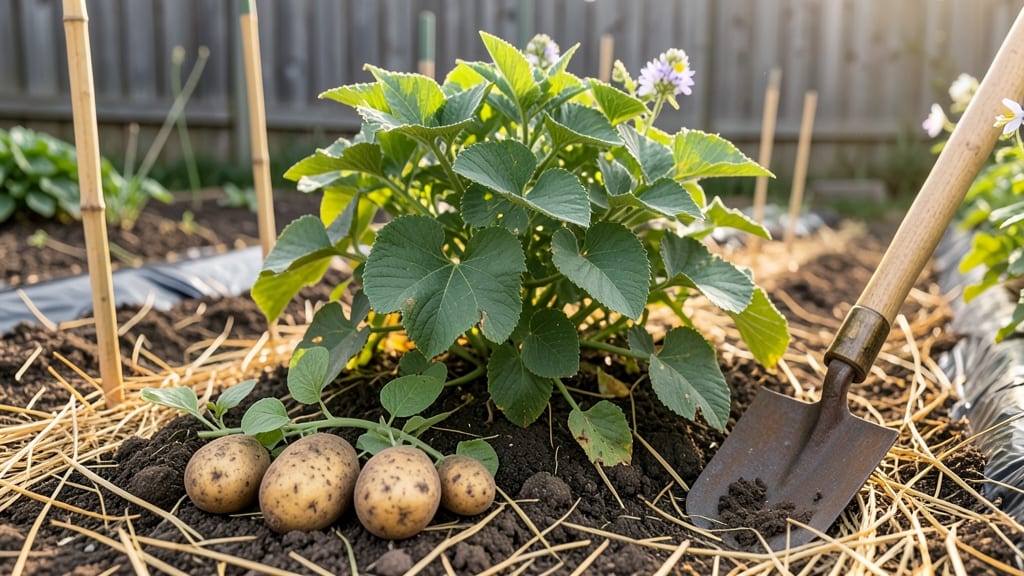
Florida’s ideal potato planting windows by soil temperature (not calendar months)
Forget the calendar—Florida’s potato planting success hinges on soil temperature, not months. Unlike northern climates, where potatoes thrive in cool spring soil, Florida’s warm winters and long summers demand a different approach. The critical germination window is when soil reaches 50–60°F, while tuber development thrives at 65–75°F.
University of Florida Extension studies show that planting too early or late can lead to rot, poor yields, or even no harvest at all.
Most Florida gardeners mistakenly follow northern planting guides, which recommend early spring. But in our climate, that often means overheated soil that cooks seeds before they sprout. Instead, we focus on two prime windows: late fall (September–October) and early spring (February–March), depending on your zone.
Let’s break down the science behind these windows and how to use a simple soil thermometer to nail your timing.
⚠️ NON-NEGOTIABLE: Never plant potatoes when soil temps exceed 80°F—they’ll rot in the ground before sprouting. This is why Zone 10a gardeners often use shade cloth or mulch to regulate soil temps during summer planting attempts.
🌱 Florida Potato Planting Windows by Soil Temp & Zone
| Zone | Ideal Soil Temp for Planting | Best Planting Window | Tuber Development Temp | Key Risk |
|---|---|---|---|---|
| 8a (North FL) | 50–58°F | Late Sept–Oct OR Feb–March | 65–72°F | Frost damage (Zone 8a) |
| 9a (Central FL) | 55–60°F | Oct–Nov OR Jan–Feb | 68–75°F | Overheating (>80°F) |
| 10a (South FL) | 60–65°F (with shade) | Aug–Sept OR Dec–Jan | 70–78°F | Pythium rot (too wet) |
💡 Pro Tip: Use a soil thermometer ($10 at garden centers) to check temps 6" deep before planting. Morning readings are most accurate.
Zone 8a gardeners in North Florida (like Jacksonville or Gainesville) have the most flexibility, with two clear windows: late September through October for a fall harvest, or February through March for a summer crop.
The key is avoiding freeze risks—even a light frost can damage young potato plants. In contrast, Zone 10a (Miami, Key West) requires shade cloth or mulch to prevent soil from overheating during summer attempts.
Here’s how to prep your soil for these windows: Test pH (aim for 5.0–6.5), amend with compost, and avoid fresh manure (it burns roots). In Zone 10a, I’ve had success using black plastic mulch to warm soil faster in December plantings.
The mulch also suppresses weeds and retains moisture—critical in Florida’s humid summers.
One common mistake Florida gardeners make is planting too early in spring (April–May). By then, soil temps often exceed 75°F, causing seeds to rot. Instead, wait until soil cools slightly in late May or June for a summer-fall harvest.
For fall plantings, start seeds indoors in late August to transplant when soil temps drop naturally.
Harvest timing also shifts with planting window. Fall-planted potatoes (Sept–Oct) typically ready in 90–100 days (late December–January), while spring plantings (Feb–March) harvest in 75–90 days (May–June).
Use a fork to dig when foliage yellows—this signals tubers have matured. Leave them in the sun for 24 hours to cure skins before storing.
🌱 For fastest germination, soak seed potatoes in water for 4–6 hours before planting. This jumpstarts root growth, especially in Florida’s heavy clay soils. Pair this with a mulch blanket (straw or leaves) to maintain even soil moisture—critical in our erratic rainfall patterns.
Florida’s ideal potato planting windows by soil temperature (not calendar months)
Florida’s warm climate throws traditional potato planting advice out the window—literally! Most gardeners assume spring is the only option, but soil temperature is the real game-changer. Potatoes need 50-60°F soil to germinate and 65-75°F for tuber development.
In Florida, that means planting shifts from fall to early spring, depending on your zone.
Unlike northern states, Florida’s microclimates create pockets where potatoes thrive year-round with the right timing. For example, North Florida (Zone 8a) can plant as early as October, while South Florida (Zone 10a) must wait until February to avoid heat stress.
University of Florida Extension studies show that planting too early in warm soil leads to rotten tubers or stunted growth.
🌱 Key Insight: Florida’s potato season isn’t about months—it’s about soil thermometers. A 50°F soil trigger in October-November works for cooler zones, while 60°F+ soil in February-March is ideal for southern regions. Skipping this step is like planting seeds in a microwave—zero germination guaranteed.
| Zone | Best Planting Window | Soil Temp for Germination | Soil Temp for Tuber Growth | Harvest Window |
|---|---|---|---|---|
| 8a (North FL) | Late October - Early November | 50-55°F | 60-68°F | March - April |
| 9a (Central FL) | Mid-November - December | 55-60°F | 65-72°F | April - May |
| 10a (South FL) | February - Early March | 60-65°F | 70-75°F | May - June |
Here’s the critical mistake most Florida gardeners make: planting potatoes when the air feels cool but the soil is still too warm. A soil thermometer (only $15!) is your best friend—stick it 6 inches deep, and wait until temps drop to the 50-60°F range before planting.
Pro tip: Morning soil temps are the most accurate because afternoon sun can skew readings by 10°F or more.
Once your potatoes are in the ground, mulch heavily with straw or grass clippings to maintain even soil temps. This prevents the up-and-down temperature swings that cause potatoes to sprout then rot. Think of mulch as a thermal blanket—it keeps roots cozy while allowing tubers to grow undisturbed.
Timing isn’t just about when to plant—it’s also about harvesting before the heat sets in. In Zone 10a, potatoes planted in March should be harvested by June to avoid sunscald (where tubers turn green and bitter from too much sunlight).
Use shade cloth if you’re pushing the season later, but even that’s a gamble in Florida’s summer.