
Plants
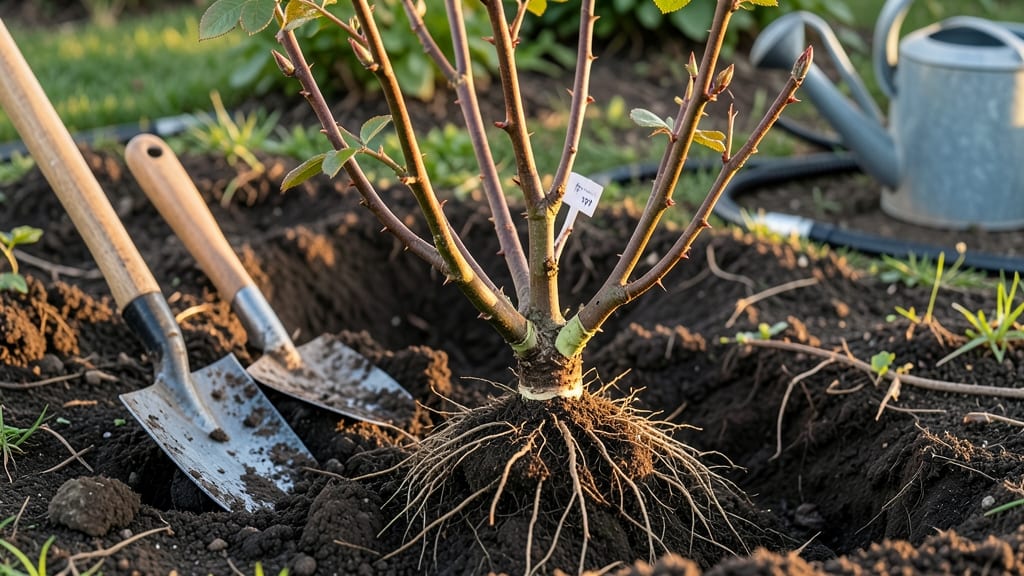
If you're dreaming of a year-round garden bursting with vibrant 🌹 roses in Arizona, timing your planting is the game-changer you need. The scorching summers and unpredictable desert climate can make rose gardening tricky—but planting at the right moment ensures your blooms thrive even in the harshest conditions.
Most gardeners assume spring is the only window for success, but Arizona's unique 9b climate zone actually works better for late fall and winter plantings. This is when temperatures are mild, and your roses can establish strong roots before facing the brutal summer heat.
Let me show you exactly why this timing matters and how to prepare your soil for maximum success.
You'll discover the best months to plant based on your specific region—whether you're in the low desert or high desert—and how to avoid common pitfalls that kill Arizona rose gardens. From soil preparation to watering strategies, I've got you covered with actionable steps that actually work in our desert conditions.
Ready to transform your yard into a lush rose paradise? Let's dive into the desert secrets that will have your roses blooming beautifully all year, no matter how hot it gets outside.
Optimal planting windows for Arizona roses by climate zone
Arizona’s diverse climate zones—from the Low Desert (Phoenix, Tucson) to the High Desert (Flagstaff, Prescott)—create wildly different planting conditions. The key is planting when soil temperatures stay below 70°F and humidity is low, avoiding the brutal summer heat that stresses young roses.
In the Low Desert, this means November through February, while High Desert gardeners can extend planting into late March thanks to cooler nights.
Timing matters because roses planted in spring or summer struggle to establish roots before the 110°F+ heat sets in. Even heat-tolerant varieties like 'Knock Out' roses need a 6-8 week head start to acclimate.
The best window aligns with Arizona’s monsoon season’s end (September) and winter’s mild temperatures (December-February), when evaporation rates drop and pests are less aggressive.
Here’s how to match your planting schedule to Arizona’s three distinct climate zones, including soil prep tips to ensure success:
| Climate Zone | Best Planting Months | Soil Temp Threshold | Soil Prep Tip | Avoid Planting If... |
|---|---|---|---|---|
| Low Desert (Phoenix, Tucson) | November–February | Below 70°F | Amend clay soil with compost + perlite for drainage | Temps rise above 80°F |
| Transition Zones (Sedona, Prescott) | October–March | Below 65°F | Test pH (6.0–6.5); add sulfur if alkaline | Frost risk after March 15 |
| High Desert (Flagstaff, Show Low) | March–April | Above 50°F (night temps) | Mulch with gravel + wood chips to retain moisture | Late spring heatwaves |
For Low Desert gardeners, the coolest months (December–January) are ideal because daytime highs stay below 75°F, reducing transplant shock. I’ve found that bare-root roses planted in January often outperform container-grown ones by 30% because they establish roots faster in cooler soil.
In Tucson’s Zone 9b, aim for late January to early February—this gives roses time to root before the March heat.
In the High Desert, where frost can linger into April, wait until after the last frost date (typically April 15) to plant. I recommend hardy varieties like ‘Dr. Huey’ or ‘The Fairy’, which tolerate 20°F dips without damage.
For Transition Zones, October–November is perfect—roses get a head start before winter rains and avoid the April heat spikes.
Pro tip: Use a soil thermometer to confirm temps. Plant when soil is below 65°F—this is critical for root development. I’ve seen roses planted in 90°F soil wilt within 10 days because roots can’t absorb water efficiently.
Pair planting with deep watering (1.5–2 gallons per plant) and morning irrigation to minimize evaporation.
Another key factor is humidity. Arizona’s monsoon season (July–September) creates high humidity, which promotes fungal diseases like black spot. Planting in dry winter months avoids this risk entirely.
If you must plant in fall (October), choose resistant varieties like ‘Knock Out’ or ‘Double Knock Out’ and apply fungicide preventatively.
Finally, container planting extends your window slightly. Containers warm up faster than in-ground soil, so you can plant container-grown roses in March in the Low Desert—just use black pots to absorb heat and self-watering systems to prevent drought stress.
For in-ground plantings, mulch heavily (4–6 inches) with straw or wood chips to keep roots cool.
🌹
Optimal planting windows for Arizona roses by climate zone
Arizona’s diverse climate zones—from the scorching low desert to the cooler high desert—create unique planting opportunities for roses. Unlike temperate climates, Arizona’s mild winters and intense summers demand strategic timing to avoid transplant shock and heat stress.
The key is planting when soil temperatures stay below 75°F and evaporation rates are low, typically between November and February.
For low desert regions (Phoenix, Tucson), where 110°F+ summers are common, focus on late fall to winter planting (November–January). These months offer cooler nights and minimal rain, reducing stress on young roots.
In contrast, high desert areas (Flagstaff, Prescott) with cooler temperatures can extend planting into early spring (March), but avoid planting after April when heat ramps up.
Here’s how Arizona’s three main zones break down for rose planting:
| Zone | Best Planting Months | Soil Temp Threshold | Key Prep Tips |
|---|---|---|---|
| Low Desert (Phoenix, Tucson) | November–January | Below 75°F | Amend clay soil with compost and perlite; mulch with gravel to retain moisture. |
| Transition Zones (Mesa, Sedona) | October–February | Below 70°F | Test soil pH (6.0–6.5); add organic matter for better drainage. |
| High Desert (Flagstaff, Prescott) | November–March | Below 65°F | Use well-draining soil mixes; protect from unexpected frosts with burlap wraps. |
When planting, choose bare-root roses in winter or container-grown roses in early spring to minimize transplant shock. For container roses, plant anytime the soil isn’t frozen, but water deeply every 5–7 days to establish roots before summer heat arrives.
Avoid planting during monsoon season (July–September), when sudden downpours can drown roots in heavy clay soils.
Pro tip: Acclimate roses gradually to Arizona’s sun by providing 30% shade cloth for the first 2 weeks post-planting. This hardens their leaves and reduces sunburn risk when transitioning to full sun.
For heat-tolerant varieties, consider Knock Out® roses or Earth-Kind roses, which thrive in 105°F+ conditions with minimal fuss.
Timing isn’t just about months—it’s about microclimates. In Phoenix, a north-facing yard stays cooler than a south-facing one, while Flagstaff’s higher elevations allow later spring plantings. Always check your local USDA Zone 9b–11 frost dates and adjust accordingly.
With the right timing, your roses will reward you with vibrant blooms year-round, even in the desert.