
Plants
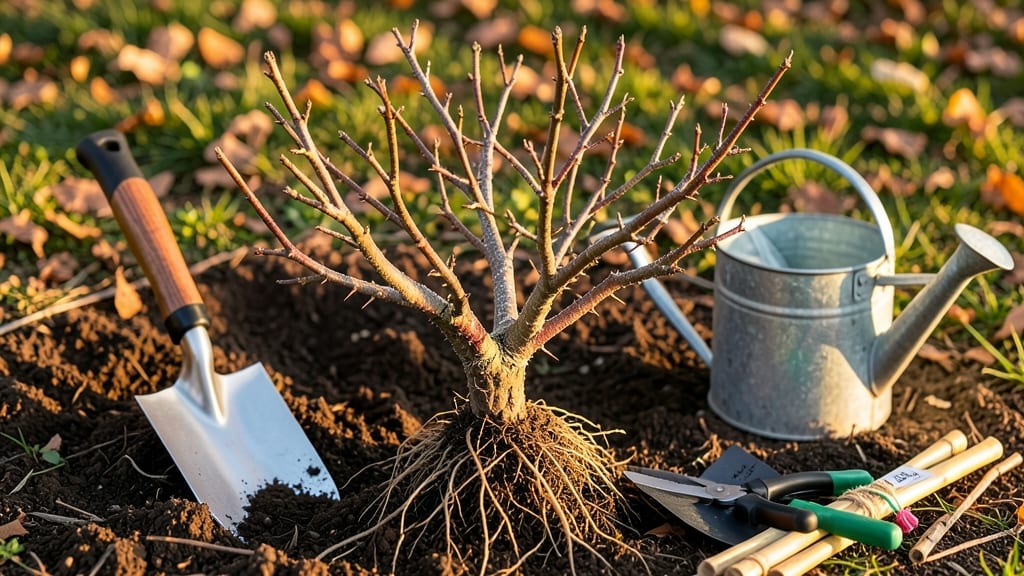
Timing is everything when it comes to planting bare root roses in Zone 9—get it wrong, and your 🌹 could struggle to take root before summer heat sets in.
Unlike cooler climates, Zone 9's mild winters and warm springs mean you've got a narrow window to plant these delicate roots without stressing them.
Most gardeners in Zone 9 focus on spring planting, but that's actually the riskiest time for bare root roses. The key is to plant when the soil is cool but not frozen, giving roots time to establish before temperatures climb.
For coastal areas, this window starts earlier than inland spots, where nights stay cooler longer.
I've seen firsthand how a 2-week difference in planting can mean the difference between thriving roses and ones that fight to survive. The secret isn't just picking a month—it's understanding your specific microclimate and preparing the soil just right to give those roots the best possible start.
Let me show you exactly when to plant in your area, how to tell when your roses are ready, and the simple care routine that'll have them blooming like crazy. Your future 🌹 garden starts with these timing secrets.
Optimal bare root rose planting timeline for Zone 9: coastal vs inland differences
Zone 9 gardeners enjoy mild winters, but timing is everything when planting bare root roses. Coastal areas like San Diego and Santa Barbara have cooler, wetter winters, while inland spots like Phoenix and Riverside experience warmer days and cooler nights.
These microclimates shift the best planting window by weeks—sometimes even months.
For coastal Zone 9, aim for November through January when soil temps stay between 50°F and 60°F. Inland gardeners should plant between December and February, avoiding the hottest inland winters.
Both regions share one critical rule: never plant when soil temps exceed 65°F—this triggers heat stress and root burn.
Here’s how the two climates differ in practice:
| Factor | Coastal Zone 9 | Inland Zone 9 |
|---|---|---|
| Best Planting Window | Nov–Jan | Dec–Feb |
| Soil Temp Threshold | 50°F–60°F | 55°F–65°F |
| Rainfall Timing | Winter rains help | Dry winters require irrigation |
| Frost Risk | Light coastal frost possible | Minimal frost risk |
| Key Planting Month | December | January |
In coastal areas, December is ideal because winter rains reduce irrigation needs, while inland gardeners should wait until January to avoid the heat spike that arrives by late February. Both regions benefit from planting on overcast days—this reduces transplant shock and helps roots establish faster.
If you’re in a transition zone (like parts of Orange County or Ventura), monitor soil temps with a soil thermometer. Plant when temps drop below 65°F and stay there for at least 7–10 days. This consistency is key to preventing root desiccation.
Pro tip: Soak bare root roses for 4–6 hours before planting to rehydrate the roots. Then, amend your soil with compost and grit (like perlite or coarse sand) to improve drainage—a must in Zone 9’s heavy clay soils.
Coastal gardeners can add mycorrhizal fungi to boost root growth in wetter conditions.
For inland gardeners, mulch heavily (3–4 inches of wood chips) to retain moisture and cool the soil. This is especially critical in Phoenix and Palm Springs, where summer heat arrives early. Avoid synthetic mulches—they can overheat roots.
Timing isn’t just about months; it’s about soil conditions. Test your soil’s moisture level before planting—it should feel like a wrung-out sponge. If it’s bone-dry, wait another week or two. Patience here pays off with stronger root systems and healthier blooms next season.
Remember: Zone 9’s long growing season means roses planted too early (like in October) may struggle with heat stress by spring. Conversely, planting too late (after March) risks summer drought before roots establish. Strike that balance, and your bare root roses will thrive.
Optimal bare root rose planting timeline for Zone 9: coastal vs inland differences
Zone 9’s mild winters and hot summers create unique challenges for planting bare root roses. Coastal areas like San Diego or Los Angeles enjoy cooler, wetter winters, while inland zones like Phoenix or Las Vegas experience warmer days and cooler nights.
Timing your planting to match these microclimates is key to avoiding heat stress or root rot.
For coastal Zone 9, the best planting window stretches from November through March, when soil temperatures stay cool and moisture levels are higher. Inland gardeners should aim for late November to February, avoiding the peak summer heat that can shock newly planted roses.
Both regions benefit from soil temperatures below 65°F—a critical threshold for root establishment.
Why timing matters: Planting too early in coastal areas risks excessive rainfall, while inland planting in late winter avoids the drying winds of spring. Let’s break down the month-by-month schedule to help you choose the perfect window for your location.
Zone 9 Bare Root Rose Planting Comparison
| Month | Coastal Zone 9 | Inland Zone 9 | Soil Temp Threshold |
|---|---|---|---|
| November | ✅ Ideal (cool, moist soil) | ✅ Ideal (mild days, cool nights) | 55-65°F |
| December | ✅ Ideal (minimal frost risk) | ✅ Ideal (stable temps) | 50-60°F |
| January | ✅ Ideal (peak moisture) | ✅ Ideal (cooler nights) | 45-55°F |
| February | ⚠️ Good (watch for early heat) | ✅ Ideal (last cool window) | 50-60°F |
| March | ❌ Risky (soil warming) | ⚠️ Good (early spring) | 60-70°F |
| April | ❌ Avoid (heat stress) | ❌ Avoid (drying winds) | 70°F+ |
🌱 Pro Tip: Test soil moisture before planting—it should feel damp but not soggy.
If you’re in a coastal microclimate, prioritize November to January for the best balance of cool soil and moderate rainfall. Inland gardeners should focus on December to February, as March temperatures often spike too quickly for new roots to establish.
Both regions should avoid planting after March 15, as soil temperatures exceed 65°F, increasing the risk of root burn.
For inland Zone 9, consider shade cloth if planting in late February to protect young roots from afternoon sun. Coastal gardeners can extend the window slightly into early April if using mulch to insulate soil and retain moisture.
The key is soil temperature, not just air temperature—use a soil thermometer to confirm conditions before planting.
Once you’ve chosen your planting window, prepare the soil with compost and organic matter to improve drainage—a critical factor in Zone 9’s clay-heavy soils. Amend with sand or perlite if your soil feels compacted, and avoid fresh manure, which can burn delicate roots.
With the right timing and prep, your bare root roses will thrive in Zone 9’s challenging climate.