
Flowers
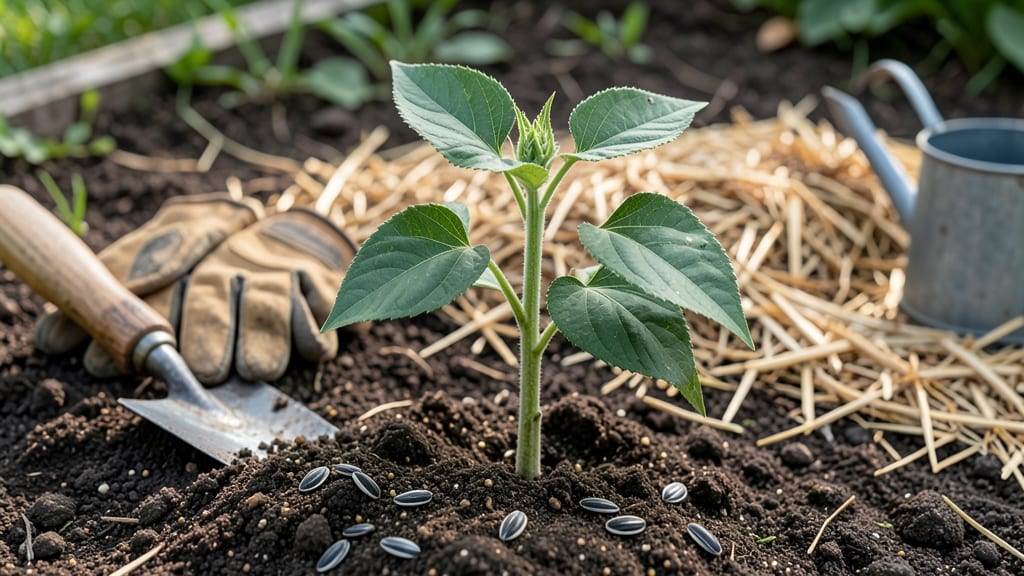
If you've ever stared at your sunflower seeds wondering "when is the best time to plant sunflowers in Florida", you're not alone—Florida's unique climate demands a different strategy than other states.
The wrong timing can mean wilted blooms or stunted growth, but get it right, and you'll enjoy towering 🌻 sunflowers from spring to fall.
Here's the secret: Florida's frost-free zones (like 9a-11) mean you can plant sunflowers almost year-round, but the best windows are March-April for spring blooms and August-September for fall harvests. These months give your sunflowers enough warmth without the brutal summer heat that stresses young plants.
I've learned the hard way that planting too early in Florida's heat can shock seedlings, while waiting too late risks summer's intense rays. The key is understanding your microclimate—whether you're in North Florida's cooler areas or South Florida's extended growing season—and adjusting your schedule accordingly.
In this guide, I'll walk you through the exact months that work, soil prep tips, and how to avoid common Florida-specific mistakes that keep sunflowers from reaching their full potential. Let's get those seeds in the ground the right way!
Optimal Florida sunflower planting months by variety (heat-tolerant guide)
Sunflowers thrive in Florida’s warm climate, but timing is critical to avoid heat stress or pests.
Unlike northern states, Florida’s frost-free growing season means you can plant year-round—but spring and fall yield the best results. Heat-tolerant varieties like 'Autumn Beauty' or 'Moulin Rouge' handle Florida’s humidity better than traditional types.
Most Florida gardeners focus on two planting windows: early spring (March-April) and late summer (August-September). Spring sunflowers bloom before summer’s peak heat, while fall varieties avoid hurricane season and pests like aphids. Direct-sow seeds after soil warms to 50°F+ (10°C+) for fastest germination.
Here’s how Florida’s USDA Zones 9a-11 affect planting:
| Variety Type | Best Planting Months | Key Notes | Height (ft) |
|---|---|---|---|
| Early Spring | March–April | Blooms before summer heat; ideal for North Florida. | 6–12 |
| Mid-Summer | June–July | Risk of heat stress; use dwarf varieties. | 3–6 |
| Fall | August–September | Avoids hurricanes; best for South Florida. | 8–16 |
| Heat-Tolerant | April–May or Sept–Oct | Choose 'Moulin Rouge' or 'Autumn Beauty'. | 4–12 |
For North Florida (Zones 8a-9a), plant March 15–April 15 to beat summer’s 90°F+ (32°C+) heat. South Florida (Zones 10a-11) can extend planting to October 1–November 15 for winter blooms. Always test soil moisture before watering—Florida’s humidity can trick you into overwatering.
Pro tip: Mulch with straw after planting to retain moisture and deter weeds. This is especially critical in sandy Florida soils, which dry out quickly. Straw mulch also helps regulate soil temperature, protecting young seedlings from heat spikes.
If you’re growing sunflowers for seeds or cut flowers, prioritize fall planting. Sunflowers sown in September often produce larger blooms and more seeds than spring-planted varieties. Harvest seeds when the back of the flower head turns yellow-brown and the petals wilt naturally.
Avoid planting in July or August unless you’re using shade cloth or dwarf varieties. The combination of heat and humidity can lead to powdery mildew or stem rot. Instead, opt for succulents or annuals that handle Florida’s peak summer better.
For container gardening, start seeds 4–6 weeks before your target planting date. Use 5-gallon pots minimum to accommodate deep roots. Terracotta pots help prevent overwatering, a common issue in Florida’s rainy season.
Remember: Sunflowers are annuals, so replant each year for the best results. Save seeds from your healthiest plants to grow next season—Florida’s climate can even improve seed viability over generations!
How to adjust sunflower planting for Florida’s microclimates (North vs. South)
Florida’s climate varies dramatically from North to South, creating distinct microclimates that affect sunflower planting. In North Florida (Zones 8a-9a), cooler winters mean you can start seeds indoors as early as February, while South Florida (Zones 10a-11) enjoys year-round growing potential with minimal frost risk.
These differences mean your planting schedule should shift based on your location.
North Florida gardeners face shorter growing seasons and occasional light frosts in December, while South Florida’s warm winters allow for extended harvests. For example, Jacksonville (Zone 8b) might see its last frost in early March, while Miami (Zone 11) rarely drops below 50°F (10°C).
Adjust your timing accordingly to avoid heat stress or pest outbreaks.
Here’s how to tailor your sunflower planting to Florida’s microclimates:
| Region | Best Planting Window | Key Adjustments | Harvest Window |
|---|---|---|---|
| North Florida (Zones 8a-9a) | March 15–April 15 (spring) or Sept 1–Oct 15 (fall) | Use row covers for early spring; avoid July planting. | May–June (spring) or Oct–Nov (fall) |
| Central Florida (Zones 9a-9b) | Feb 28–April 30 (spring) or Aug 15–Sept 30 (fall) | Extend fall planting to November 15 for winter blooms. | April–June (spring) or Sept–Dec (fall) |
| South Florida (Zones 10a-11) | Jan 15–April 15 (spring) or Aug 1–Nov 15 (fall) | Plant year-round with shade cloth in peak summer. | March–July (spring) or Aug–Dec (fall) |
In North Florida, prioritize spring planting to capitalize on cooler temperatures. Start seeds indoors in February and transplant outdoors after the last frost (typically March 15). For fall, aim for September planting to avoid hurricane season and ensure blooms before winter chill sets in.
South Florida gardeners have the luxury of year-round planting, but focus on avoiding July and August when temperatures exceed 95°F (35°C). Instead, plant in early spring (January–March) or late summer (August–September) for the best results.
Use shade cloth if planting in peak summer to protect seedlings from heat stress.
For extended harvests, try succession planting every 2–3 weeks during your region’s ideal window. This ensures a continuous supply of cut flowers or seeds. In South Florida, you can even plant a winter crop in December for early spring blooms, though growth will slow during cooler months.
One critical adjustment for Florida gardeners is soil preparation. North Florida’s soils are often clay-heavy, while South Florida’s are sandy and fast-draining. Amend both with compost and organic matter to improve moisture retention. In sandy soils, add peat moss to help retain water during Florida’s dry spells.
Don’t forget to monitor humidity levels, which are higher in South Florida. This increases the risk of powdery mildew or stem rot.
Space plants 18–24 inches apart for airflow, and avoid overhead watering to keep foliage dry. Mulching with straw helps regulate soil temperature and reduce fungal risks in both regions.