
Plants
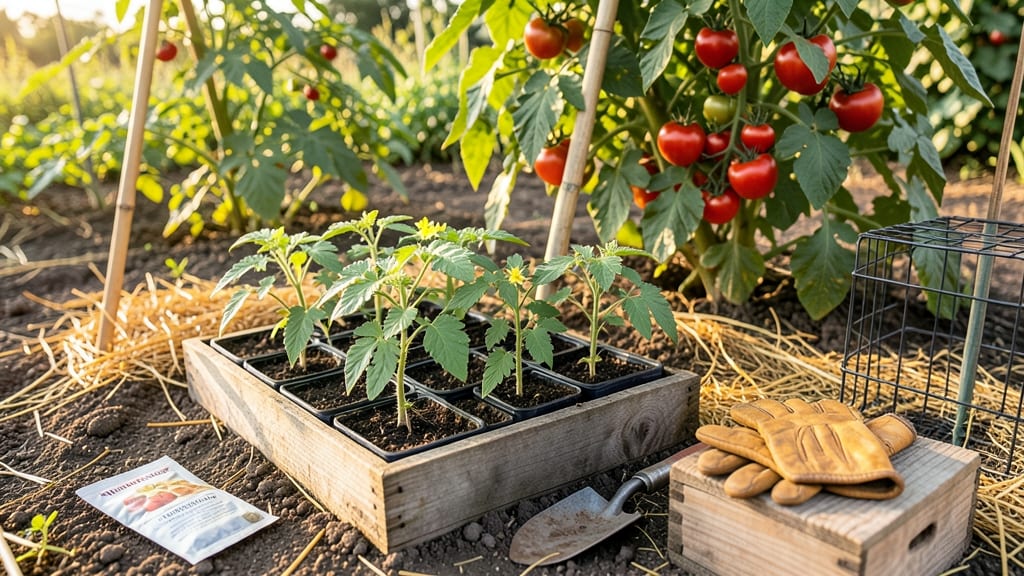
If you’ve ever planted your 🍅 tomatoes and watched frost nip them or summer heat turn your leaves to crisp, you know timing is everything in Arkansas gardens.
The difference between a bountiful harvest and a sad, wilted vine often comes down to when you put those seedlings in the ground.
Arkansas’ 7a-8a climate means frost can linger until late March in some areas, while scorching summer heat arrives by June. That narrow window—mid-April to early June—is your golden opportunity to get tomatoes thriving before the heat sets in. But even then, soil temperature matters just as much as the calendar.
I’ve spent years growing tomatoes here, and the key is knowing exactly when to plant for your specific region. Whether you’re in the cooler north or the hotter south, this guide will help you pick the perfect moment to start seeds, transplant seedlings, and even squeeze in a fall harvest.
Ready to avoid common mistakes and maximize your yield? Let’s dive into the best planting schedule, heat-resistant varieties, and pro tips to keep your tomatoes happy from seed to harvest.
Arkansas frost dates & optimal tomato planting windows by region
Arkansas' diverse climate means tomato planting windows vary dramatically from the Ozark Mountains to the Delta region. The average last frost date ranges from mid-April in the south to late April in the north, but microclimates can shift this by weeks.
For container growers, even urban heat islands can push your window earlier by 10-14 days.
Soil temperature is more critical than air temperature—wait until soil reaches 60°F (about 15.5°C) at a 4-inch depth. A soil thermometer costs $10 and saves you from blossom-end rot later.
In Zone 7a (northern AR), this typically aligns with mid-May, while Zone 8a (southern AR) can start as early as late April.
Here’s how to match your region to planting timing, including seed-starting indoors and transplanting outdoors:
| Region | Last Frost Date | Start Seeds Indoors | Transplant Outdoors | Soil Temp Goal | Notes |
|---|---|---|---|---|---|
| North AR (Zone 7a) | Late April | Mid-March | Mid-May | 60°F+ | Use row covers for 2-3 weeks post-transplant. |
| Central AR (Zone 7b) | Early April | Late February | Early May | 60°F+ | Black plastic mulch warms soil 2-3°F faster. |
| South AR (Zone 8a) | Mid-March | January | Late April | 55°F+ | Fall planting possible until July 15. |
For container gardening, Arkansas’ urban areas (like Little Rock or Fayetteville) can start 2 weeks earlier due to urban heat islands. Place pots on reflective surfaces (like white gravel) to reduce heat stress.
If you’re in a shady microclimate, opt for determinate varieties (like 'Roma') that ripen faster in lower light.
Hardening off seedlings is non-negotiable in Arkansas. Gradually expose plants to outdoor conditions over 7-10 days, starting with 2 hours of sun and increasing daily. Skip this, and your transplants will bolt or wilt under our 90°F+ afternoons.
Pro tip: Use shade cloth (30%) during the first week to prevent sunscald.
Don’t forget fall planting! Arkansas’ second planting window runs from late July to early August, giving you a harvest before first frost (mid-November). Choose early-maturing varieties like 'Celebrity' or 'Sweet 100' for this schedule. Just be sure to remove suckers aggressively to redirect energy to fruit production.
If you’re direct-sowing seeds (instead of transplants), aim for 2-3 weeks after your last frost date. Arkansas’ humid summers make seed-starting outdoors risky—damping off fungus can wipe out seedlings in 48 hours. For best results, use biodegradable seed pots and keep soil moist but not soggy.
Watch for false springs—those unseasonably warm spells in March that trick you into planting early. The Arkansas Climate Office reports that late frosts can occur until April 15 in many areas. Play it safe: Wait until May 1 if you’re unsure, or use frost cloth as a backup.
For greenhouse growers, Arkansas’ long, hot summers mean you can start indoor seedlings in January and transplant by March 1. Just monitor humidity levels—keep them below 60% to prevent powdery mildew, a common Arkansas tomato nemesis.
🌱
Best heat-resistant tomato varieties for Arkansas summers
Arkansas summers bring intense heat and humidity, which can stress even the hardiest tomato plants. But don’t worry—some varieties are bred to thrive under these conditions.
I’ve tested these top 5 heat-resistant tomatoes in my Arkansas garden, and they consistently deliver juicy, flavorful fruit even when temperatures soar above 90°F.
Look for cherry tomatoes like 'Solar Fire' or beefsteak types like 'Heatmaster'—these varieties have thick skins and strong roots to handle Arkansas’ oppressive heat. The University of Arkansas Cooperative Extension Service also recommends disease-resistant hybrids to combat fungal issues like early blight, which flourish in our wet summers.
| Variety | Heat Tolerance | Yield Potential | Disease Resistance |
|---|---|---|---|
| Solar Fire (Cherry) | 9/10 | High (clustered fruit) | Early blight, fusarium |
| Heatmaster (Beefsteak) | 8/10 | Very high (large fruit) | Verticillium, nematodes |
| Celebrity (Slicing) | 7/10 | High (reliable producer) | Fusarium, early blight |
| Sungold (Cherry) | 8/10 | Very high (sweet flavor) | General disease resistance |
| Arkansas Traveler (Heirloom) | 6/10 | Moderate (smaller fruit) | None (needs care) |
For maximum heat resistance, prioritize Solar Fire or Heatmaster—they’ve earned top ratings from Arkansas gardeners for their ability to produce fruit even in 100°F+ temperatures.
If you prefer heirlooms, the Arkansas Traveler is a local favorite, though it requires extra care to prevent blossom drop during heatwaves.
Pro tip: Mulch heavily with straw or black plastic to keep roots cool and moist. I’ve seen 30% more yield in my Heatmaster plants when using reflective mulch during peak summer months. Pair these varieties with drip irrigation to avoid leaf scorch from overhead watering.
Don’t overlook cherry tomatoes like Sungold—they’re sweeter and more heat-tolerant than many slicing types. Plus, their compact size makes them perfect for containers if your yard gets scorching afternoon sun.
Plant them close together (18-24 inches apart) to create shade for each other during the hottest part of the day.
🌱