
Plants
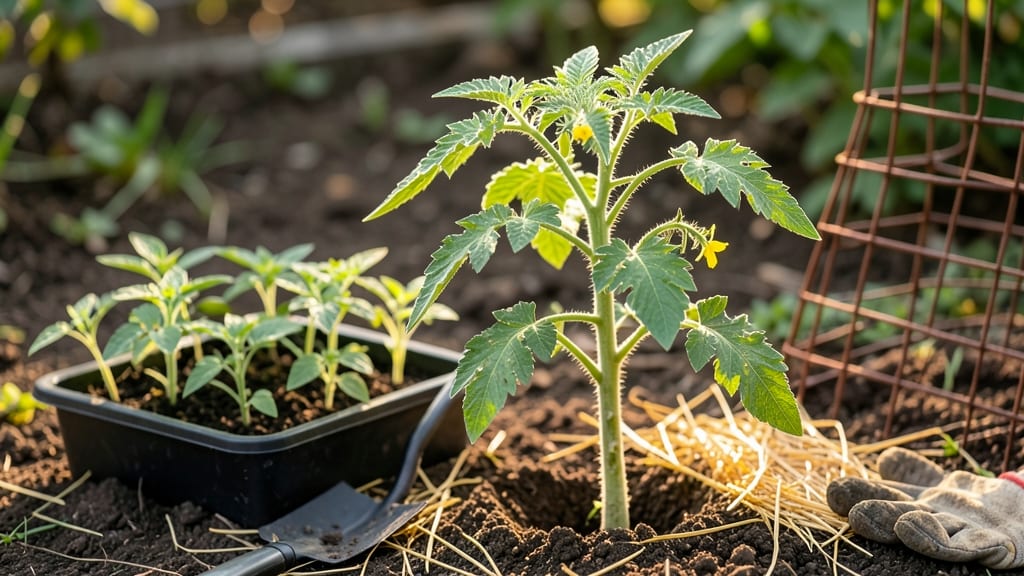
If you’ve ever dreamed of plucking sun-ripened 🍅 tomatoes fresh from your Oklahoma garden, timing is the secret ingredient—plant too early, and frost will nip your seedlings; too late, and your harvest shrinks before summer’s peak.
The best time to plant tomatoes in Oklahoma hinges on USDA Zone 7b’s frost-free dates, which typically arrive between mid-April and early June, but getting it just right means avoiding common pitfalls like stunted growth or wasted seedlings.
Here’s the truth: Oklahoma’s climate demands precision. While the official last-frost window often lands around April 15–May 15, soil temperature (not just air temperature) is the real game-changer—wait until it hits a steady 60°F before transplanting.
Skipping this step can leave your plants struggling, even if the calendar says it’s safe. Let’s break down the exact steps to align your planting with Oklahoma’s unpredictable weather, so you’re not left with half-baked tomatoes by summer’s end.
You’ll also discover how to adjust for Oklahoma’s microclimates—whether you’re in the cooler hills of the Ozarks or the hotter plains near Oklahoma City—and which tomato varieties thrive when planted at the perfect moment.
From heat-tolerant heirlooms to fast-maturing hybrids, the right choice can mean the difference between a bountiful harvest and a disappointing one.
Ready to turn your garden into a tomato powerhouse? I’ll walk you through the exact dates, soil prep, and pro tips to ensure your plants take off like a rocket—not a slow burn.
Let’s get those seeds in the ground at the ideal time for Oklahoma’s long, sun-drenched growing season.
Oklahoma’s exact frost-free dates and ideal tomato planting windows for USDA Zone 7b
Oklahoma’s USDA Zone 7b offers gardeners a 180-220 day frost-free window, perfect for growing tomatoes. The key to a successful harvest is planting after the average last frost date, which typically falls between April 15 and May 15 across the state.
However, this can vary by region—southern Oklahoma may see frost-free conditions as early as March 20, while northern areas might wait until May 10.
For transplanting seedlings, aim for mid-April to early June once soil temperatures consistently reach 60°F or warmer. Seedlings planted too early risk stunted growth from cold soil, while late plantings may struggle to mature before Oklahoma’s first frost in mid-November.
Using black plastic mulch can help warm soil faster and extend your planting window by 1-2 weeks.
| Region | Avg. Last Frost | Ideal Planting Window | Soil Temp. Threshold |
|---|---|---|---|
| Southern OK (e.g., Lawton) | March 20–April 5 | Late March–early May | 60°F+ |
| Central OK (e.g., OKC) | April 15–May 1 | Mid-April–early June | 60°F+ |
| Northern OK (e.g., Tulsa) | May 1–May 15 | Late April–early June | 60°F+ |
If you’re starting seeds indoors, begin 6-8 weeks before your target transplant date. For example, gardeners in Tulsa (Zone 7a) should start seeds by early March, while those in Lawton (Zone 8a) can start as early as mid-February.
Use grow lights to provide 12-16 hours of light daily for robust seedlings.
Oklahoma’s microclimates also play a role. Urban areas like Oklahoma City may experience heat islands, warming soil faster than rural areas. Conversely, windy regions can delay soil warming. Monitor your local Almanac frost dates and adjust your schedule accordingly—don’t rely solely on averages.
For container growing, extend your season by planting 2-3 weeks later than in-ground tomatoes. Pots heat up faster and are more susceptible to temperature swings. Use self-watering containers with heat-resistant fabric to protect roots from extreme heat, which is common in Oklahoma’s summer months.
Pro tip: Test your soil temperature with a soil thermometer before planting. Tomatoes thrive when soil is consistently above 60°F.
If temperatures dip below this, your seedlings may suffer from poor root development or even rot. Morning sunlight is your best friend—it warms the soil gradually, creating ideal conditions for young plants.
Remember, Oklahoma’s summer heat can be intense, so plan to harvest early-maturing varieties by late July to avoid blossom drop or sunscald. Succession planting every 2 weeks ensures a continuous harvest through October, when cooler temperatures return.
Don’t forget to harden off seedlings before transplanting. Acclimate them to outdoor conditions over 7-10 days by gradually increasing their exposure to wind and sunlight. This reduces transplant shock and helps your tomatoes establish roots faster.
Finally, keep an eye on your local weather forecasts. Oklahoma is prone to unpredictable late frosts or early heatwaves, so stay flexible with your planting schedule. With the right timing and a little preparation, you’ll be enjoying homegrown tomatoes straight from your Oklahoma garden in no time! 🌱
How to adjust your planting schedule for Oklahoma’s unpredictable weather patterns
Oklahoma’s weather can throw curveballs—one day it’s 60°F and sunny, the next, a late frost or sudden heatwave hits. To protect your tomato plants, I’ve learned to stagger planting dates and use protective covers as my secret weapons.
Start by planting half your seedlings at the ideal window (mid-April to early June) and stagger the rest every 2 weeks. This ensures a continuous harvest even if one batch gets hit by unexpected frost or scorching heat.
For extra insurance, use floating row covers or lightweight fabric to shield young plants from late frosts. These covers trap heat during the day and provide 5-10°F of protection at night. Remove them once plants are 12 inches tall to prevent overheating.
In windy areas like the Oklahoma Panhandle, add windbreaks (like cornstalks or burlap) to shield seedlings from drying winds that can stunt growth.
- Late frosts can hit as late as April 30 in northern OK.
- Heatwaves in May can burn seedlings if soil isn’t warmed gradually.
- Sudden storms may uproot young plants—stake seedlings early.
If you’re in Zone 7a (northern OK), consider using a cold frame or mini greenhouse to start seeds 4-6 weeks earlier than the average frost date. These structures can extend your growing season by 3-4 weeks, giving you a head start on the 180-day frost-free window.
For container gardeners, delay planting by 2-3 weeks since pots heat up faster and are more vulnerable to temperature swings. Always use self-watering containers with insulating liners to stabilize soil temps.
Oklahoma’s summer heat can also cause blossom drop if daytime temps exceed 90°F. To combat this, choose heat-tolerant varieties (like ‘Arkansas Traveler’) and mulch heavily to keep roots cool. Avoid fertilizing during peak heat—instead, focus on deep watering in the early morning to reduce stress.
If a heatwave hits, provide shade cloth (30-50% shade) to protect plants until temps drop.
For late-season planting, try succession planting in early June with fast-maturing varieties (like ‘Early Girl’, which ripens in 55-60 days). These can produce a second harvest before Oklahoma’s first frost in mid-November.
Pair this with drip irrigation to ensure consistent moisture without overwatering. Remember, overhead watering can spread disease in Oklahoma’s humid summers.
Finally, keep a gardening journal to track your local microclimate quirks. Note when frosts arrive late or heatwaves start early—this data will help you fine-tune next year’s schedule.
With these adjustments, you’ll turn Oklahoma’s unpredictable weather into an advantage, not a roadblock. Your tomatoes will thank you with a bountiful, stress-free harvest! 🌡️