
Flowers
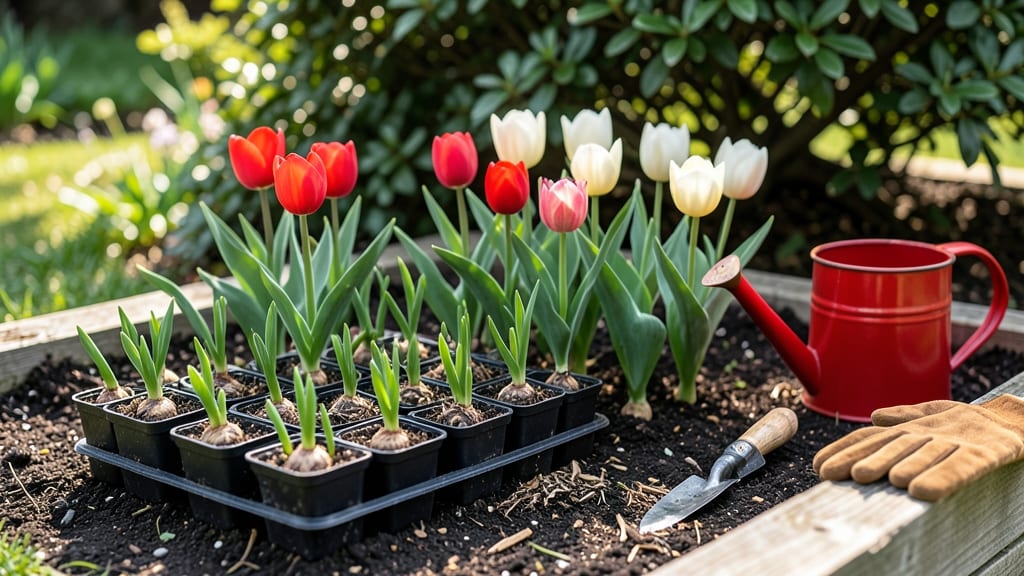
Timing your spring flower planting can feel like solving a puzzle—one wrong move, and your beautiful blooms might never make it past the first frost. But here's the good news: with the right schedule, you can transform your garden into a vibrant canvas of color, no matter where you live.
In Zone 6a, where I garden, the key is planting after the last frost—typically around April 15—but the exact timing depends on whether you're sowing annuals, perennials, or bulbs.
For instance, cold-hardy flowers like pansies can handle early planting, while heat-lovers like zinnias need to wait until the soil warms to 50°F. The difference between these two approaches is the difference between a garden that thrives and one that struggles.
What I’ve learned is that preparation is everything. Whether you’re amending soil, mulching to retain moisture, or adjusting your watering schedule, these small steps make all the difference. Let’s break it down by zone and flower type so you can plant with confidence—and watch your garden burst into life.
Ready to get started? I’ll walk you through a week-by-week guide tailored to your hardiness zone, plus a checklist to track your progress. No more guessing—just vibrant, healthy flowers from spring to fall.
Spring flower planting timeline by USDA hardiness Zones (exact weeks)
Planting flowers in spring isn’t a one-size-fits-all task—your USDA hardiness zone dictates the perfect window for vibrant blooms. In Zone 3, where frosts linger until May, start cool-season annuals like pansies by late April, while Zone 10 gardeners can sow heat-lovers like marigolds as early as mid-February.
The key? Plant when soil hits 50°F (10°C) and frost risk drops below 20%.
For perennials, timing varies wildly.
In Zone 5, divide daylilies in early April before new growth starts, but wait until May 15 in Zone 7 to avoid late frosts. Bulbs like tulips should hit the ground by late October for next spring’s show—but if you missed that window, plant daffodils in November for their squirrel-proof resilience.
Use your local frost-free date as your anchor. Check the National Weather Service or Old Farmer’s Almanac for your area, then count back 2-4 weeks for cool-season flowers. Pro tip: In Zone 4, cover tender plants with frost cloth if night temps dip below 32°F (0°C) after planting.
Soil temperature matters more than air temperature. Stick a soil thermometer 2 inches deep—50°F (10°C) is ideal for most flowers, but peas and lettuce thrive at 40°F (4°C). In Zone 8, where winters are mild, you can start zinnias indoors in March for a June bloom.
Here’s your zone-by-zone cheat sheet for planting annuals, perennials, and bulbs—adjust for early vs. late springs by ±2 weeks:
| Zone | Annuals (Cool-Season) | Annuals (Warm-Season) | Perennials | Bulbs |
|---|---|---|---|---|
| 3-4 | Late April–May | After May 15 | Early April | Fall (Oct–Nov) |
| 5-6 | Mid-April–May | After last frost | Late April | Fall (Oct) |
| 7-8 | March–April | Feb–March (indoors) | Early March | Fall or early spring |
| 9-10 | Jan–Feb | Year-round (succession plant) | Jan–Feb | Fall or spring |
In Zone 6a, like my garden in Virginia, I plant snapdragons and sweet peas by April 15—just after our average last frost.
For heat-lovers like cosmos, I wait until May 10 when soil warms to 60°F (15°C). Perennials like coneflowers get a head start in March if I mulch heavily to protect roots.
Don’t forget succession planting! In Zones 7-10, sow basil and marigolds every 2 weeks from spring to fall for continuous blooms. Use row covers in cooler zones to extend the season by 3-4 weeks—just remove them when flowers bloom to prevent heat stress.
For bulbs, timing is critical. In Zone 5, plant tulips by October 1 for spring blooms, but daffodils can wait until <
Best flowers to plant in early vs. late spring (with frost Tolerance guide)
Spring’s fleeting window demands smart choices—plant cold-hardy flowers early for spring color, then transition to heat-lovers as soil warms. In Zones 3-6, I start with pansies and snapdragons in late April—they tolerate 28°F (-2°C) frosts and bloom 6-8 weeks later.
For late spring, switch to marigolds and zinnias, which thrive once soil hits 60°F (15°C).
Your frost tolerance guide should include these top performers:
Pansies
Frost Tolerance: 28°F (-2°C)
Planting Time: Early spring
Bloom Time: 6-8 weeks
Snapdragons
Frost Tolerance: 25°F (-4°C)
Planting Time: Late April
Bloom Time: 8-10 weeks
Marigolds
Frost Tolerance: 32°F (0°C)
Planting Time: After last frost
Bloom Time: 60-70 days
Zinnias
Frost Tolerance: 35°F (2°C)
Planting Time: May-June
Bloom Time: 60-75 days
In Zones 7-10, extend your season with sweet peas (plant in February for April blooms) and cosmos, which self-seed prolifically. For containers, try petunias—they bloom 8 weeks after planting and handle 30°F (-1°C) frosts if mulched.
Always check seed packets for days to maturity to align planting with your first frost date.
Pro tip: Use row covers to plant warm-season flowers like geraniums 2-3 weeks earlier in Zones 5-6. Remove covers when buds form to prevent heat stress. My Zone 6a garden thrives with black-eyed Susans planted in May—they tolerate 28°F (-2°C) and bloom until first frost.
For bulbs, daffodils and tulips planted in fall need no spring attention, but hyacinths (tolerate 20°F (-7°C)) can be tucked into early April for May blooms. Pair bulbs with annuals like calendulas (tolerate 25°F (-4°C)) for continuous color.
Remember: Succession planting is your secret weapon. In Zones 7-10, sow basil and marigolds every 2 weeks from March to September for nonstop blooms. Use shade cloth in late spring to protect delicate petunias from scorching sun.