
Flowers
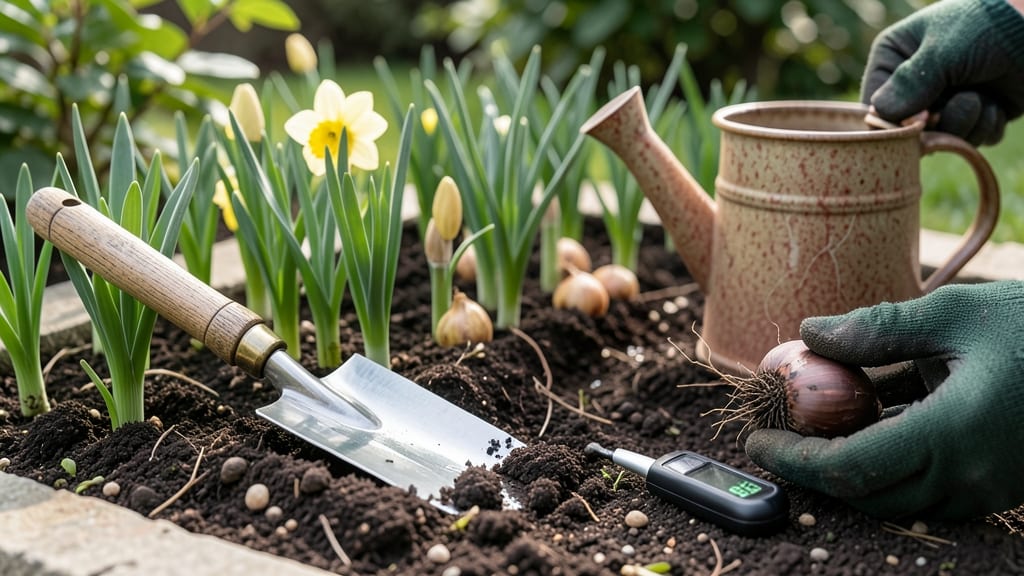
Timing your spring flower planting wrong can mean wilting dreams before blooms even appear—but knowing your USDA zone turns guesswork into a foolproof strategy. Whether you're in Zone 6a or further south, the key is planting after the last frost date, which typically lands between mid-April and early May.
This window ensures your 🌸 flowers get the perfect start, avoiding the shock of sudden cold snaps.
I’ve learned the hard way that rushing too early can leave delicate petals frostbitten, while waiting too long might mean summer heat stress. The solution? A two-step approach: check your local frost dates and monitor soil temperatures—aim for 60°F or warmer.
This balance maximizes bloom time, giving you vibrant gardens from June through October.
Annuals like marigolds and zinnias thrive when planted 2-3 weeks after the last frost, while perennials often need a little more time to establish roots. Even bulbs, like tulips, benefit from being tucked into the ground early enough to sprout before the ground heats up.
Let’s break down exactly when to plant for your zone and flower type.
Ready to transform your garden? I’ll walk you through zone-specific timelines, soil prep secrets, and how to adjust for unpredictable weather. By the end, you’ll know exactly when to plant for maximum blooms—no more guesswork, just gorgeous results.
Spring planting timeline by USDA Zone: exact weeks after last frost
Spring's arrival doesn't mean it's safe to plant flowers—frost can still strike weeks after the first warm days. Your USDA zone determines when to plant for 90% success rates, with 3-4 week windows separating early and late spring bloomers.
For example, Zone 5 gardeners wait 2-3 weeks longer than Zone 9 neighbors before planting heat-loving zinnias.
Every zone has a last-frost date (check your local National Weather Service data), but soil temperature matters more than air temperature. A 60°F soil thermometer reading signals it's time for most annuals, while perennials often tolerate cooler soils.
My Zone 6a garden hits this mark around mid-April, but I always test with a thermometer to confirm.
Here's the golden rule: Plant cold-hardy flowers (like pansies) 4-6 weeks before your last frost, and heat-loving annuals (like marigolds) 2-3 weeks after. This sequence extends your bloom season from early spring to late summer.
🌱
Notice how Zone 9-10 gardeners can plant year-round in mild climates, while Zone 3-4 gardeners must wait until May? My Zone 6a garden bridges both worlds—I plant pansies in March for early color, then zinnias in May for summer blooms. This staggered approach ensures continuous color from spring to frost.
For perennials, timing shifts slightly. Plant hardy perennials (like coneflowers) in early spring (March-April) so roots establish before summer heat. Tender perennials (like canas) wait until after Memorial Day in cooler zones. I always mark my calendar with local frost dates from Almanac.com to avoid surprises.
Bulbs deserve special attention. Plant spring-blooming bulbs (like daffodils) in fall, but summer-blooming bulbs (like dahlia tubers) go in after last frost. My Zone 6a garden gets dahlias in May, giving them 6-8 weeks to
Best flowers to plant early vs late spring for maximum blooms
Spring flowers aren’t all created equal—some thrive when planted early (like pansies and snapdragons), while others need late starts (think marigolds and zinnias). The key is matching temperature tolerance with your last frost date to stretch your garden’s bloom season from spring to fall.
Early spring planters (like cold-hardy annuals) can handle 30–50°F soil temps, while late bloomers need warmer soil (at least 60°F) to avoid rot or stunted growth.
I’ve planted pansies in March and still seen blooms by May—just imagine what a sequential planting strategy could do for your garden!
Here’s how to pair flowers with planting windows for continuous color:
- Cold tolerance: Survives light frosts (e.g., pansies, snapdragons)
- Early blooms: Fills gaps before perennials wake up
- Shade-friendly: Thrives in partial sun (e.g., violas, lobelia)
- Slow growth: Needs 6+ weeks to mature in cool soil
- Pest risk: Slugs love tender seedlings
- Limited heat: May bolt if temps spike early
- Heat lovers: Thrives in 70°F+ soil (e.g., marigolds, zinnias)
- Fast growth: Blooms in 4–6 weeks
- Pest deterrent: Marigolds repel aphids and nematodes
- Late blooms: Misses early-season color
- Heat stress: Needs even moisture to avoid wilting
- Short season: Some (like cosmos) fade by frost
For a nonstop bloom parade, I stagger plantings every 2–3 weeks. Start with cold-hardy annuals (like sweet alyssum) in March, then add heat-loving zinnias in May. Pro tip: Use biodegradable pots to transplant seedlings later—it reduces shock and saves time!
Don’t forget perennials! Many (like daylilies and coneflowers) can go in early spring or even fall, but tender perennials (e.g., canterbury bells) need to wait until soil warms.
Check your USDA zone—Zone 5 gardeners can plant hardy geraniums in April, while Zone 9 might wait until May.
My go-to combo for sequential blooms: Pansies (March) → Sweet peas (April) → Zinnias (May) → Sunflowers (June). The result? A colorful garden from spring to frost—with minimal fuss! 🌸