
Flowers
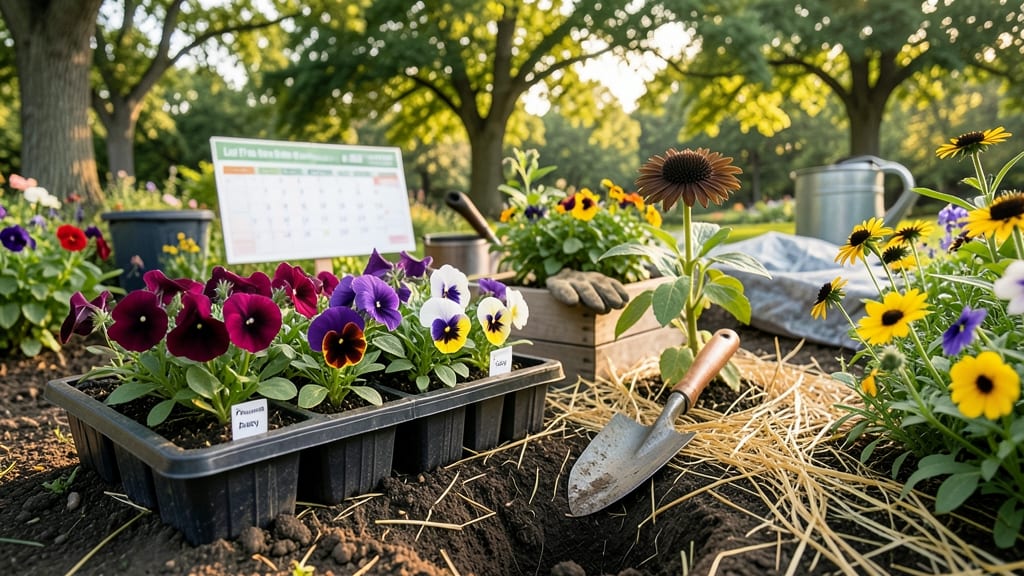
If you’ve ever planted flowers in Pennsylvania only to watch them freeze under early frost or struggle in the heat, you know timing is everything. The right planting window can turn your garden into a vibrant showstopper, while the wrong one leaves you with wilted dreams and wasted money.
Pennsylvania’s USDA Zones 5b-7a mean frost dates vary wildly—from the mountains to the valleys—so a one-size-fits-all approach won’t cut it. Whether you’re dreaming of spring tulips 🌸 or fall mums, knowing when to plant (and which varieties thrive in your microclimate) is the key to bold, long-lasting blooms all season.
I’ll break down the exact planting calendar for annuals, perennials, and bulbs, plus pro tips to stretch your growing season. No more guessing—just foolproof timing for a garden that pops from April to October.
Ready to turn your yard into a year-round floral masterpiece? Let’s get started with the zone-specific schedule that’ll make your neighbors jealous.
Pennsylvania flower planting calendar by hardiness zones (5b-7a)
Pennsylvania spans USDA Hardiness Zones 5b-7a, meaning frost dates vary dramatically from the Poconos (Zone 5b) to southeastern regions (Zone 7a). Your planting success hinges on knowing last frost dates—typically April 15 in most areas—and adjusting for microclimates like urban heat islands or sheltered valleys.
For annual flowers, wait until soil temps reach 60°F+ (usually late April to early May). Perennials and bulbs can go in early spring (March-April) or fall (September-October), 6-8 weeks before your first frost. Let’s break it down by zone and flower type.
| Zone | Last Frost | First Frost | Spring Planting Window | Fall Planting Window |
|---|---|---|---|---|
| 5b (Poconos, Northeast PA) | May 1 | October 10 | May 15–June 1 | September 1–15 |
| 6a (Central PA) | April 20 | October 20 | April 25–May 10 | September 15–30 |
| 7a (Southeast PA) | April 10 | November 1 | April 1–May 5 | October 1–15 |
🌱 Pro Tip: Use a soil thermometer to confirm 60°F+ for warm-season flowers like petunias and marigolds.
In Zone 5b, late frosts can delay planting until May 15, while Zone 7a gardeners can start annuals in March under row covers. For cool-season flowers like pansies or calendulas, plant in early spring or fall—they thrive in 50–65°F soil.
Bulbs like tulips and daffodils need fall planting (October) for spring blooms, while gladiolus and dahlias wait until after last frost. Perennials like coneflowers or black-eyed Susans can handle early spring or fall planting, but avoid summer heat.
Check your local Cooperative Extension office for hyper-local frost data—some urban areas (like Philadelphia) warm up 2 weeks earlier than rural zones. Mountain regions may need hardier varieties like Russian sage or coral bells.
For container gardening, you can push limits: Heat-loving flowers (e.g., geraniums) can start 4–6 weeks before last frost indoors, while cool-season flowers (e.g., snapdragons) tolerate light frosts once established.
Always harden off seedlings before transplanting—especially in windy zones like Erie or State College. Gradually expose them to outdoor conditions over 7–10 days to avoid shock.
Use mulch (2–3 inches) after planting to retain moisture and regulate soil temps. In Zone 5b, add extra mulch in fall to protect perennial roots from freeze-thaw cycles.
Track your garden’s progress with a planting journal—note when frost hits, how soil warms, and which flowers thrive. Over time, you’ll fine-tune your schedule for bold, long-lasting blooms every season. 🌸
Best flowers to plant in Pennsylvania by season (cold-hardy vs. tender varieties)
Pennsylvania’s four distinct seasons demand smart flower choices—some thrive in early spring chill, while others need summer heat protection. Let’s break down the best flowers for each season, from frost-resistant bulbs to heat-loving annuals, so your garden stays vibrant year-round.
For spring blooms, focus on cold-hardy perennials like tulips and daffodils, which tolerate late frosts (Zone 5b-7a). These bulbs can be planted in fall or early spring—just ensure soil temps are above 40°F to avoid rot.
🌱
🌸 Seasonal Flower Guide for PA Gardens
-
🌱 Spring (March-May)
- • Tulips (plant fall or early spring)
- • Daffodils (frost-resistant, Zone 3-8)
- • Pansies (tolerate light frost)
-
☀️ Summer (June-August)
- • Sunflowers (full sun, drought-tolerant)
- • Marigolds (repel pests, heat-loving)
- • Zinnias (long bloom season, cut-and-come-again)
-
🍂 Fall (September-November)
- • Chrysanthemums (thrive in cool weather)
- • Asters (late-season nectar for pollinators)
- • Mums (plant 6-8 weeks before frost)
-
❄️ Winter (December-February)
- • Hellebores (bloom under snow)
- • Winter Aconite (early spring harbinger)
- • Paperwhite Narcissus (force indoors for holiday cheer)
Pro Tip: Pair tender annuals (like petunias) with perennial stalwarts (like coneflowers) for year-round interest.
Summer calls for heat-tolerant annuals like zinnias and marigolds, which thrive in full sun and dry soil. These low-maintenance bloomers also attract pollinators, boosting your garden’s ecosystem. For extended summer color, try cosmos or black-eyed Susans—both are drought-resistant once established.
Fall is your chance to plant bulbs for next spring, like tulips and hyacinths. These cold-hardy stars need 6-8 weeks in the ground before first frost to root properly. Pair them with chrysanthemums for late-season color that lasts until hard frosts hit.
Even in winter, evergreen shrubs (like boxwood) and ornamental grasses add structure, while winter-blooming hellebores surprise you with early spring flowers. For indoor forcing, try paperwhite narcissus—they bloom in just 6-8 weeks from paperwhite bulbs planted in water.
🌿