
Companion Plants
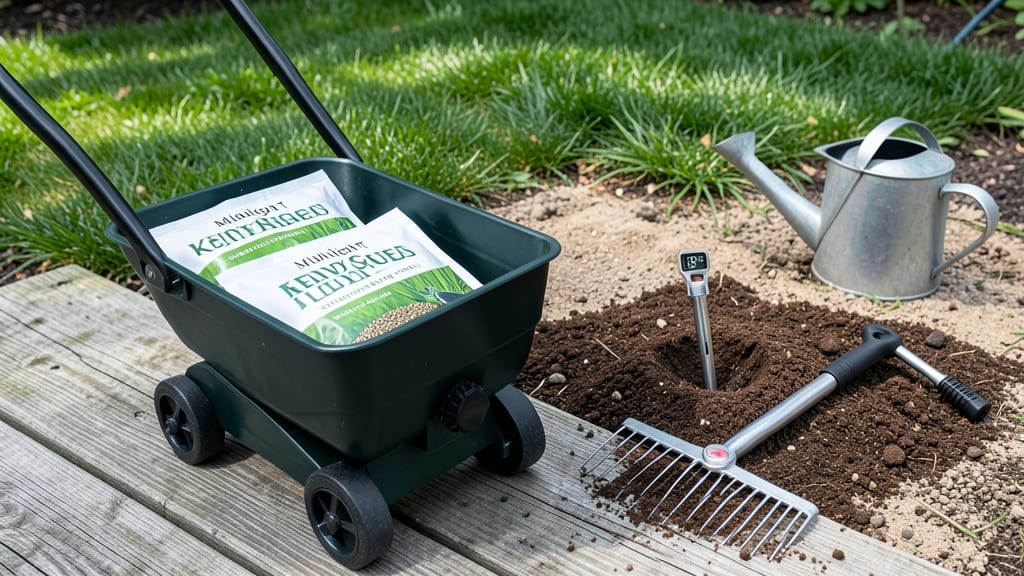
Planting grass seed in Minnesota at the wrong time can mean wasted effort—frost, drought, or poor germination. But timing it right guarantees a lush, resilient lawn that survives the state’s brutal winters. With USDA Zones 3-5 and unpredictable frost dates, knowing exactly when to plant is the key to success.
You don’t have to guess between early spring and fall—Minnesota’s short growing season demands precision. The ideal window is 4-6 weeks before the last frost (typically late April to early May) or in early fall (September) for root establishment before winter.
Cool-season grasses like Kentucky Bluegrass or Fescue thrive in these conditions, but getting the timing wrong can leave your lawn patchy or stunted.
Let’s break down the exact frost-free planting windows by zone, soil prep tips, and how to avoid common mistakes. Whether you’re in Minneapolis, Duluth, or rural areas, this guide ensures your grass seed germinates strong and survives Minnesota’s harsh climate.
From testing soil temperature to choosing the right seed type, I’ll walk you through every step—so you can skip the trial-and-error and get a lawn you’ll be proud of. Ready to plant with confidence?
Minnesota grass seed planting calendar by USDA hardiness zones (3-5)
Minnesota’s USDA Zones 3-5 create unique challenges for grass planting—late frosts, short growing seasons, and cool-season grasses that thrive in chill. The key? Planting when soil temps hit 50°F+ and frost risk drops below 20%. Here’s your exact planting window by zone, city, and seed type.
Most Minnesota lawns use cool-season grasses like Kentucky bluegrass, fine fescue, or tall fescue. These need 4-6 weeks before the last frost to establish roots. Warm-season grasses (like buffalo grass) are rare here but can be planted in late spring when soil is 60°F+.
Use this frost-free calendar to pick your start date. Northern Minnesota (Zone 3) has a shorter window than southern cities (Zone 5), so adjust accordingly. Always check your local Almanac’s frost dates—they vary yearly!
Spring planting is riskier in northern Minnesota due to late frosts. For example, Duluth (Zone 3) often sees frost until June 1, so wait until early May at the earliest. Southern Minnesota (Zone 5) can start as early as late March, but soil must be workable—not muddy.
Fall planting is ideal because cool temps reduce weeds and grass establishes roots before winter. Aim to plant 6-8 weeks before first frost (typically Sept 1–Oct 1). In Minneapolis (Zone 4), this means late August planting for a September frost buffer.
Pro tip: Use a soil thermometer ($10 at garden centers) to confirm 50°F+ soil temps. Cold soil = slow germination. If temps dip below 40°F, cover seeds with straw mulch to insulate them.
Urban vs. rural microclimates matter! Cities like Minneapolis stay warmer than St. Cloud due to the urban heat island effect. Adjust your planting date 1-2 weeks earlier if you’re in a city center.
How to choose the perfect planting time: soil, weather, and seed type
Timing your grass seed planting isn’t just about avoiding frost—it’s about matching your seed type to Minnesota’s soil temperatures and weather patterns. Cool-season grasses like Kentucky bluegrass and fine fescue thrive when soil temps hit 50°F+, while warm-season grasses (rare in MN) need 60°F+.
Most Minnesotans stick to cool-season varieties, so focus on early spring or early fall planting.
Your soil temperature is the #1 predictor of success. Use a soil thermometer (just $10 at garden centers) to check depths of 1-2 inches. If it’s below 50°F, wait—even if the air feels warm. Cold soil = slow germination = weak grass.
Pro tip: Test temps in the late afternoon for accuracy, as mornings can be misleadingly chilly.
Next, watch the weather forecast for 7-10 days. Avoid planting during drought warnings or heavy rain predictions. Grass seed needs consistent moisture to sprout, but standing water will drown it.
Aim for a stretch of 5-7 days with light rain or steady cloud cover—this keeps soil damp without flooding. Check the National Weather Service for your city’s 10-day outlook before you buy seed.
Minnesota’s microclimates matter too. Urban areas like Minneapolis warm up faster than rural zones near Duluth, so adjust your timing by 3-5 days if you’re in the city. South-facing slopes get sun earlier in spring, while north-facing yards stay cooler longer.
Observe your lawn’s sun exposure and plan accordingly—shady spots may need a 1-2 week delay compared to sunny areas.
🌱 Seed type is your final clue. Tall fescue germinates faster (7-10 days) than perennial ryegrass (14-21 days), so choose based on your patience. Mixing types (e.g., Kentucky bluegrass + fescue) balances speed and resilience.
Always check the seed bag for cold-hardiness ratings—look for USDA Zones 3-5 to match Minnesota’s climate.
Here’s your **quick readiness