
Planting
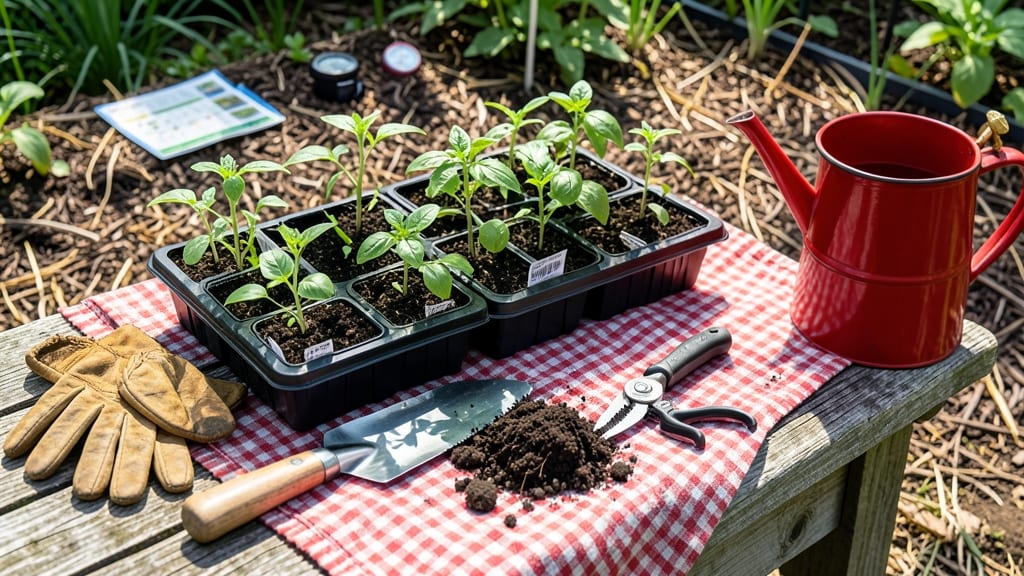
Timing your garden just right in Tennessee isn’t about guessing—it’s about knowing the exact weeks to plant your 🌱 General Garden Vegetables so you avoid frost damage and maximize your harvest.
With zones ranging from 6a-7b, your planting window shifts dramatically between East Tennessee’s cooler highlands and West Tennessee’s warmer valleys.
Most gardeners in Tennessee make one critical mistake: planting too early or too late, leaving their crops vulnerable to unpredictable frost dates.
Whether you're sowing seeds in March or transplanting seedlings in August, the difference between a thriving garden and a failed one often comes down to just a few weeks.
I’ll break down the precise planting schedule for your zone, including when to start cool-season crops like lettuce and spinach versus warm-season favorites like tomatoes and peppers.
You’ll also discover how to adjust for microclimates—like urban heat islands or mountain valleys—that can shift your ideal planting time by up to 3 weeks.
Ready to turn your Tennessee garden into a year-round success? Let’s dive into the zone-specific deadlines that will give you the confidence to plant at the perfect moment—no more second-guessing, just a bountiful harvest.
Tennessee planting calendar by zone: exact weeks to avoid frost damage
Tennessee spans USDA Zones 6b-7a, meaning frost dates vary dramatically from the Appalachian Mountains to Memphis’s warmer lowlands. In East Tennessee, like Knoxville, the last frost typically hits April 15-30, while West Tennessee (e.g., Memphis) often sees frost-free soil by March 15-25.
Planning your garden around these dates ensures your cool-season crops survive and warm-season plants thrive.
For cool-season vegetables like lettuce, spinach, and peas, start seeds 4-6 weeks before your last frost date.
In Nashville (Zone 7a), that’s around March 1-15. Warm-season crops such as tomatoes, peppers, and squash need soil temperatures of at least 60°F—usually mid-April to early May in most of the state.
Here’s how to align your planting with Tennessee’s microclimates and frost-free windows:
| Region | Last Frost Date | First Frost Date | Cool-Season Planting | Warm-Season Planting |
|---|---|---|---|---|
| East TN (Knoxville, Chattanooga) | April 15-30 | October 15-30 | March 1-15 (seeds) | May 1-15 |
| Middle TN (Nashville) | April 1-15 | October 10-25 | February 28 - March 10 (seeds) | April 15 - May 1 |
| West TN (Memphis) | March 15-25 | October 5-15 | February 15 - March 1 (seeds) | March 20 - April 10 |
🌱 Note: Adjust dates 1-2 weeks earlier for high elevations (e.g., Smoky Mountains) or later for urban heat islands.
If you’re growing fall crops like kale, broccoli, or carrots, aim to plant seeds 8-10 weeks before your first frost. In Chattanooga, that’s around August 1-15, while Memphis gardeners can push it to August 15-30.
For late-season tomatoes, use cold-hardy varieties like ‘Solar Fire’ and start seeds in July for a fall harvest.
Pro tip: Use a soil thermometer to confirm 60°F+ soil temps before planting warm-season crops. In clay-heavy soils common in Tennessee, wait until the soil warms naturally—don’t rush it. Row covers can extend your spring planting window by 2-3 weeks if frost threatens.
For perennials and bulbs, like daylilies or tulips, plant in early spring (March-April) or fall (September-October). Fall planting gives roots time to establish before winter. Annual flowers, such as marigolds or zinnias, can go in once the soil is workable—usually mid-April in most zones.
Don’t forget succession planting! After harvesting early bush beans or radishes, replant with fast-growing crops like lettuce or spinach to maximize your garden’s productivity. In Tennessee’s 180-220 frost-free days, every week counts.
Track your local frost dates using the National Weather Service or Almanac’s Frost Calculator. Over time, you’ll refine your schedule based on your specific microclimate—whether it’s a sunny urban lot or a shady mountain valley. 🌿
How to adjust planting times for Tennessee’s microclimates and soil types
Tennessee’s diverse geography—from the Appalachian Mountains to the Mississippi River Valley—means frost dates and soil conditions vary wildly. In East Tennessee, like Knoxville, expect 2-3 weeks later planting than in Middle Tennessee (Nashville) or West Tennessee (Memphis).
Even within cities, urban heat islands can push planting 10-14 days earlier than rural areas.
Soil type also plays a critical role. Clay-heavy soils in West Tennessee drain poorly, while sandy loams in East Tennessee warm up faster in spring. Amending clay with compost can improve drainage, while sandy soils may need organic matter to retain moisture.
Always test your soil’s pH (6.0-7.0 ideal) and adjust with lime or sulfur before planting.
If you’re gardening in high-elevation areas (e.g., Great Smoky Mountains), plant cool-season crops like kale or spinach as early as late February, but delay warm-season crops (tomatoes, peppers) until after May 15. Use a soil thermometer—warm-season plants need soil temps of 60°F+ to thrive.
For urban gardeners, container gardening offers flexibility. Choose compact varieties like 'Tiny Tim' tomatoes or 'Bush Bean' snap peas, and use self-watering pots to maintain consistent moisture. Urban areas often have warmer microclimates, so follow West Tennessee planting dates even if you’re in Nashville.
Finally, watch for local frost advisories—they’re your best guide. The National Weather Service and UT Extension provide hyper-local frost forecasts. Adjust your planting timeline by 1-2 weeks if advisories predict an early frost in your area.
With these adjustments, you’ll maximize your garden’s growing season by 4-6 weeks, whether you’re battling Appalachian chill or Memphis heat. Start small, experiment with timing, and let your plants guide you! 🌱