
Planting
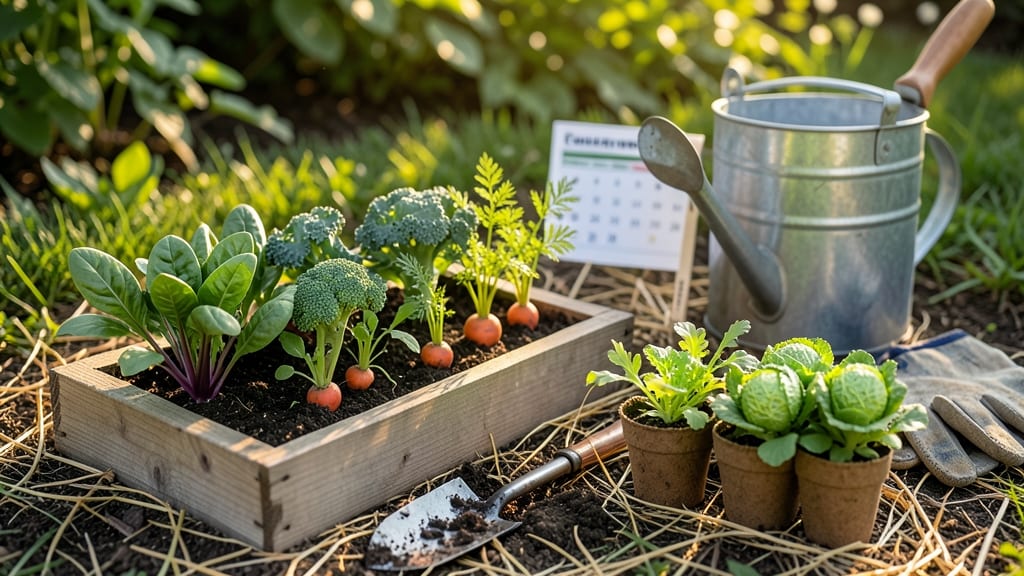
When to plant a fall garden in South Texas isn’t just about timing—it’s about outsmarting the heat while setting your 🌱 crops up for success before October’s cooler shift. Most gardeners in zones 9a-10a assume fall planting means waiting for September, but the real window starts in August—when soil still holds warmth and the brutal summer sun begins to ease.
Here’s the catch: traditional cool-season crops like lettuce will bolt in this heat, but South Texas thrives with heat-tolerant varieties like okra, sweet potatoes, and Malabar spinach. These plants don’t just survive—they flourish when planted 6-8 weeks before your first frost, giving them time to mature before temperatures dip.
The key? Starting seeds indoors in late July or transplanting hardened-off seedlings in early August.
Why does this matter? Because skipping this window means either struggling with stunted growth or playing catch-up when cooler weather rolls in. I’ve seen firsthand how a well-timed August planting can mean the difference between a bountiful harvest and a disappointing one.
Let’s break down the exact steps to nail your planting schedule and avoid common pitfalls.
You’ll learn which crops to prioritize, how to prep your soil for maximum moisture retention, and when to adjust your watering schedule as temperatures drop. Trust me, getting this right transforms your fall garden from a gamble into a guaranteed success—even in South Texas’s tricky climate.
Optimal planting timeline for South Texas fall gardens: heat-tolerant crops by month
Timing is everything in South Texas’s fall garden—plant too early, and your crops bolt in the heat; too late, and you miss the harvest window before frost. The key is leveraging residual summer heat while preparing for October’s cooler shift.
August and September are your prime months, but some crops like okra and sweet potatoes can handle July sowing if you’re aggressive with shade.
South Texas’s USDA Zones 9a-10a mean we avoid traditional "fall" planting timelines. Instead, focus on heat-tolerant varieties that thrive in 85-95°F soils while maturing before October’s temperature drop. Most crops should be in the ground by mid-September to ensure harvest before the first frost in mid-December.
Here’s your month-by-month breakdown, including seed-starting and transplanting windows for maximum yield:
| Month | Action | Crops to Plant | Notes |
|---|---|---|---|
| July | Direct sow | Okra, sweet potatoes, cowpeas, Malabar spinach | Use shade cloth for seedlings; prioritize deep-rooted crops. |
| August | Direct sow or transplant | Black-eyed peas, jute mallow, amaranth, Swiss chard | Soil temps should be above 70°F; mulch heavily to retain moisture. |
| September | Transplant seedlings | Tomatoes (heat-tolerant varieties), peppers, basil, kale | Hardening off seedlings is critical; avoid planting after September 15. |
| October | Direct sow or transplant | Lettuce (heat-tolerant varieties), radishes, turnips, collards | Use row covers for frost protection; expect slower growth as temps drop. |
For okra and sweet potatoes, July planting is ideal—they’ll mature by September before the heat becomes oppressive. These crops love the heat and can even handle 100°F+ soils if kept consistently moist. Transplant tomatoes and peppers in early September, choosing heat-tolerant varieties like ‘Heatmaster’ tomatoes or ‘Jupiter’ peppers.
September is your last chance to sow fast-maturing crops like radishes or lettuce. By mid-September, shift focus to transplanting seedlings rather than direct sowing, as soil temps begin to drop.
Use black plastic mulch to extend the season and warm the soil—this trick can add 2-3 weeks to your growing window.
In October, prioritize cool-season crops that can tolerate light frosts, like kale or collards. These thrive in South Texas’s mild winters and can be harvested well into December. Just be ready to cover plants if temperatures dip below 32°F.
Pro tip: Keep a planting journal to track your local frost dates—South Texas’s first frost can vary by 1-2 weeks yearly. Aim to harvest 3-4 weeks before your average frost date to avoid losses.
Remember, South Texas’s long growing season is your advantage. With the right timing, you can enjoy homegrown produce from July through December—no winter barrenness here! 🌱
Optimal planting timeline for South Texas fall gardens: heat-tolerant crops by month
Timing is everything in South Texas’s fall garden, where summer heat lingers well into September. Starting too early risks heat stress, while waiting too long means missing the harvest window before October’s cooler shift.
The key is planting heat-tolerant crops in August and early September, then transitioning to cooler-season varieties by late September.
For okra and sweet potatoes, sow seeds in late July to early August—these thrive in residual summer heat. By mid-August, add black-eyed peas and cowpeas, which handle warmth while preparing for fall.
September is prime for leafy greens like Malabar spinach and root crops such as carrots, planted 6–8 weeks before your area’s first frost (typically mid-January).
| Month | Crops to Plant | Notes |
|---|---|---|
| Late July | Okra, Sweet Potatoes | Direct sow; heat-loving varieties |
| Mid-August | Black-Eyed Peas, Cowpeas | Sow after soil temps drop slightly |
| September | Malabar Spinach, Carrots, Kale | Plant 6–8 weeks before frost |
| Late September | Broccoli, Cabbage, Lettuce | Use row covers for early protection |
In South Texas’s USDA Zones 9a–10a, frost is rare until late December, giving you flexibility. For okra and sweet potatoes, extend harvests by mulching heavily to retain soil warmth.
Meanwhile, leafy greens like kale and collards can handle light frosts, so plant them in late September for a winter harvest. Always check your local frost dates—they vary yearly!
Pro tip: Use drip irrigation to avoid wetting foliage during 90°F+ days, reducing fungal risks. For okra and peppers, keep soil consistently moist but never soggy—these crops wilt fast in dry conditions. Morning watering is critical to prevent evaporation.
By early October, shift focus to cool-season crops like broccoli and cabbage. These need 6–8 weeks to mature before frost, so don’t wait too long! Use row covers to extend the season if temperatures dip unexpectedly.
Remember: South Texas’s long growing season means you can often harvest two crops in one bed—plant fast-growing radishes alongside slower kale for continuous yields. With the right timing, your fall garden can outshine even the summer blooms! 🌱