
Planting
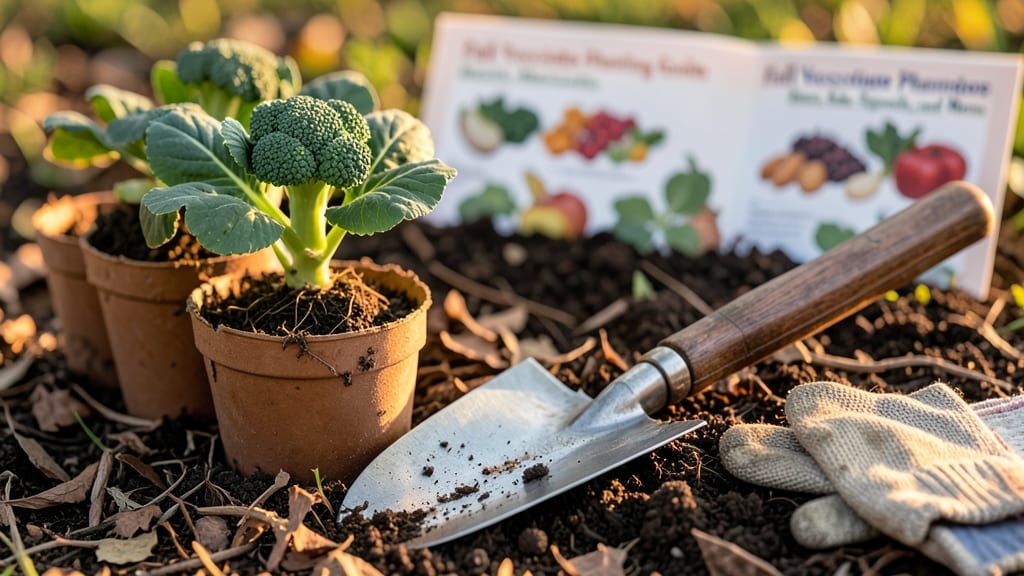
Knowing when to plant a fall garden in Zone 7 could mean the difference between a thriving harvest and wasted effort. While spring planting gets all the attention, fall offers a second chance to grow crisp, flavorful vegetables—if you plant at the right time.
For Zone 7 gardeners, the window opens in mid-August and stretches through mid-October, but timing isn't one-size-fits-all. Cool-season crops like kale, carrots, and spinach need 4-6 weeks to mature before the first frost hits around November 1.
Get it wrong, and you might end up with bolted greens or stunted roots.
I’ll break down the exact dates to plant each crop, how to prep your soil for cooler temps, and simple tricks to protect your plants from early frosts. Whether you're a seasoned gardener or just starting, these insights will help you maximize your fall harvest before winter sets in.
Ready to turn your backyard into a productive garden? Let’s dive into the perfect planting schedule for Zone 7’s fall growing season—and why getting these dates right is the key to success.
Zone 7 fall planting timeline: exact dates for cool-season crops
Timing your Zone 7 fall garden correctly means starting 4-6 weeks before the first frost—typically around mid-August to mid-October. In Zone 7, the average first frost date is November 1, but this can vary by 5-10 days depending on your exact location.
To maximize your harvest, aim to plant cool-season crops like kale, spinach, and carrots in September for a late-October harvest.
Soil temperatures are just as critical as frost dates. Most cool-season vegetables thrive when soil temps drop below 80°F. If your summer heatwave lingers, wait until late August to sow seeds directly or start transplants. Use a soil thermometer to confirm temps are ideal—60-70°F is perfect for germination.
Here’s the golden rule for Zone 7: Plant leafy greens (like lettuce and spinach) 6-8 weeks before frost, while root crops (carrots, beets) and brassicas (broccoli, cabbage) need 8-10 weeks. This ensures they mature before winter sets in.
🌱
Zone 7 Fall Planting Timeline
| Crop Type | Planting Window | Days to Maturity | Notes |
|---|---|---|---|
| Leafy Greens (Lettuce, Spinach, Kale) | Late August - Early October | 30-50 days | Tolerates light frost; harvest before bolting. |
| Root Crops (Carrots, Beets, Radishes) | Mid-August - Mid-September | 50-70 days | Soil must be loose; avoid late planting. |
| Brassicas (Broccoli, Cabbage, Kale) | Early August - Late September | 60-80 days | Start seedlings early; protect from pests. |
| Peas & Green Beans | Late August - Early October | 50-60 days | Plant after soil cools; trellis for support. |
| Onions & Garlic | Mid-September | 90-120 days | Plant sets or seeds; harvest before hard frost. |
Adjust dates if your first frost arrives early or late.
If you’re unsure about your local frost dates, check the USDA Plant Hardiness Zone Map or use a frost calendar for your city. For example, Raleigh, NC typically sees its first frost around October 28, while Atlanta, GA holds off until November 10.
Planting too late risks stunted growth or crop failure.
For late-summer heatwaves, prioritize shade-tolerant crops like spinach or radishes and use row covers to shield seedlings. If an early frost threatens, opt for fast-maturing varieties (e.g., bush beans instead of pole beans) to ensure a harvest before winter.
Pro tip: Succession plant every 2-3 weeks in September to stagger harvests. This means sowing small batches of lettuce or radishes instead of one large planting. It’s a simple trick to keep your kitchen stocked with fresh produce well into December.
Don’t forget to prepare your soil before planting. Cool-season crops prefer well-draining, nutrient-rich soil with a pH of 6.0-7.0. Amend your beds with compost or aged manure in early fall to give roots a head start. Avoid fresh manure, which can burn tender seedlings.
🌿
Finally, keep an eye on moisture levels. Fall air is cooler, but soil can still dry out. Water deeply once a week (or more during dry spells) to encourage strong root growth.
Mulch with straw or shredded leaves to retain moisture and regulate soil temperature—this is especially helpful in Zone 7’s unpredictable fall weather.
By following this timeline, you’ll enjoy a productive fall garden that thrives right up until the first frost. The key is starting early, choosing the right crops, and adapting to your local climate. Happy planting!
Zone 7 fall planting timeline: exact dates for cool-season crops
Zone 7 gardeners have a golden window to plant fall crops—typically between mid-August and mid-October—but timing depends on your first frost date (usually around November 1). Planting too early means battling summer heat, while waiting too long risks stunted growth before frost.
The secret? Start 4-6 weeks before the first frost to ensure a full harvest.
For Zone 7, this translates to late August for fast growers (like radishes) and early September for slower crops (like broccoli or kale). Soil temperatures should drop to 60–75°F for optimal germination. Use a soil thermometer to check—cool-season crops struggle in hotter soil.
Here’s your fall planting timeline for Zone 7, broken down by crop type and frost sensitivity. Adjust dates based on your local microclimate (e.g., valleys frost earlier than hills).
| Crop Type | Planting Window | Days to Harvest | Frost Tolerance |
|---|---|---|---|
| Leafy Greens (Lettuce, Spinach, Kale) | Late August – Early October | 30–60 days | High (survive light frost) |
| Root Vegetables (Carrots, Beets, Radishes) | Mid-August – Mid-September | 45–80 days | Moderate (protect from hard frost) |
| Brassicas (Broccoli, Cabbage, Brussels Sprouts) | Early September – Early October | 60–90 days | Very High (thrive in cold) |
| Alliums (Onions, Garlic, Leeks) | Mid-August – Late September | 90–120 days | High (bulbs harden in cold) |
Pro tip: Succession plant fast growers like radishes or lettuce every 2 weeks to stagger harvests. For example, sow a batch in late August, another in early September, and a final one in mid-September to ensure a continuous supply before frost.
If your fall arrives early (e.g., frost hits by October 15), focus on fast-maturing varieties or use row covers to extend the season. Avoid planting heat-loving crops (like tomatoes or peppers) after mid-August—they’ll bolt or struggle in cooler temps.
Remember: Soil prep is half the battle. Amend your beds with compost and a balanced fertilizer (5-10-10) before planting to give cool-season crops the nutrients they need to thrive in shorter daylight hours. 🌱