
Planting
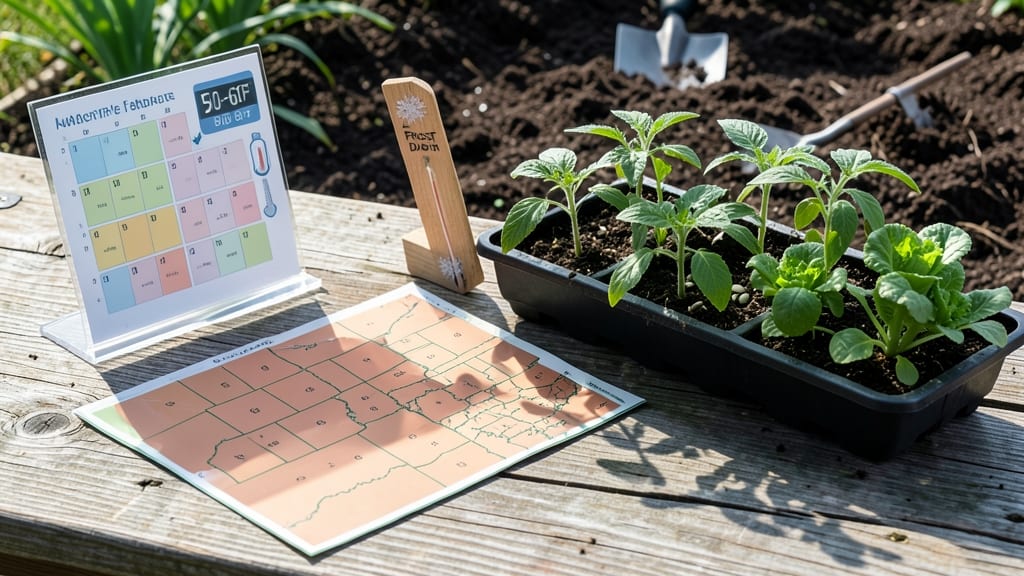
Knowing when to plant a garden in Arkansas can mean the difference between a bountiful harvest and wasted effort. With the state’s humid subtropical climate and USDA zones 7a-8a, timing isn’t just important—it’s everything.
Plant too early, and a late frost could wipe out your 🌱 General Garden Vegetables & Flowers before they even take root.
Spring planting kicks off in mid-March, but the real magic happens when soil warms to 60°F—usually by early May. That’s your cue for heat-loving crops like tomatoes and peppers, while cool-season greens like spinach and lettuce thrive in the milder temperatures of late July to September.
Arkansas’s 180-220 frost-free days give you two prime windows to work with, but missing them can leave your garden struggling.
I’ve spent years perfecting the timing for Arkansas gardens, and I’ll share exactly when to plant each crop—plus how to adjust for your specific zone. Whether you’re a first-time gardener or a seasoned pro, these insights will help you avoid common mistakes and maximize your harvest.
Ready to turn your Arkansas garden into a thriving oasis? Let’s break down the best planting schedule for your climate, so you can enjoy fresh produce all season long.
Arkansas planting zones & frost dates: when to start cold-hardy crops
Arkansas spans USDA zones 6-8, creating a unique challenge for gardeners. The northern regions (like Bentonville) sit in Zone 7a, while southern areas (e.g., Little Rock) reach Zone 8a.
These zones directly impact your last frost dates, which range from mid-March in the north to early March in the south. Understanding these differences helps you avoid frost damage to cool-season crops like spinach and peas.
For Zone 7a gardeners, the average last frost date falls around March 15, while Zone 8a sees frost-free conditions by February 28. This two-week difference means northern Arkansas gardeners should wait longer to plant cold-sensitive varieties like lettuce, while southern gardeners can start indoor seedlings earlier.
Always check your local Cooperative Extension Service for precise updates, as microclimates can shift dates by a week or more.
To maximize your spring harvests, start cool-season crops indoors 6-8 weeks before your last frost date. For example, northern Arkansas gardeners should begin spinach seeds indoors around January 20, while southern gardeners can wait until February 15.
Transplant seedlings outdoors only after soil temperatures reach 45°F—use a soil thermometer to avoid guessing.
For fall planting, aim to sow seeds 8-10 weeks before your first frost date. This means late July to early August for most of Arkansas.
Popular fall crops like broccoli and kale thrive in cooler weather and can even bolster your harvest into winter if protected with row covers. Just be sure to harvest before hard freezes, as prolonged cold can ruin tender leaves.
Arkansas’s humid subtropical climate also means soil prep is critical. Before planting, amend your soil with compost or aged manure to improve drainage—a must for Zone 8a’s heavier clay soils. Test your soil’s pH level (ideal: 6.0–7.0 for most vegetables) and adjust with lime or sulfur if needed.
Well-prepared soil helps cool-season crops establish roots faster, giving them a head start against late frosts.
Don’t forget about succession planting! In Arkansas’s long growing season, you can often plant two rounds of cool-season crops: one in early spring and another in late summer.
For instance, sow radishes every 2 weeks from March to September to ensure a continuous supply. This strategy works especially well for fast-maturing crops like lettuce and bush beans.
If you’re unsure about your local frost dates, use the National Weather Service’s frost prediction maps or consult your county extension office. Many Arkansas gardeners also swear by old Farmer’s Almanac predictions, though I recommend cross-referencing with real-time data for accuracy.
Pro tip: Place a frost-sensitive plant like coleus outside at night to test for frost—if it wilts, cover your garden!
For Zone 7a gardeners, extend your season with cold frames or low tunnels. These simple structures can add 2–4 weeks to your growing season, letting you plant spinach and peas as early as February.
In Zone 8a, focus on heat-tolerant varieties like Malabar spinach, which handles Arkansas’s hot summers better than traditional types.
Remember: Timing is everything in Arkansas gardening. By aligning your planting with frost dates and soil conditions, you’ll avoid common pitfalls like bolting lettuce or frost-damaged tomatoes. Start with these guidelines, then adjust based on your microclimate—your garden’s success depends on it! 🌱
Heat-loving crops timeline: best months to plant tomatoes, peppers & more
Arkansas’s hot summers create the perfect environment for heat-loving crops like tomatoes, peppers, and okra—if you plant them at the right time. The key is waiting until soil temperatures reach 60°F+, which typically happens by mid-May in Zone 7a and early May in Zone 8a.
Planting too early risks wilting or bolting, while waiting too long can shorten your harvest window before fall frosts arrive.
For tomatoes and peppers, start seeds indoors 6-8 weeks before your last frost date. In Arkansas, this means beginning seeds around March 1 for Zone 8a and March 15 for Zone 7a.
Transplant seedlings outdoors only after soil warms to 60°F—use a soil thermometer to check. Harden off seedlings gradually by exposing them to outdoor conditions for 1-2 hours daily starting 2 weeks before transplanting.
- 🌱 May 1-15: Transplant tomato and pepper seedlings after soil reaches 60°F. Choose heat-tolerant varieties like 'Celebrity' tomatoes or 'Jalapeño' peppers for Arkansas’s climate.
- ☀️ June 1-30: Mulch heavily with straw or black plastic to retain moisture and prevent soil-borne diseases. Water deeply early in the morning to reduce evaporation.
- 🌿 July 1-15: Begin succession planting for fast-maturing crops like bush beans or cucumbers. Harvest early varieties of tomatoes to encourage continuous production.
- ✂️ August 1-31: Prune tomato suckers and stake plants to improve air circulation. Stop fertilizing 6 weeks before first frost to harden off plants for fall.
- 🌧️ September 1-15: Plant fall varieties like 'Cherokee Purple' tomatoes or 'Bell Peppers' for a late-season harvest. Use row covers to extend the season.
One of my biggest tips for Arkansas gardeners is to mulch aggressively with straw or black plastic. The state’s humid subtropical climate means soil stays moist but can also bake under the sun.
Mulch helps maintain consistent soil temperatures and reduces watering needs by up to 30%. I’ve seen tomato yields double when using this technique in Zone 8a’s heat.
Don’t overlook soil temperature—it’s just as critical as air temperature. Use a soil thermometer to confirm readings before planting. If soil is cooler than 60°F, delay planting or use black plastic mulch to warm it faster.
For peppers, which are even more sensitive, wait until soil hits 70°F before transplanting. Slow-growing peppers can stunt if planted in cool soil.
Arkansas’s long, hot summers also mean pests like aphids and hornworms thrive. I recommend using neem oil or row covers for young plants. For tomatoes, remove lower leaves to prevent soil-borne diseases like early blight.
Regularly inspect plants for yellowing leaves (a sign of nutrient deficiency) and adjust fertilization accordingly. A balanced 10-10-10 fertilizer applied every 4-6 weeks keeps plants thriving.
If you’re new to growing heat-loving crops in Arkansas, start with determinate varieties like 'Roma' tomatoes or 'Blocky' peppers. These bush types are easier to manage and produce fruit all at once, making them ideal for beginners.
For indeterminate varieties (like 'Sungold' tomatoes), provide strong trellises to support their vining growth—Arkansas’s humidity can make them top-heavy!
Remember: Timing is everything for heat-loving crops. Plant too early, and your tomatoes might bolt before fruiting. Plant too late, and you’ll miss the peak harvest window before fall frosts.
By following this May–September timeline and adjusting for your specific USDA zone, you’ll enjoy a bountiful harvest of juicy tomatoes, spicy peppers, and more. Happy planting! 🌿