
Plants
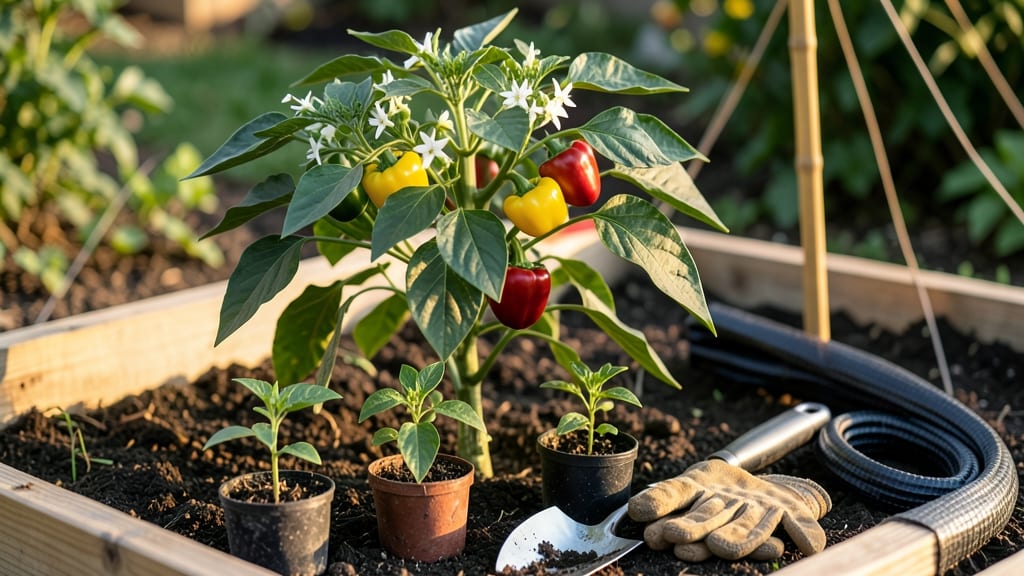
Timing your Bell Pepper 🌶️ planting in Kentucky isn't just about checking a calendar—it's about beating frost while giving your plants enough heat to thrive. With Kentucky's 6a-7b climate, those April 15-May 15 windows can make or break your harvest, especially when heat-loving peppers need 60°F+ soil to germinate.
You've probably heard that "wait until after last frost," but Kentucky's unpredictable swings mean waiting too long could leave you with stunted plants. The key is starting seeds indoors 8-10 weeks before transplanting, so they're ready to hit the ground running when temperatures stabilize—usually by mid-May.
What most gardeners miss is how varieties matter. Early-maturing types like 'Early California Wonder' give you an edge, while heat-tolerant varieties like 'Carolina Wonder' handle Kentucky's summer humidity better. I'll show you exactly which ones to pick and how to adjust your schedule for container gardens or raised beds.
Let's dive into the perfect planting timeline—so you can go from seed to harvest without the guesswork. You'll learn when to plant, what to watch for, and how to protect your peppers from Kentucky's late frosts or early chills that could ruin your crop.
Kentucky bell pepper planting timeline: frost dates & heat requirements
Timing your bell pepper planting in Kentucky is all about beating the last frost while ensuring your plants get enough warmth to thrive. The state’s USDA Zones 6a-7b mean you’ll need to plan carefully—bell peppers are heat-loving and won’t tolerate cold snaps.
Most regions experience their average last frost date between mid-April and early May, but this can shift by 2-3 weeks depending on elevation and microclimates.
For example, northern Kentucky (like Lexington) often sees frost lingering until April 25, while southern areas (such as Bowling Green) can plant as early as April 10. Always check your local agricultural extension office for real-time updates, as Kentucky’s spring weather is famously unpredictable.
Waiting for soil temperatures to hit at least 60°F is non-negotiable—cold soil stunts growth and delays germination.
Here’s how to align your planting with Kentucky’s climate quirks:
| Region | Avg. Last Frost | Soil Temp. for Planting | Ideal Planting Window |
|---|---|---|---|
| Northern KY (e.g., Louisville) | April 20 | 60°F+ | May 1–15 |
| Central KY (e.g., Lexington) | April 15 | 60°F+ | April 25–May 10 |
| Southern KY (e.g., Bowling Green) | April 10 | 60°F+ | April 15–May 5 |
If you’re starting seeds indoors, begin 8–10 weeks before your expected last frost date. This means mid-February to early March for most of Kentucky. Use grow lights or a sunny windowsill to ensure seedlings get 12–14 hours of light daily.
Harden off seedlings by mid-April to prepare them for outdoor conditions.
For direct sowing outdoors, wait until after May 1 in most areas to avoid transplant shock from late frosts. If you’re in a warmer microclimate (like a south-facing slope), you might push planting to late April.
Always have row covers ready to protect young plants if a cold snap is forecasted.
Kentucky’s short growing season (about 180–210 frost-free days) means you’ll need to choose fast-maturing varieties (60–75 days to harvest) to maximize your yield. Varieties like ‘Early Cal Wonder’ or ‘Carolina Wonder’ are ideal—they mature quickly and tolerate Kentucky’s humidity and heat better than slower-growing types.
Pro tip: Use a soil thermometer to confirm temperatures before planting. If your soil is below 60°F, wait a few more days—bell pepper seeds won’t germinate in cold soil, and you’ll waste precious time.
Once planted, mulch with black plastic or straw to speed up soil warming and retain moisture.
Even with perfect timing, Kentucky’s summer heat waves can stress bell peppers. Plan to harvest by early October before the first frost (usually mid-October) hits. If you’re ambitious, try staggered planting: sow a second batch in late June for a fall harvest before temperatures drop.
Missed the spring window? Don’t despair—Kentucky’s container gardening is a lifesaver. Move pots indoors (near a sunny window or under grow lights) in late September to extend the season and keep producing peppers until November. Just ensure your containers have drainage holes to prevent root rot.
🌱
Kentucky bell pepper planting timeline: frost dates & heat requirements
Kentucky's USDA Zones 6a-7b mean bell peppers need precise timing to thrive. The average last frost date ranges from mid-April in southern regions to early May in northern areas, but don't rely on averages—watch local forecasts!
Peppers are heat-loving plants that won't germinate until soil reaches 60°F (15°C), which typically happens 2-4 weeks after last frost.
For container gardening, soil warms faster than in-ground beds, so you can plant 1-2 weeks earlier in pots. Raised beds also heat up quicker, giving you a 10-day head start compared to traditional garden beds. Always check soil temperature with a soil thermometer—peppers are picky about warmth!
| Region | Last Frost Date | Plant Window | Soil Temp Threshold |
|---|---|---|---|
| Southern KY (Zones 7a-7b) | Mid-April | April 20 - May 5 | 60°F+ |
| Central KY (Zone 6b) | Late April | May 1 - May 15 | 60°F+ |
| Northern KY (Zone 6a) | Early May | May 10 - May 25 | 60°F+ |
| Containers/Raised Beds | 1-2 weeks earlier | April 15 - May 10 | 60°F+ |
If you're starting seeds indoors, begin 8-10 weeks before your last frost date—that means mid-February to early March for most of Kentucky. Use grow lights to provide 12-16 hours of light daily since natural daylight is still short.
Harden off seedlings for 7-10 days before transplanting to avoid shock from temperature swings.
For transplant shock prevention, water seedlings deeply the day before moving them outdoors. Choose overcast days for transplanting and avoid the midday sun for the first week.
Mulch with straw or black plastic to keep roots warm and retain moisture—this is especially critical in Kentucky's humid climate, which can cause fungal issues.
Remember, bell peppers need 70-90 days to mature, so calculate backward from your first expected frost date (mid-October). If you're in Zone 6a, aim to transplant by June 15 for a fall harvest.
Late varieties like 'Carmen' or 'Apache' can handle slightly cooler temps but still need protection from 32°F (0°C) frosts.
Pro tip: Use a frost watch calendar from your local Cooperative Extension Service for real-time updates. Kentucky's microclimates mean frost dates can vary by 10 days or more just a few miles apart—don't guess! 🌱