
Plants
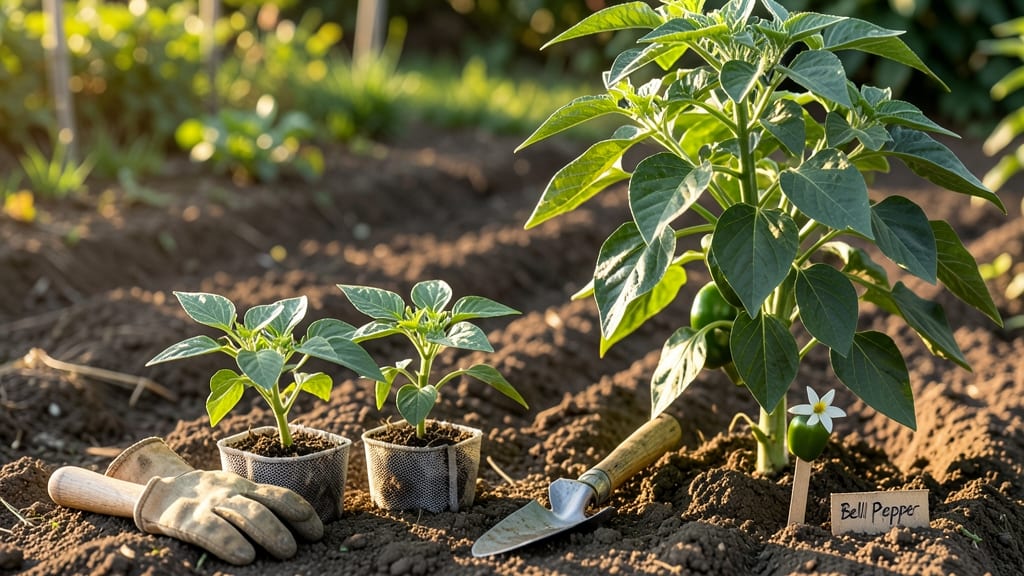
Timing your bell pepper planting in Indiana can mean the difference between a bountiful harvest and a lost season—especially when frost lingers until mid-April and heat arrives late. If you've ever watched your seedlings shrivel under unexpected cold snaps or missed the sweet spot for summer growth, you're not alone.
Mastering the perfect planting window for 🌶️ bell peppers in Indiana isn't just about waiting for the calendar to say "May."
It's about tracking soil temperatures (they need to hit 60°F+), knowing your last frost date (usually around April 15), and understanding how to start seeds indoors 8-10 weeks before transplanting.
In this guide, I'll break down exactly when to plant—whether you're direct-sowing or starting seeds—plus how to stretch your growing season with smart techniques. You'll learn the critical timeline that keeps your peppers thriving from July through October, even in Indiana's variable climate.
No more guesswork: Just proven strategies from Purdue Extension and real Hoosier gardeners. Let's get those peppers in the ground at the right time for maximum flavor and yield.
Indiana bell pepper planting calendar: frost dates & soil temperature guide
Indiana’s USDA zones 5b-6b mean bell peppers need precise timing to thrive. The last spring frost typically hits around April 15, but don’t rush—wait until soil warms to 60°F+ (usually late April to early May). This 10-14 day window is critical for strong seedlings and avoiding frost damage.
For Indiana gardeners, starting seeds indoors 8-10 weeks before last frost (mid-February to early March) gives peppers a head start. Transplant outdoors only after nighttime temperatures stay above 50°F consistently. Purdue Extension confirms this timing aligns with Indiana’s 165 frost-free days per year.
Here’s your Indiana bell pepper planting timeline at a glance, including soil temps, frost risks, and transplant windows:
| Stage | Action | Indiana Timeline | Key Notes |
|---|---|---|---|
| Start Indoors | Sow seeds in trays | Mid-February to early March | Use seed-starting mix; keep at 70°F |
| Hardening Off | Acclimate seedlings | Late April | Gradually expose to outdoor temps for 1 week |
| Transplant Outdoors | Move to garden beds | Late April to early May | After soil hits 60°F; space 18" apart |
| Direct Sow Outdoors | Plant seeds directly | Early June (for fall harvest) | Use for late varieties; cover with row fabric |
| First Harvest | Pick ripe peppers | July to August | 70-90 days after transplanting |
Indiana’s northern regions (like Gary or Fort Wayne) have shorter seasons, so prioritize early-maturing varieties like ‘Early Cal Wonder’ (60 days) or ‘Jupiter’ (65 days). Southern Indiana (Evansville, Louisville) can handle slightly later plantings, even up to mid-May, thanks to warmer microclimates.
Pro tip: Use a soil thermometer to confirm temps—cold soil stunts growth. If nights dip below 50°F, protect seedlings with row covers or a mini greenhouse. This extends your planting window by 2-3 weeks in cooler years.
For fall harvests, try succession planting in early June. Choose longer-season varieties like ‘King of the North’ (80 days) and use black plastic mulch to warm soil faster. Purdue’s trials show this method adds 3-4 weeks to your harvest window.
Remember: Peppers hate cold. Even a light frost (28°F) can kill seedlings. Monitor Indiana’s frost forecast via the National Weather Service or Purdue Extension’s gardening calendar for real-time updates. When in doubt, wait—better late than crispy!
Once planted, maintain consistent moisture and full sun (6+ hours daily). Mulch with straw to retain soil warmth and reduce weeds. With the right timing, you’ll enjoy homegrown peppers from July through October—no grocery store can beat that! 🌶️
Indiana bell pepper planting calendar: frost dates & soil temperature guide
Indiana's USDA Zones 5b-6b mean bell peppers need precise timing to thrive. The average last frost date is around April 15, but soil temperature is the real game-changer—peppers won't germinate well below 60°F. I always check my soil thermometer before planting to avoid disappointment.
For direct sowing outdoors, wait until mid-May when soil temperatures consistently stay above 60°F. This gives peppers enough warmth to establish roots quickly. Starting seeds indoors 8-10 weeks before last frost (around February 15) gives you a head start for transplanting after frost danger passes.
| Stage | Action | Notes |
|---|---|---|
| Indoor Start | February 15 | 8-10 weeks before last frost |
| Transplant Outdoors | Mid-May | Soil temp ≥60°F, no frost risk |
| Direct Sow | Late May | Only if soil is warm and stable |
| Harvest Window | July-October | 60-90 days after transplant |
Northern Indiana gardeners (Zones 5b) should err on the side of caution and wait until late May for transplanting, while southern Indiana (Zone 6b) can start as early as early May.
I always consult the Purdue Extension frost maps to adjust my schedule based on microclimates—urban areas often warm up faster than rural spots.
Pro tip: Use black plastic mulch to warm soil faster if you're eager to plant early. It can raise soil temperatures by 5-10°F, helping peppers germinate sooner. Just
For fall harvests, aim to transplant pepper plants by July 15 to give them enough time to mature before the first frost. Shorter-day varieties like 'Aristotle' or 'Carmen' are excellent choices for fall planting—they produce faster in cooler weather.
🌱🌡️🌱