
Plants
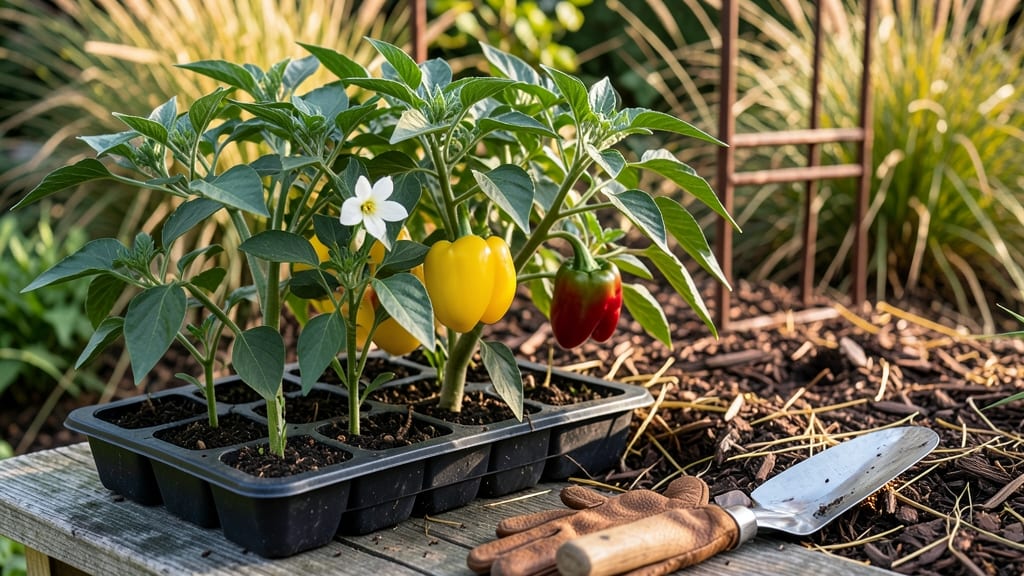
Timing your bell pepper planting in North Carolina can mean the difference between a bumper crop and wasted effort—especially when frost still lingers in the air 🌶️.
The wrong move, like planting too early, risks losing your seedlings to cold snaps, while waiting too long might leave you scrambling as summer heat arrives.
For gardeners in USDA Zones 7b and 8a, the ideal window is narrow but critical: after your last frost date, typically between April 15 and June 15, when soil temperatures consistently hit at least 60°F.
Why does this matter? Bell peppers are heat-lovers, and rushing them into cold soil stunts growth or invites disease.
But here’s the good news: with the right strategies—like using black plastic mulch to warm the soil faster or starting seeds indoors—you can extend your planting season and harvest peppers well into October.
I’ll walk you through the exact deadlines, pro tips, and common mistakes to avoid so your peppers thrive from seed to harvest.
Let’s cut to the chase: skipping these deadlines could cost you weeks of growth. Whether you’re a first-time gardener or a seasoned pro, knowing when to plant bell peppers in NC isn’t just about luck—it’s about leveraging your climate to work with it, not against it.
Ready to turn your garden into a pepper powerhouse? Let’s dive into the details.
From choosing the right varieties for your zone to mastering soil prep and transplant timing, this guide covers everything you need to know. No more guessing games—just a clear, actionable plan to maximize your harvest. Grab your gloves, and let’s get those peppers in the ground at the perfect moment.
NC bell pepper planting deadlines by USDA Zone (7b vs 8a)
Timing your bell pepper planting in North Carolina depends on your USDA zone—specifically 7b and 8a, which cover most of the state. These zones have slightly different last frost dates and soil warming patterns, so I’ll break it down for each.
Bell peppers are heat-loving plants that won’t tolerate frost, so planting too early is a common mistake. Let’s get you on the right schedule.
For USDA Zone 7b (eastern NC, including Raleigh and Durham), the average last frost date falls between March 31 and April 15. However, bell peppers need soil temperatures of at least 60°F to thrive, which typically isn’t reached until mid-to-late April.
In Zone 8a (western NC, like Asheville), the last frost is usually April 15 to May 1, giving you a slightly longer window to start planting.
Here’s the critical rule: Wait until after your last frost date AND until the soil temperature consistently stays above 60°F. Cold soil stunts growth and delays fruit production. Use a soil thermometer to check—if it’s below 60°F, hold off on planting.
In NC, this usually means mid-April to early May for most gardeners, but timing can shift 2-3 weeks earlier in Zone 8a compared to Zone 7b.
🌱 PRO TIP: If you’re eager to start early, use black plastic mulch to warm the soil faster. Lay it down 1-2 weeks before planting to give your peppers a head start. This trick can shave off 7-10 days from your planting timeline, especially in cooler Zone 7b areas.
Now, let’s talk about transplanting vs. direct sowing. Most NC gardeners start bell pepper seeds indoors 8-10 weeks before the last frost date. For Zone 7b, that means mid-to-late February, while Zone 8a gardeners can start as early as late January.
Direct sowing is riskier because seedlings are frost-sensitive, but you can try it 2-3 weeks after your last frost if you’re confident in your timing.
Here’s a quick deadline cheat sheet to bookmark:
- Zone 7b: Start seeds indoors by February 15, transplant by April 15.
- Zone 8a: Start seeds indoors by January 30, transplant by March 30.
- Direct sowing: Only attempt after May 1 in Zone 7b or after April 15 in Zone 8a.
🌶️ NC Bell Pepper Planting Deadlines by Zone
| Zone | Last Frost Date | Transplant Window | Direct Sowing Window | Soil Temp Requirement |
|---|---|---|---|---|
| 7b (Raleigh, Wilmington) | March 31 - April 15 | April 15 - May 1 | May 15 - June 1 | ≥60°F (mid-April) |
| 8a (Asheville, Charlotte) | April 15 - May 1 | March 30 - April 15 | April 15 - May 10 | ≥60°F (late March) |
📅 Note: Adjust for microclimates—valleys frost later, hills warm sooner.
Miss the ideal window? Don’t panic. Bell peppers are warm-season crops, so you can still plant late May to early June for a fall harvest. However, peppers planted this late may not mature fully before first frost (typically October 31 to November 15 in NC).
To extend your season, use row covers or cold frames to protect plants from early chills. I’ve had success with ‘Carolina Wonder’ and ‘Aristotle’ varieties, which are heat-tolerant and can handle NC’s long summers.
One more critical tip: Monitor your local microclimate. If you live in a valley, frost lingers longer than on a hillside. Check the NC State Climate Office or use a frost calendar for your specific county.
For example, Mountain City (Zone 6b) has later frosts than Wilmington (Zone 8a), so adjust accordingly. When in doubt, plant on the later side—bell peppers recover better from being too warm than too cold
How to time your bell pepper planting for maximum yield in NC
Bell peppers thrive in warm soil and consistent heat, but NC’s unpredictable spring weather can throw off your schedule. The key is planting when soil temperatures hit at least 60°F—cold soil stunts root growth and delays fruiting.
Use a soil thermometer to check; if it’s below 60°F, wait or use black plastic mulch to warm the soil faster.
For maximum yields, align your planting with NC’s last frost dates (typically late March to early April) but don’t rush—peppers hate cold snaps. Start seeds indoors 8-10 weeks before transplanting (around early February for Zone 7b, early March for Zone 8a) to give them a head start.
Harden off seedlings for 7-10 days before moving them outdoors to avoid transplant shock.
Here’s my pro tip: Use succession planting to extend your harvest. Sow a second batch 4-6 weeks after your first planting to ensure peppers ripen before fall’s first frost (usually late October). This works especially well for short-season varieties like ‘Early California Wonder’ or ‘Carolina Wonder.’
🌱 5 Key Steps to Time Your Planting Perfectly
- 1. Wait for soil warmth: Plant only when soil hits 60°F+ (use a thermometer—no guessing!).
- 2. Start indoors early: Sow seeds 8-10 weeks before last frost (Zone 7b: early Feb; Zone 8a: early March).
- 3. Harden off seedlings: Acclimate for 7-10 days before transplanting to toughen them up.
- 4. Use mulch to warm soil: Lay black plastic mulch 1-2 weeks before planting to raise soil temps faster.
- 5. Succession plant for fall: Sow a second batch 4-6 weeks after first planting to harvest into October.
Don’t overlook row covers or cold frames to push your season later. If you plant in early June, use floating row covers to protect seedlings from late summer’s heat waves or early fall frosts. This trick lets you harvest ‘Jalapeño’ or ‘Banana’ peppers well into November in Zone 8a.
Watch for heat stress signs like yellowing leaves or blossom drop if temperatures exceed 90°F. Provide afternoon shade with shade cloth (30-50%) during heatwaves to keep peppers productive. In my garden, this simple step added 2-3 extra weeks of harvest time last summer.
Finally, choose heat-tolerant varieties like ‘NuMex Sandia’ or ‘Aristotle’ for NC’s summers. These varieties handle 95°F+ temps better than standard types, ensuring sweeter, firmer peppers even when it’s scorching. Pair them with consistent watering (1-2 gallons per plant, twice weekly in summer) to keep roots cool and productive.