Plants
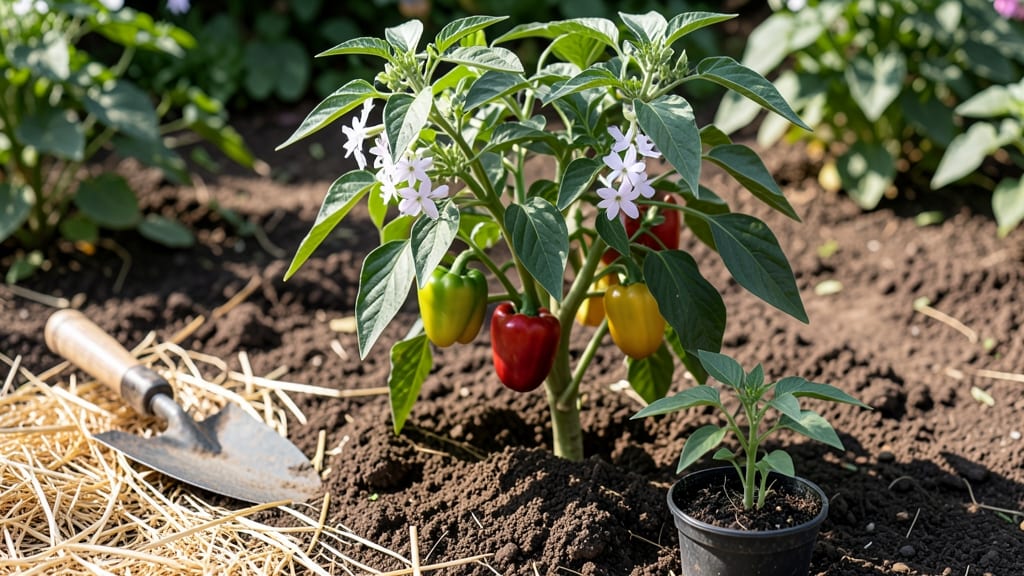
Timing your 🌶️ bell pepper planting in Southern California isn’t just about the calendar—it’s about reading your microclimate like a pro.
Whether you’re in coastal San Diego, inland Riverside, or the desert’s heat, planting too early risks stunted growth from lingering chill, while waiting too long means battling scorching summers that stress young plants.
With USDA zones 9b-10a offering frost-free growing year-round, most gardeners focus on soil temperature—not frost dates. That’s why I’ve cracked the code on the perfect windows: starting seeds indoors in February-March or direct-sowing in April-May when soil hits 60°F+.
But here’s the catch: inland valleys can still dip unexpectedly, while coastal areas play it cooler.
What you’ll discover here are the exact strategies to match your location—from coastal chill to desert heat—plus how to stretch your harvest season with shade tricks and succession planting. No more guessing games, just peak yields from June through October.
Ready to turn your 🌶️ bell pepper dreams into a bountiful reality? Let’s dive into the planting schedule that’s already working for SoCal’s top gardeners—no trial and error needed.
Southern California bell pepper planting calendar by region (coastal vs. inland vs. desert)
Southern California’s climate isn’t one-size-fits-all—coastal areas like San Diego and Santa Barbara enjoy milder temperatures, while inland Los Angeles and desert Palm Springs face extreme heat. Bell peppers thrive in USDA Zones 9b-10a, but timing varies dramatically.
Let’s break down the best planting windows for each microclimate to ensure your peppers grow strong and productive.
For coastal regions, where temperatures stay cooler year-round, start seeds indoors in late January to early February. Transplant seedlings outdoors in March to early April once soil reaches 60°F+. This timing avoids late-winter chill and early-spring fog, which can stunt growth.
Inland areas like Riverside and San Bernardino can plant slightly later—direct sow in late March to April—to escape cooler coastal delays.
Desert zones like Palm Springs and Coachella Valley have the shortest growing season for peppers. Plant seeds indoors in February and transplant by mid-March to beat the summer heat. Heat-sensitive varieties like ‘California Wonder’ may struggle if planted too early, while heat-tolerant types like ‘NuMex Sandia’ can handle late starts.
🌶️ Pro Tip: Use a soil thermometer to confirm readiness—bell pepper roots need 60°F+ soil to thrive. Coastal areas often wait until April, while desert zones may need to transplant by March to avoid scorching.
| Region | Indoor Start (Seeds) | Outdoor Transplant | Direct Sow | Key Varieties |
|---|---|---|---|---|
| Coastal (San Diego, Santa Barbara) | Late Jan - Early Feb | March - Early April | Mid-April | ‘California Wonder’, ‘Aristotle’ |
| Inland (Los Angeles, Riverside) | Early Feb - Mid-Feb | Late March - April | Late March - Early April | ‘Carmen’, ‘Jupiter’ |
| Desert (Palm Springs, Coachella) | February | Mid-March | Not recommended | ‘NuMex Sandia’, ‘Poblano’ |
In coastal areas, where mornings can still dip into the 50s°F, opt for slow-growing varieties like ‘Aristotle’ or ‘Carmen’. These tolerate cooler nights better than fast-maturing types. Inland growers should prioritize heat-tolerant varieties like ‘Jupiter’ or ‘NuMex Sandia’, which handle 90°F+ days without wilting.
For desert regions, focus on short-season varieties that mature in 60-70 days. Plant in shade cloth during peak summer to prevent sunscald. Even in these hot zones, peppers need 6+ hours of sun daily, but afternoon shade helps extend the harvest window.
🌱 Regional Hack: Inland areas can use black plastic mulch to warm soil faster, while coastal gardeners benefit from row covers to protect seedlings from late frosts (yes, they do happen in Santa Barbara!).
Adjust your schedule based on your specific USDA Zone and elevation—higher inland areas (like Big Bear) may need to plant 2 weeks later than valley regions.
Timing isn’t just about the calendar—it’s about soil temperature, day length, and heat tolerance. Use these guidelines as a starting point, but always monitor your local microclimate. For example, Malibu’s coastal fog can delay growth by 2-3 weeks compared to Santa Monica’s sunbaked beaches.
📅 Final Tip: Bookmark your local frost-free date (even if rare) and count backward 8-10 weeks for seed-starting. In Southern California, this usually lands in February, but desert zones may need to rush transplanting by March to avoid summer’s brutal heat.
How to extend your bell pepper growing season in Southern California’s climate
Southern California’s unpredictable microclimates can turn your bell pepper dreams into disasters if you don’t adapt. While most areas enjoy year-round growing potential, coastal fog, inland heatwaves, and desert dryness all demand unique strategies to keep your peppers thriving.
The key? Smart timing and protective tactics that shield delicate plants from extremes.
I’ve grown bell peppers in coastal Santa Barbara and inland Riverside, and the difference in success comes down to these three game-changing techniques: succession planting, heat management, and cold-hardy variety selection.
Let’s break down how to stretch your harvest window from early spring to late fall—or even year-round in mild zones.
For desert regions like Palm Springs, focus on shade and windbreaks—evening breezes can stress plants after scorching days. I’ve seen 50% yield losses in unprotected desert gardens, so prioritize drip irrigation and mulch to retain moisture.
Pro tip: Container growing is your best friend for urban balconies or rental homes. Use 5-gallon pots with well-draining mix and move containers to shaded spots during heatwaves. This flexibility lets you adjust locations based on daily weather—no permanent damage if a Santa Ana wind rolls through.
Remember, Southern California’s "frost-free" label is misleading—inland valleys (like San Bernardino) can dip to 32°F in winter. Always monitor 10-day forecasts and protect young plants with frost blankets if temps threaten below 40°F.